


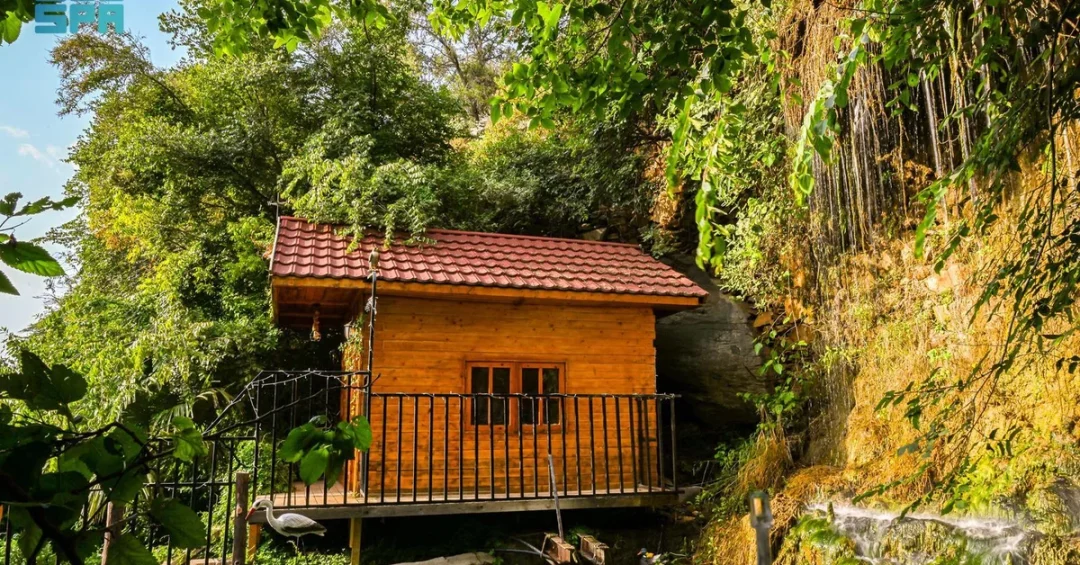
Private farms in Al-Baha are emerging as sought-after tourist destinations, with owners revitalizing agricultural lands to showcase the region’s unique natural beauty and agricultural heritage. This grassroots movement, highlighted by the Saudi Press Agency, reflects a growing trend across the Kingdom where rural estates are transformed into attractions that celebrate local identity and support sustainable tourism.
Context and Background
Al-Baha, located in southwestern Saudi Arabia, is renowned for its fertile lands, moderate climate, and traditional agricultural terraces. In recent years, the region has witnessed a surge in agritourism, driven by private initiatives that align with national efforts to diversify the economy and promote domestic tourism. The revitalization of farms like Al-Hazem in Al-Mandaq Governorate exemplifies this shift, as owners invest in restoring terraces and cultivating native crops.
Revitalization Efforts and Key Details
Othman Al-Zahrani, owner of Al-Hazem farm, began rehabilitating his property in 2022. He restored agricultural terraces and planted seasonal fruits such as pomegranates, citrus varieties, and coffee. To enhance visitor experience, Al-Zahrani added cabins, meeting spaces for rent, a café, and a nature retreat featuring seating areas amid waterfalls and birdlife. These amenities cater to tourists seeking a blend of relaxation and agricultural immersion.
Implications and Impact
The trend is spreading across Al-Baha, with more residents converting their farms into tourist attractions. This not only boosts local income but also preserves cultural heritage and promotes environmental stewardship. By attracting domestic and international visitors, these farms contribute to the region’s economic diversification and reinforce Saudi Arabia’s image as a destination rich in natural and cultural assets.
Vision 2030 Alignment
This initiative strongly aligns with Saudi Vision 2030, which aims to diversify the economy, enhance quality of life, and promote sustainable tourism. It also supports the Saudi Green Initiative by encouraging eco-friendly practices and land restoration. As Al-Baha’s farms bloom into destinations, they symbolize the Kingdom’s commitment to preserving its environment while welcoming the world.
20 Questions
Q1. What is the main trend discussed in the article?
A1. The article highlights how private farms in Al-Baha are being revitalized as tourist destinations, showcasing the region’s agricultural heritage and natural beauty.
Q2. Which farm is specifically mentioned as an example?
A2. Al-Hazem farm in Al-Mandaq Governorate is cited as a prime example of a revitalized farm that has become a tourist attraction.
Q3. Who owns Al-Hazem farm?
A3. Othman Al-Zahrani owns Al-Hazem farm and has been instrumental in its rehabilitation since 2022.
Q4. When did the rehabilitation of Al-Hazem farm begin?
A4. The rehabilitation efforts began in 2022, with the restoration of agricultural terraces and planting of various crops.
Q5. What types of fruits are planted at Al-Hazem farm?
A5. The farm grows pomegranates, citrus varieties, and coffee, which are known for thriving in Al-Baha’s climate.
Q6. What amenities have been added to Al-Hazem farm?
A6. Amenities include cabins, meeting spaces for rent, a café, and a nature retreat with seating areas, waterfalls, and birdlife.
Q7. How does this trend align with Saudi Vision 2030?
A7. It aligns with Vision 2030 by promoting economic diversification, sustainable tourism, and quality of life improvements.
Q8. What is the Saudi Green Initiative?
A8. The Saudi Green Initiative is a national effort to combat climate change, improve environmental quality, and promote sustainable practices.
Q9. Which region in Saudi Arabia is Al-Baha located?
A9. Al-Baha is situated in the southwestern part of Saudi Arabia, known for its fertile lands and moderate climate.
Q10. What are agricultural terraces?
A10. Agricultural terraces are stepped levels of soil built on slopes to conserve water and enable farming in mountainous areas.
Q11. How are these farms contributing to local economy?
A11. They generate income through tourism, create jobs, and support local businesses, thereby boosting the regional economy.
Q12. What is agritourism?
A12. Agritourism combines agriculture and tourism, allowing visitors to experience farming activities and rural life.
Q13. Why is Al-Baha suitable for such farms?
A13. Al-Baha’s moderate climate, fertile soil, and scenic landscapes make it ideal for diverse agriculture and tourism.
Q14. How does the initiative preserve cultural heritage?
A14. By restoring traditional terraces and cultivating native crops, it keeps local agricultural practices and heritage alive.
Q15. What role does the Saudi Press Agency play?
A15. The Saudi Press Agency (SPA) reports on such developments, showcasing the Kingdom’s progress and initiatives to a wide audience.
Q16. Can tourists stay overnight at these farms?
A16. Yes, some farms offer cabins and meeting spaces for rent, providing overnight stay options for visitors.
Q17. What is the significance of waterfalls and birdlife?
A17. They enhance the natural appeal, offering visitors a serene environment and opportunities for nature observation.
Q18. How does this trend impact sustainable development?
A18. It promotes sustainable development by encouraging eco-friendly farming practices and responsible tourism.
Q19. Are there similar initiatives elsewhere in Saudi Arabia?
A19. Yes, similar agritourism initiatives are emerging across the Kingdom, particularly in regions with rich agricultural heritage.
Q20. How can international tourists visit these farms?
A20. International tourists can visit by obtaining a tourist visa and arranging trips through local tour operators or directly contacting the farms.
Reader Feedback
We value your thoughts. Please share your feedback on this article.
Your feedback helps us improve our coverage.