


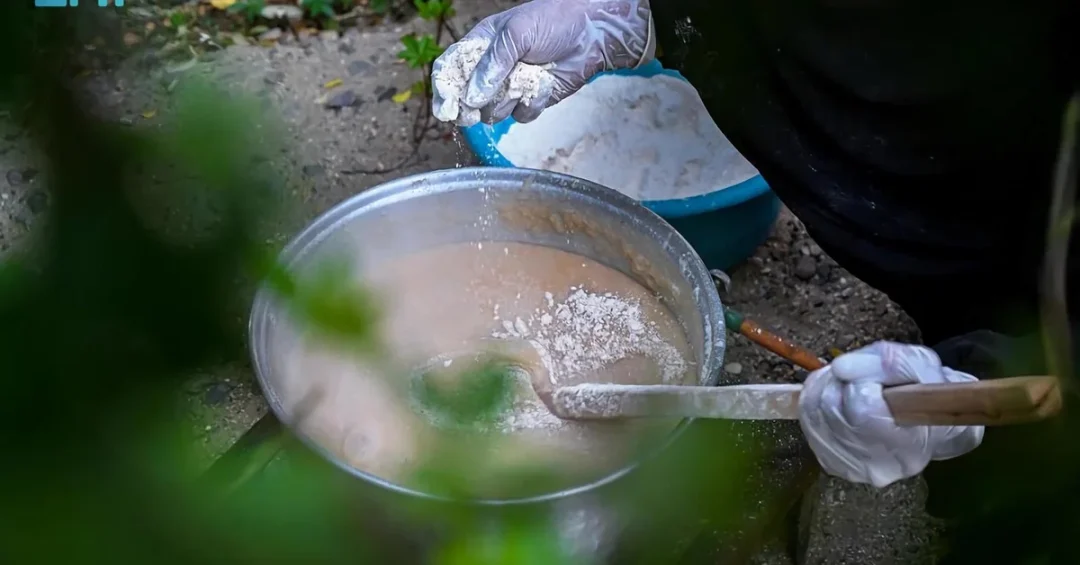
Al-Baha, a region in southwestern Saudi Arabia, is gaining recognition for its unique culinary heritage, drawing visitors eager to experience traditional dishes that reflect generations of culinary tradition. According to the Saudi Press Agency (SPA), the region’s distinctive flavors and healthful recipes have become a major attraction for tourists from across the Kingdom and beyond.
Context and Background
Al-Baha’s cuisine is a testament to the preservation of culinary traditions, with delicious and aromatic flavors resulting from age-old recipes and cooking methods passed down through generations. Despite the availability of modern food options, these traditional dishes remain popular, even among the younger generation, and residents take pride in showcasing them at various gatherings and festivals held in the region.
Key Details
Among the signature dishes are Daghabees (dough disks cooked in meat or chicken broth with a rich blend of aromatic spices), Fattah (layers of small pieces of bread mixed with dates, milk or honey, and ghee), Marqouq (thinly rolled dough disks slowly cooked in a stew of meat and various vegetables and spices like potatoes, zucchini, pumpkin, cumin, and coriander), and Areeka (cooked dough served in a dish decorated with dates and with ghee and honey in the middle). The region’s abundance of seasonal fruits, including apricots, peaches, plums, grapes, figs, bananas, and pears, further enhances Al-Baha’s culinary appeal, making it a must-visit destination for food enthusiasts.
Implications and Impact
The promotion of Al-Baha’s traditional cuisine has significant implications for regional tourism and cultural preservation. By highlighting these dishes, Al-Baha attracts food enthusiasts and cultural explorers, boosting the local economy and creating opportunities for small businesses and artisans. This aligns with Saudi Arabia’s broader efforts to diversify tourism offerings beyond major cities, showcasing the Kingdom’s rich cultural tapestry.
Vision 2030 Alignment
This initiative supports Saudi Vision 2030 by promoting cultural heritage and tourism, key pillars of the plan to diversify the economy and enhance quality of life. By celebrating its culinary traditions, Al-Baha contributes to the Kingdom’s goal of becoming a global destination for cultural and heritage tourism, while preserving Saudi Arabia’s unique identity for future generations.
20 Questions
Q1. What is Al-Baha known for?
A1. Al-Baha is known for its unique culinary heritage, featuring traditional dishes with distinctive flavors and health benefits that attract visitors from near and far.
Q2. What are some traditional dishes of Al-Baha?
A2. Traditional dishes include Daghabees, Fattah, Marqouq, and Areeka, each made with age-old recipes and cooking methods passed down through generations.
Q3. Where is Al-Baha located?
A3. Al-Baha is nestled in the southwest of Saudi Arabia, a region renowned for its mountainous terrain and rich cultural traditions.
Q4. Why are these dishes popular?
A4. They are popular for their delicious and aromatic flavors, health benefits, and the preservation of culinary traditions that resonate with both locals and visitors.
Q5. What is Daghabees?
A5. Daghabees consists of dough disks cooked in meat or chicken broth with a rich blend of aromatic spices, offering a hearty and flavorful experience.
Q6. What is Fattah?
A6. Fattah is layers of small pieces of bread mixed with dates, milk or honey, and ghee, creating a sweet and savory dish often enjoyed during special occasions.
Q7. What is Marqouq?
A7. Marqouq is thinly rolled dough disks slowly cooked in a stew of meat and various vegetables and spices like potatoes, zucchini, pumpkin, cumin, and coriander.
Q8. What is Areeka?
A8. Areeka is cooked dough served in a dish decorated with dates and with ghee and honey in the middle, a sweet and nutritious traditional food.
Q9. Are these dishes still popular among the younger generation?
A9. Yes, despite modern food options, these traditional dishes remain popular among the younger generation, who take pride in their culinary heritage.
Q10. How do Al-Baha residents showcase their dishes?
A10. Residents showcase their dishes at various gatherings and festivals held in the region, sharing their culinary traditions with visitors and fellow Saudis.
Q11. What seasonal fruits are abundant in Al-Baha?
A11. Seasonal fruits include apricots, peaches, plums, grapes, figs, bananas, and pears, which enhance the region’s culinary appeal.
Q12. How does Al-Baha’s cuisine benefit tourism?
A12. The unique cuisine attracts food enthusiasts and cultural explorers, boosting local tourism and contributing to the region’s economy.
Q13. What role does SPA play in promoting Al-Baha?
A13. The Saudi Press Agency (SPA) highlights Al-Baha’s culinary heritage, bringing national and international attention to the region’s attractions.
Q14. How does Al-Baha’s cuisine reflect Saudi culture?
A14. It reflects Saudi culture through the preservation of traditional recipes and cooking methods, showcasing the Kingdom’s rich heritage and hospitality.
Q15. Are there health benefits to these dishes?
A15. Yes, the dishes are known for their health benefits, using natural ingredients like dates, honey, and fresh vegetables, contributing to a balanced diet.
Q16. What makes Al-Baha a must-visit destination?
A16. Its unique culinary heritage, abundance of seasonal fruits, and cultural festivals make Al-Baha a must-visit for food enthusiasts and cultural travelers.
Q17. How does Al-Baha’s cuisine align with Vision 2030?
A17. It supports Vision 2030 by promoting cultural heritage and tourism, key pillars for economic diversification and enhancing quality of life.
Q18. Can visitors participate in culinary experiences in Al-Baha?
A18. Yes, visitors can enjoy traditional dishes at local gatherings and festivals, immersing themselves in the region’s culinary traditions.
Q19. What is the significance of preserving these recipes?
A19. Preserving these recipes ensures the continuity of cultural identity and traditions, allowing future generations to connect with their heritage.
Q20. How can one learn more about Al-Baha’s cuisine?
A20. One can learn more by visiting Al-Baha, attending local festivals, and following official Saudi tourism resources that highlight the region’s culinary offerings.
Reader Feedback
We value your thoughts. Please share your feedback on this article.
Your feedback helps us improve our coverage.