


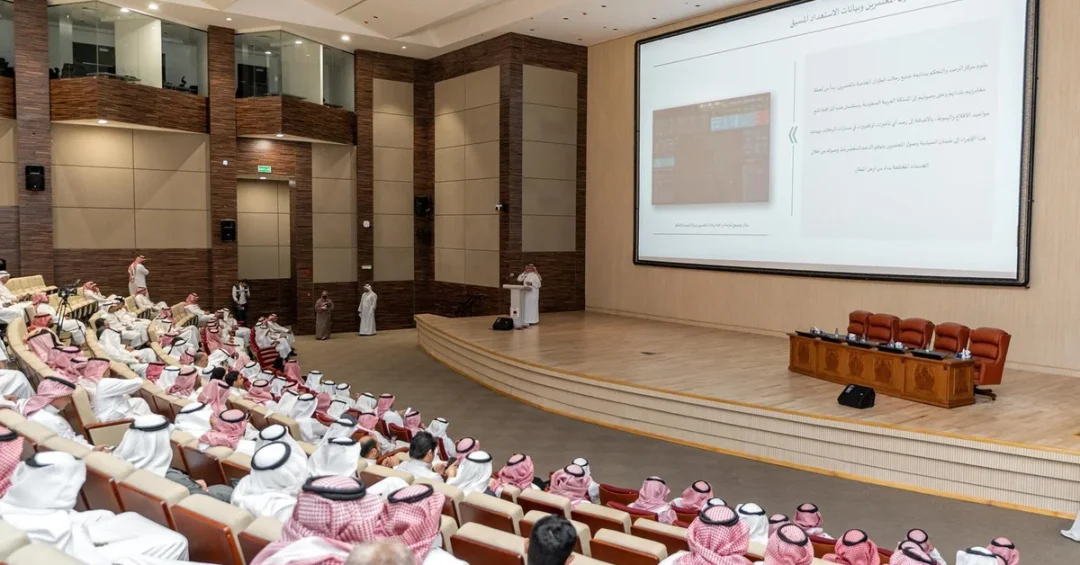
The Ministry of Hajj and Umrah on June 27, 2024, held its first meeting with Umrah companies and institutions to prepare for the upcoming Umrah season 1446 AH. The meeting emphasized the ministry’s commitment to achieving excellence through collaboration with all partners and sectors, with a focus on enhancing the private sector’s services and prioritizing the comfort and safety of visitors and pilgrims to the Two Holy Mosques.
Context and Background
This meeting comes as Saudi Arabia gears up to welcome millions of Muslims for Umrah, a key part of its tourism and religious services sector. The Ministry of Hajj and Umrah, under the guidance of Vice Minister Dr. Abdullfattah bin Sulieman Mushaat, stressed that cooperation between the ministry and Umrah companies is vital to ensure high-quality services for pilgrims worldwide. This initiative is aligned with the Kingdom’s Vision 2030, which aims to enhance the experience of the growing number of pilgrims and elevate the private sector’s role in service delivery.
Key Details
During the meeting, the ministry discussed initiatives to empower more pilgrims and improve their experience through innovative services. Participants explored the development of electronic platforms to streamline processes, including the unified Umrah platform—a comprehensive electronic interface designed to serve all Umrah-related activities and business stakeholders. The meeting also addressed enhancing service quality and the digital experience through compliance with standards via digital monitoring and tracking of pilgrims. Furthermore, it highlighted the facilitation of licensing processes for Umrah services throughout the year, ensuring a seamless and efficient operation for all involved.
Implications and Impact
The preparation will have significant implications for both the private sector and the millions of pilgrims expected to visit the Kingdom in the upcoming season. By strengthening the partnership between the ministry and Umrah companies, the government aims to elevate service quality, ensuring a safe and fulfilling spiritual journey. This collaboration is poised to foster economic growth in the tourism and private sectors, reinforcing Saudi Arabia’s standing as a leading destination for Islamic pilgrims and enhancing the global appeal of the Two Holy Mosques.
Vision 2030 Alignment
The meeting aligns directly with Saudi Arabia’s Vision 2030, which seeks to increase the number of pilgrims and optimize their spiritual experience. By empowering the private sector and leveraging digital transformation, the Ministry of Hajj and Umrah is implementing the Vision’s goals to provide exceptional services and promote year-round Umrah. The continuous communication between the ministry and stakeholders will contribute to a distinguished and well-prepared season, reflecting the Kingdom’s long-term commitment to religious, cultural, and economic excellence.
20 Questions
Q1. What was the purpose of the meeting held by the Ministry of Hajj and Umrah?
A1. The meeting was held to prepare for the upcoming Umrah season 1446 AH, strengthening the partnership with Umrah companies and institutions to ensure high-quality services and the safety and comfort of pilgrims.
Q2. Who represented the Ministry of Hajj and Umrah at the meeting?
A2. Dr. Abdullatif bin Sulieman Mushaat, Vice Minister of Hajj and Umrah, represented the ministry and led the discussions with companies and stakeholders.
Q3. What are the main priorities discussed at the meeting?
A3. The main priorities included enhancing private sector services, improving digital platforms, facilitating licensing, and ensuring high safety and comfort standards for pilgrims.
Q4. How does the ministry plan to improve the digital experience for pilgrims?
A4. The ministry plans to develop electronic platforms, including the unified Umrah platform, to provide a seamless digital experience covering bookings, monitoring, and compliance.
Q5. What is the unified Umrah platform?
A5. The unified Umrah platform is an electronic interface that integrates all Umrah-related activities, businesses, and stakeholders, ensuring reliability for individuals and institutions serving pilgrims.
Q6. How does this meeting align with Saudi Vision 2030?
A6. It aligns by aiming to increase pilgrim numbers, improve their experience, and promote the private sector’s role in the tourism industry, all key pillars of Vision 2030.
Q7. What specific initiatives were discussed to improve service quality?
A7. Initiatives included digital monitoring of pilgrims to ensure compliance with standards and enhance service quality, as well as streamlining licensing processes for year-round services.
Q8. Why are the comfort and safety of pilgrims a top priority?
A8. The Two Holy Mosques are of utmost importance to the Kingdom, and providing a safe and comfortable experience is essential to uphold the spiritual well-being of the guests.
Q9. How will the private sector benefit from this meeting?
A9. The private sector will gain from a stronger partnership, with access to digital infrastructure and a clearer roadmap for service delivery, fostering growth and innovation.
Q10. What does the ministry expect from Umrah companies and institutions?
A10. The ministry expects these entities to adopt digital technologies, maintain high service standards, and ensure compliance with regulations to enhance the overall pilgrimage experience.
Q11. How will the ministry monitor service standards?
A11. Through digital monitoring and tracking systems, the ministry will oversee compliance, verify service quality, and provide real-time assistance to ensure a smooth experience.
Q12. What is the significance of the 1446 AH Umrah season?
A12. The 1446 AH season marks a new year in the Islamic calendar, expected to welcome an even larger number of pilgrims, and this preparatory meeting aims to ensure readiness.
Q13. How does the ministry empower more pilgrims?
A13. By facilitating licensing, developing digital platforms, and expanding services, the ministry makes it easier for more pilgrims to perform Umrah and enjoy a more convenient journey.
Q14. What role does digital monitoring of pilgrims play?
A14. Digital monitoring ensures the safety and compliance of pilgrims by tracking their movements, managing facilities, and providing timely assistance throughout their stay.
Q15. How will the meeting lead to better communication with companies?
A15. The meeting concluded with an emphasis on continuous communication, ensuring that all stakeholders are aligned and can address challenges collaboratively.
Q16. What is the direct benefit of this meeting for pilgrims?
A16. Pilgrims will benefit from improved services, streamlined processes, and a more comfortable and safe journey, resulting in an enhanced spiritual experience.
Q17. How does this meeting support the growth of the private sector?
A17. By including the private sector in strategic discussions and improving business processes, the meeting offers growth opportunities and encourages investment in the tourism sector.
Q18. What is the long-term vision for Umrah services?
A18. The long-term vision is to create an integrated, year-round service ecosystem with digital innovation, making Umrah accessible to a growing number of pilgrims.
Q19. How does the meeting respect Islamic values and traditions?
A19. All measures are designed to preserve the sanctity and spirituality of the rituals, ensuring that services are delivered with respect and that pilgrims’ needs are respected.
Q20. What is the expected start date for the Umrah season 1446 AH?
A20. The specific start date is not announced, but the preparation will ensure that the services are ready for the beginning of the new Hijri year, which will be determined by the lunar calendar.
Reader Feedback
We value your thoughts. Please share your feedback on this article.
Your feedback helps us improve our coverage.