


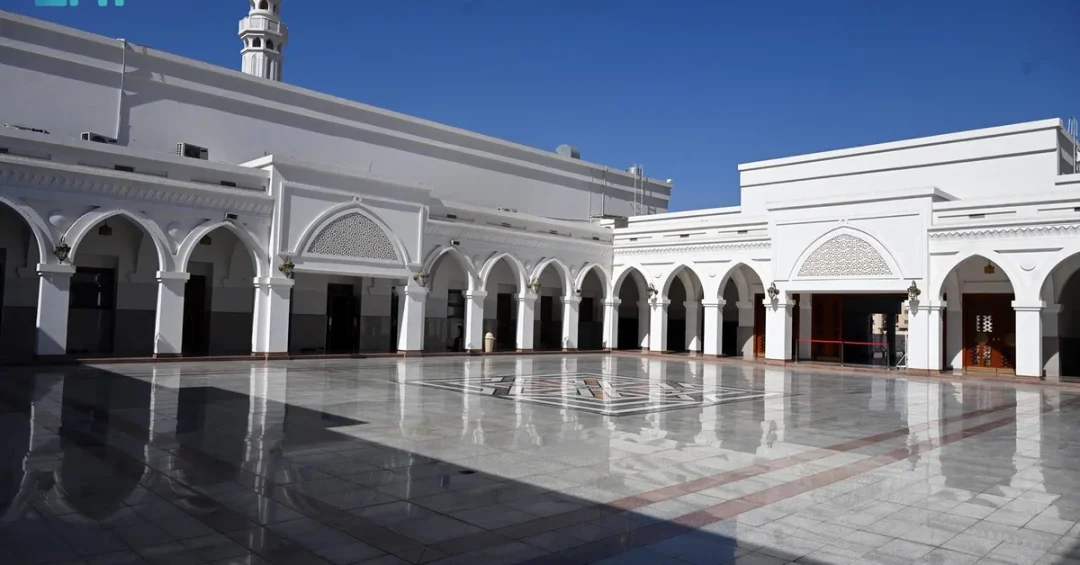
Madinah, June 27, 2024 — Pilgrims and visitors in Madinah are increasingly including the city’s historical mosques and archaeological sites in their itineraries, according to the Saudi Press Agency (SPA). These sites, closely associated with the life of Prophet Muhammad, have become essential stops for those arriving in Madinah before or after Hajj. The areas around Quba Mosque, the Seven Mosques, Uhud Martyrs Square, and Al-Fath Mosque are bustling with hundreds of visitors of various nationalities, eager to explore the rich Islamic heritage preserved by the Kingdom of Saudi Arabia.
Context and Background
Madinah, the second holiest city in Islam, holds profound significance for Muslims worldwide. It is home to the Prophet’s Mosque, where Prophet Muhammad is buried, and numerous other sites linked to early Islamic history. The Saudi government has long recognized the importance of preserving these landmarks, ensuring they remain accessible and well-maintained for the millions of pilgrims who visit annually. The recent influx of visitors to these historical sites reflects a growing trend among pilgrims to extend their spiritual journey beyond the obligatory rituals of Hajj, seeking a deeper connection with the Prophet’s legacy.
The Saudi Press Agency reported that these visits have become a significant part of the pilgrimage experience, with many travelers dedicating time to explore the mosques and battlefields that played pivotal roles in Islamic history. The Kingdom’s efforts to facilitate these visits are part of a broader strategy to enhance the spiritual and cultural experience of pilgrims, aligning with the goals of Saudi Vision 2030 to enrich the Hajj and Umrah journey.
Key Details
According to SPA, visitors arrive at these sites systematically from the early morning, transported by prepared buses. The squares surrounding Quba Mosque, the Seven Mosques, Uhud Martyrs Square, and Al-Fath Mosque transform into meeting points where pilgrims of different nationalities gather to witness the magnificent traces dating back to the time of Prophet Muhammad. These landmarks are meticulously cared for and preserved by the Kingdom’s government, ensuring that they remain intact for future generations.
Personnel from the security, health, and field-service sectors are always present to organize the entry and exit of buses, guide pilgrims, and provide information about these sites in various languages. They also ensure the cleanliness of the surrounding squares and facilitate pedestrian movement by prohibiting sitting or resting in the pathways. This comprehensive support system reflects the Kingdom’s commitment to providing a seamless and enriching experience for all visitors.
Quba Mosque, the first mosque built in Islam, holds special significance as the place where Prophet Muhammad and his companions first prayed after migrating to Madinah. The Seven Mosques, also known as the “Mosques of the Battle of the Trench,” commemorate the historic battle where the Muslims defended Madinah against a confederate army. Uhud Martyrs Square is the resting place of many companions who fell in the Battle of Uhud, including the Prophet’s uncle, Hamza ibn Abdul-Muttalib. Al-Fath Mosque, also part of the Trench complex, is another key site that attracts pilgrims seeking to connect with Islamic history.
Implications and Impact
The surge in visits to these historical sites has significant implications for Madinah’s local economy and the broader Saudi tourism sector. It demonstrates the effectiveness of the Kingdom’s efforts to diversify the pilgrimage experience, encouraging longer stays and greater spending in the region. Moreover, it showcases Saudi Arabia’s capability to manage large crowds efficiently while preserving the sanctity and historical integrity of these sites.
Internationally, the accessibility and preservation of these landmarks reinforce Saudi Arabia’s role as the custodian of Islam’s holiest sites. The positive experiences of pilgrims from around the world contribute to the Kingdom’s soft power and promote a message of peace and unity. As part of Vision 2030, the Kingdom aims to increase the number of Umrah and Hajj pilgrims to 30 million by 2030, and the enhancement of historical and religious tourism is a key pillar in achieving this goal.
Vision 2030 Alignment
The development and promotion of historical mosques and archaeological sites in Madinah are directly aligned with Saudi Vision 2030, which seeks to enrich the pilgrimage experience and diversify the economy. By investing in infrastructure, services, and preservation efforts, the Kingdom ensures that these sacred sites remain accessible and meaningful for generations to come. This initiative not only supports the religious and cultural aspirations of Muslims worldwide but also contributes to the Kingdom’s broader goals of economic growth and international engagement. As Saudi Arabia continues to welcome millions of pilgrims, its commitment to preserving Islamic heritage and providing world-class services remains unwavering.
20 Questions
Q1. What are the key historical sites in Madinah that pilgrims are visiting?
A1. Pilgrims are visiting Quba Mosque, the Seven Mosques, Uhud Martyrs Square, Al-Fath Mosque, and other religious and historical landmarks associated with Prophet Muhammad’s biography.
Q2. Why are these sites important to pilgrims?
A2. These sites hold deep historical and spiritual significance, offering pilgrims a chance to connect with early Islamic history and the life of Prophet Muhammad.
Q3. How do visitors travel to these sites?
A3. Visitors arrive via prepared buses that transport them systematically from the early morning, according to the Saudi Press Agency.
Q4. Who organizes the visits to these historical sites?
A4. Personnel from security, health, and field-service sectors are present to organize entry and exit, guide pilgrims, and provide information in various languages.
Q5. What is Quba Mosque known for?
A5. Quba Mosque is the first mosque built in Islam, where Prophet Muhammad and his companions prayed after migrating to Madinah.
Q6. What are the Seven Mosques?
A6. The Seven Mosques, also known as the Mosques of the Battle of the Trench, commemorate the historic battle where Muslims defended Madinah.
Q7. What is the significance of Uhud Martyrs Square?
A7. Uhud Martyrs Square is the burial site of many companions who fell in the Battle of Uhud, including Hamza ibn Abdul-Muttalib, the Prophet’s uncle.
Q8. How does the Saudi government preserve these sites?
A8. The government meticulously cares for and preserves these landmarks, ensuring they remain intact and accessible for future generations.
Q9. Are these visits part of the Hajj ritual?
A9. While not obligatory, visiting historical sites has become a significant part of the spiritual journey for many pilgrims before or after Hajj.
Q10. What languages are used to provide information to pilgrims?
A10. Information is provided in various languages to cater to the diverse nationalities of pilgrims visiting these sites.
Q11. How does Saudi Arabia ensure cleanliness at these sites?
A11. Field-service personnel ensure the cleanliness of the surrounding squares and facilitate pedestrian movement by prohibiting sitting or resting in pathways.
Q12. What is Al-Fath Mosque?
A12. Al-Fath Mosque is part of the Trench complex and is another key site that attracts pilgrims seeking to connect with Islamic history.
Q13. How many pilgrims visit these sites daily?
A13. Hundreds of visitors of different nationalities gather at these sites daily, especially during the Hajj season.
Q14. What role does the Saudi Press Agency play in reporting these visits?
A14. The Saudi Press Agency (SPA) observes and reports on the scenes at these landmarks, highlighting the organized efforts and the significance of these visits.
Q15. How do these visits align with Saudi Vision 2030?
A15. They align with Vision 2030 by enriching the pilgrimage experience, diversifying the economy, and showcasing Saudi Arabia’s role as custodian of Islamic heritage.
Q16. What economic impact do these visits have on Madinah?
A16. They boost the local economy by encouraging longer stays and greater spending, contributing to the growth of the tourism sector in the region.
Q17. Are there any restrictions for visitors at these sites?
A17. Visitors are guided to maintain cleanliness and avoid sitting or resting in pathways to ensure smooth pedestrian movement and respect for the sites.
Q18. How does Saudi Arabia manage large crowds at these sites?
A18. Through coordinated efforts by security, health, and field-service personnel, who organize bus arrivals and departures and guide pilgrims efficiently.
Q19. What is the significance of these sites for non-Saudi visitors?
A19. They offer international visitors a deeper understanding of Islamic history and the opportunity to experience the heritage preserved by Saudi Arabia.
Q20. How can pilgrims learn more about these historical sites?
A20. Pilgrims can obtain information from on-site guides and personnel, who provide details in multiple languages about the history and significance of each site.
Reader Feedback
We value your thoughts. Please share your feedback on this article.
Your feedback helps us improve our coverage.