


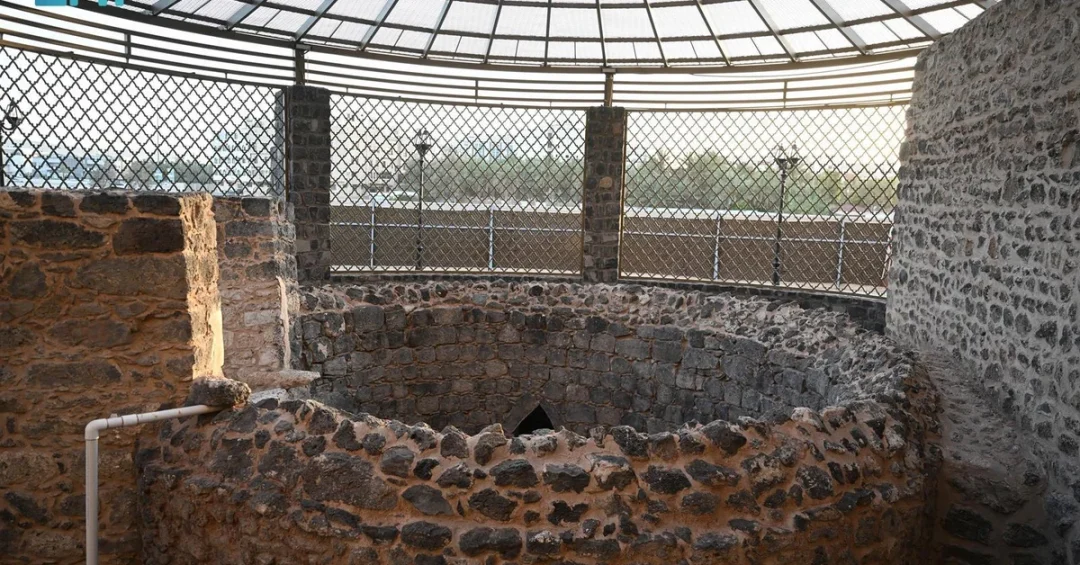
The recently renovated al-Ghars Well in Madinah has become a captivating destination for visitors, offering a profound connection to the life of Prophet Muhammad (peace be upon him). Located just 1,500 meters south of the Prophet’s Mosque in the Al-awali district, the well stands as a testament to the Kingdom’s dedication to preserving its rich Islamic heritage.
Context and Background
Madinah, the second holiest city in Islam, attracts millions of pilgrims and tourists annually. Many seek to explore historical sites linked to the Prophet’s life, deepening their spiritual journey. The Saudi government, through the Ministry of Culture and the General Authority for Tourism and National Heritage, has launched extensive programs to restore and maintain these landmarks, ensuring they remain accessible and authentic for future generations.
Al-Ghars Well is among the notable sites that have undergone renovation as part of this initiative. The project aligns with the Kingdom’s broader efforts to enhance the experience of visitors and to showcase the Islamic heritage of the region. The well is named after the Ghars trees that once surrounded it, and it holds significance as a place where the Prophet Muhammad (peace be upon him) drank and performed ablution.
Renovation and Visitor Experience
The renovation of al-Ghars Well included the restoration of the well’s structure, the installation of designated water points for drinking, and the development of the surrounding area to accommodate visitors comfortably. Pilgrims can now enjoy the natural surroundings, drink from the well, and capture memorable photos. The site is well-maintained, with clean facilities and informative signage that provides historical context.
Visitors have expressed appreciation for the efforts undertaken to preserve this landmark. Many describe the experience as spiritually uplifting and educational, allowing them to connect with the Prophet’s history in a tangible way. The site is easily accessible from the Prophet’s Mosque, making it a convenient stop for those exploring Madinah’s historical treasures.
Preservation of Historical Sites
The renovation of al-Ghars Well is part of a larger program to preserve and enhance various historical mosques, sites, and landmarks in Madinah. This initiative reflects the Kingdom’s commitment to safeguarding Islamic heritage and promoting cultural tourism. Similar projects have been carried out at other significant sites, such as the Quba Mosque, the Qiblatain Mosque, and the Uhud battlefield, ensuring that they are preserved for future generations.
These efforts are in line with Saudi Vision 2030, which aims to diversify the economy and increase tourism’s contribution to GDP. By investing in heritage sites, the Kingdom seeks to attract more visitors and provide them with enriching experiences that highlight the nation’s historical and religious importance.
Vision 2030 Alignment
The preservation of al-Ghars Well and other historical sites underscores Saudi Arabia’s dedication to cultural sustainability and tourism development under Vision 2030. By maintaining these landmarks, the Kingdom not only honors its Islamic heritage but also offers visitors a chance to engage with history in a meaningful way. As the tourism sector grows, such sites will play a vital role in positioning Saudi Arabia as a leading destination for cultural and religious tourism, contributing to the nation’s economic diversification and global engagement.
20 Questions
Q1. What is al-Ghars Well and where is it located?
A1. Al-Ghars Well is a historical well located 1,500 meters south of the Prophet’s Mosque in the Al-awali district of Madinah. It is associated with the life of Prophet Muhammad (peace be upon him) and has been renovated as part of heritage preservation efforts.
Q2. Why is al-Ghars Well significant in Islamic history?
A2. Al-Ghars Well is significant because Prophet Muhammad (peace be upon him) drank from it and performed ablution there. It is named after the Ghars trees that once surrounded it, making it a site of spiritual and historical importance for Muslims.
Q3. What renovations were made to al-Ghars Well?
A3. The renovations included restoring the well’s structure, installing designated water points for drinking, and developing the surrounding area to accommodate visitors. The project aimed to preserve the site’s authenticity while enhancing the visitor experience.
Q4. How does the renovation of al-Ghars Well align with Saudi Vision 2030?
A4. The renovation aligns with Vision 2030 by promoting cultural tourism and preserving Islamic heritage. It supports economic diversification by attracting more visitors to Madinah, thereby increasing tourism’s contribution to the national economy.
Q5. What can visitors do at al-Ghars Well?
A5. Visitors can explore the historical site, drink water from the designated points, enjoy the natural surroundings, and take memorable photos. The site offers a spiritual and educational experience, connecting them to the Prophet’s history.
Q6. Who is responsible for the preservation of historical sites in Madinah?
A6. The Saudi government, through the Ministry of Culture and the General Authority for Tourism and National Heritage, oversees the preservation of historical sites in Madinah. These efforts are part of a broader program to maintain Islamic landmarks.
Q7. What other historical sites in Madinah have been renovated?
A7. Other renovated sites include the Quba Mosque, the Qiblatain Mosque, and the Uhud battlefield. These projects reflect the Kingdom’s commitment to preserving its Islamic heritage and enhancing the pilgrimage experience.
Q8. How accessible is al-Ghars Well from the Prophet’s Mosque?
A8. Al-Ghars Well is located just 1,500 meters south of the Prophet’s Mosque, making it easily accessible by foot or vehicle. Its proximity allows visitors to include it in their itinerary while exploring Madinah’s historical sites.
Q9. What is the historical background of al-Ghars Well?
A9. Al-Ghars Well dates back to the time of Prophet Muhammad (peace be upon him). It is named after the Ghars trees that grew around it. The well is mentioned in historical accounts and holds significance as a place where the Prophet drank and performed ablution.
Q10. How does the renovation of al-Ghars Well benefit the local community?
A10. The renovation benefits the local community by increasing tourist footfall, which supports local businesses and creates job opportunities. It also fosters a sense of pride in the region’s heritage and promotes cultural exchange.
Q11. What measures are in place to ensure the well’s water is safe for drinking?
A11. The designated water points at al-Ghars Well are maintained to ensure cleanliness and safety. The water is regularly tested and monitored to meet health standards, allowing visitors to drink safely.
Q12. Are there guided tours available at al-Ghars Well?
A12. Yes, guided tours are available, providing visitors with detailed historical and spiritual context about the well and its significance. These tours enhance the educational experience and are conducted by knowledgeable guides.
Q13. What feedback have visitors given about the renovated al-Ghars Well?
A13. Visitors have praised the renovation efforts, describing the site as well-maintained and spiritually uplifting. Many appreciate the opportunity to connect with Islamic history and enjoy the peaceful natural surroundings.
Q14. How does the preservation of al-Ghars Well contribute to Saudi Arabia’s tourism goals?
A14. The preservation contributes to Saudi Arabia’s tourism goals by diversifying attractions beyond religious pilgrimage. It enriches the cultural tourism offering, attracting visitors interested in Islamic history and heritage, thus boosting the tourism sector.
Q15. What role does the Saudi Press Agency play in reporting on such sites?
A15. The Saudi Press Agency (SPA) reports on heritage sites like al-Ghars Well to inform the public about preservation efforts and promote tourism. It serves as an official source of news, highlighting the Kingdom’s cultural initiatives.
Q16. How does the renovation of al-Ghars Well reflect Saudi Arabia’s commitment to Islamic heritage?
A16. The renovation reflects the Kingdom’s commitment to Islamic heritage by investing in the restoration of significant sites. It demonstrates a dedication to preserving the legacy of Prophet Muhammad (peace be upon him) for future generations.
Q17. What are the opening hours for visiting al-Ghars Well?
A17. Al-Ghars Well is open to visitors throughout the day, with no specific closing hours. However, it is recommended to visit during daylight hours to fully appreciate the site and its surroundings.
Q18. Is there an entrance fee to visit al-Ghars Well?
A18. No, there is no entrance fee to visit al-Ghars Well. It is freely accessible to all visitors, ensuring that everyone can benefit from the spiritual and historical experience without financial barriers.
Q19. How does the preservation of al-Ghars Well support Saudi Arabia’s cultural diplomacy?
A19. The preservation supports cultural diplomacy by showcasing Saudi Arabia’s rich Islamic heritage to the world. It fosters intercultural dialogue and strengthens the Kingdom’s image as a guardian of Islamic history.
Q20. What future developments are planned for al-Ghars Well and other heritage sites?
A20. Future developments include continued maintenance and enhancements to visitor facilities. The Kingdom plans to further integrate heritage sites into the tourism ecosystem, ensuring they remain accessible and engaging for all visitors.
Reader Feedback
We value your thoughts. Please share your feedback on this article.
Your feedback helps us improve our coverage.