


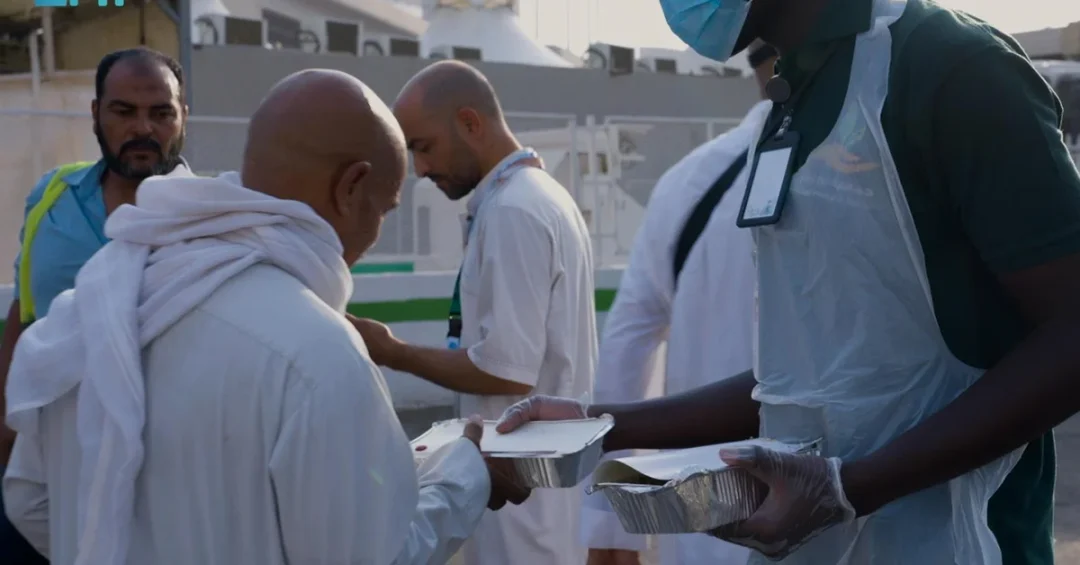
The Ekram Association for Food Preservation in Makkah has successfully preserved more than 800 kilograms of surplus food during the Hajj season 1445 AH, according to an official announcement released via the Saudi Press Agency (SPA). The association confirmed that the total weight of surplus food collected reached 828,930 kilograms, with an estimated value of SAR 19,625,323. The initiative, carried out in coordination with public and private sector partners, targeted high-waste areas across Makkah and ensured that edible surplus was redirected to those in need rather than being discarded.
Context and Background
Food waste during large-scale religious gatherings presents a significant logistical and humanitarian challenge. Each year, millions of pilgrims gather in Makkah for Hajj, generating substantial quantities of surplus food from hotels, catering operations, and pilgrim facilities. The Ekram Association for Food Preservation, a specialized Saudi charitable organization, was established to address this challenge by collecting, preserving, and redistributing surplus food in a safe and dignified manner.
The association operates under the broader framework of Saudi Arabia’s national efforts to promote food sustainability and social solidarity. Its work reflects a growing emphasis on responsible resource management, particularly during the Hajj season when the scale of food preparation and consumption reaches its peak. By coordinating with catering institutions, pilgrim accommodation facilities, and hotels in Makkah’s central area, the association has developed a systematic approach to identifying and rescuing surplus food before it goes to waste.
Key Details of the 1445 AH Hajj Season Initiative
Ahmed Al-Matrafi, Director of the Ekram Association for Food Preservation, highlighted the association’s strategic agreements with both public and private sector entities. These agreements were designed to target areas with high levels of food waste and loss, particularly around the Grand Mosque and the surrounding hospitality zone. The surplus food collected included a diverse range of items: hot meals, fresh fruits and vegetables, frozen food, beverages, baked goods, sweets, and meat.
Al-Matrafi emphasized that the collected food was distributed to beneficiaries within Makkah, ensuring that the nutritional needs of vulnerable residents and pilgrims were met. He noted that the association’s efforts are part of ongoing initiatives to reduce food waste, promote food sustainability, and foster social solidarity across the Kingdom. The operation required careful logistics, including cold-chain management for perishable items, quality checks to ensure food safety, and coordinated distribution networks to reach those in need efficiently.
Implications and Impact
The successful preservation of over 800 kilograms of surplus food during Hajj season 1445 AH carries multiple implications. From a humanitarian perspective, it directly supports food security for disadvantaged groups in Makkah, reducing reliance on purchased food and alleviating pressure on local charities. From an environmental standpoint, preventing food waste reduces the volume of organic material sent to landfills, thereby lowering methane emissions and contributing to broader sustainability goals.
The initiative also strengthens the culture of giving and volunteerism that is central to Saudi society. By engaging public and private stakeholders, the Ekram Association demonstrates how cross-sector collaboration can address complex social challenges. The model could be replicated in other cities and during other large gatherings, such as Umrah seasons or national events, further amplifying its positive impact.
Internationally, the initiative enhances Saudi Arabia’s reputation as a responsible global citizen committed to the United Nations Sustainable Development Goals, particularly Goal 2 (Zero Hunger) and Goal 12 (Responsible Consumption and Production). It showcases the Kingdom’s ability to manage large-scale religious tourism while simultaneously addressing social welfare and environmental stewardship.
Vision 2030 Alignment
Al-Matrafi called for continued cooperation and contribution from all members of society and stakeholders to achieve these goals, explicitly linking the association’s work to the Kingdom’s Vision 2030. Vision 2030 prioritizes sustainable development, social cohesion, and economic diversification. By reducing food waste and promoting food sustainability, the Ekram Association directly supports the Vision’s objectives of enhancing quality of life, fostering social responsibility, and building a more resilient and inclusive society.
As Saudi Arabia continues to welcome millions of pilgrims annually, initiatives like this will play an increasingly vital role in ensuring that the spiritual journey of Hajj is complemented by tangible humanitarian and environmental benefits. The Ekram Association’s achievements during Hajj season 1445 AH serve as a model for how faith-based gatherings can be leveraged to create lasting positive change, aligning with the Kingdom’s broader aspirations for a prosperous and sustainable future.
20 Questions
Q1. What is the Ekram Association for Food Preservation?
A1. The Ekram Association for Food Preservation is a Saudi charitable organization based in Makkah dedicated to collecting, preserving, and redistributing surplus food to those in need, while promoting food sustainability and social solidarity across the Kingdom.
Q2. How much surplus food was preserved during Hajj season 1445 AH?
A2. The association successfully preserved 828,930 kilograms of surplus food during the Hajj season 1445 AH, exceeding 800 kilograms as initially highlighted, with an estimated total value of SAR 19,625,323.
Q3. What types of food were collected and redistributed?
A3. The surplus food included hot meals, fresh fruits and vegetables, frozen food, beverages, baked goods, sweets, and meat, all of which were distributed to beneficiaries within Makkah after quality and safety checks.
Q4. Who is the director of the Ekram Association?
A4. Ahmed Al-Matrafi serves as the Director of the Ekram Association for Food Preservation. He has been instrumental in highlighting the association’s agreements with public and private sectors to target high food waste areas.
Q5. How does the association identify areas with high food waste?
A5. The association partners with catering institutions, pilgrims’ facilities, and hotels in Makkah’s central area to pinpoint locations where surplus food is generated in large quantities, allowing for efficient collection and redistribution.
Q6. Where was the surplus food distributed?
A6. The collected surplus food was distributed to those in need within Makkah, ensuring that vulnerable residents and pilgrims received nutritious meals while reducing waste and supporting local food security.
Q7. What is the significance of this initiative for Saudi Arabia?
A7. The initiative demonstrates Saudi Arabia’s commitment to food sustainability, social solidarity, and the principles of Vision 2030 by addressing food waste during Hajj and redirecting resources to benefit society and the environment.
Q8. How does the initiative align with Vision 2030?
A8. It supports Vision 2030 goals of enhancing quality of life, promoting sustainable development, and fostering social responsibility. It also contributes to environmental sustainability by reducing organic waste and methane emissions.
Q9. What role do public and private sectors play in this effort?
A9. Public and private sector entities collaborate through agreements with the association, providing access to surplus food from hotels, catering operations, and pilgrim facilities, thereby enabling large-scale collection and distribution.
Q10. What was the estimated value of the preserved food?
A10. The total estimated value of the preserved surplus food reached SAR 19,625,323, reflecting the substantial economic value of the resources saved and redirected to charitable purposes during the Hajj season.
Q11. How does food preservation during Hajj benefit the environment?
A11. By preventing food from being discarded, the initiative reduces the volume of organic waste sent to landfills, which in turn lowers methane emissions and contributes to broader environmental sustainability and responsible consumption practices.
Q12. What items were included in the 828,930 kilograms of surplus food?
A12. The surplus food comprised a diverse range of items, including hot meals, fruits, vegetables, frozen food, beverages, baked goods, sweets, and meat, all of which were safely collected and redistributed to beneficiaries.
Q13. What agreements did the Ekram Association establish?
A13. The association established agreements with public and private sector entities, including partnerships with catering institutions, pilgrims’ facilities, and hotels in Makkah’s central area, to target areas with high food waste and loss.
Q14. When did the Hajj season 1445 AH take place?
A14. The Hajj season 1445 AH took place in June 2024, corresponding to the Islamic calendar year 1445. The Ekram Association’s successful food preservation efforts were announced in July 2024.
Q15. How does this initiative foster social solidarity?
A15. By redistributing surplus food to those in need, the initiative strengthens community bonds, encourages volunteerism, and embodies the spirit of giving that is central to Saudi society, particularly during the sacred Hajj season.
Q16. Can this model be replicated in other cities or events?
A16. Yes, the Ekram Association’s model of cross-sector collaboration and systematic food rescue can be adapted to other cities and large gatherings, such as Umrah seasons or national events, to amplify its positive social and environmental impact.
Q17. What call to action did Ahmed Al-Matrafi make?
A17. Al-Matrafi called for cooperation and contribution from all members of society and stakeholders to achieve the association’s goals, emphasizing the importance of collective effort in reducing food waste and supporting Vision 2030.
Q18. How does the initiative support the UN Sustainable Development Goals?
A18. The initiative aligns with UN SDG 2 (Zero Hunger) and SDG 12 (Responsible Consumption and Production) by reducing food waste, enhancing food security, and promoting sustainable practices during one of the world’s largest religious gatherings.
Q19. What is the total weight of surplus food preserved in kilograms?
A19. The total weight of surplus food preserved during Hajj season 1445 AH was 828,930 kilograms, which is over 800 kilograms, as reported by the Saudi Press Agency and the Ekram Association.
Q20. How does this initiative reflect Saudi Arabia’s leadership in humanitarian work?
A20. It showcases Saudi Arabia’s proactive approach to addressing social and environmental challenges, reinforcing its role as a global leader in humanitarian efforts and sustainable development, consistent with Vision 2030 and Islamic values.
Reader Feedback
We value your thoughts. Please share your feedback on this article.
Your feedback helps us improve our coverage.