


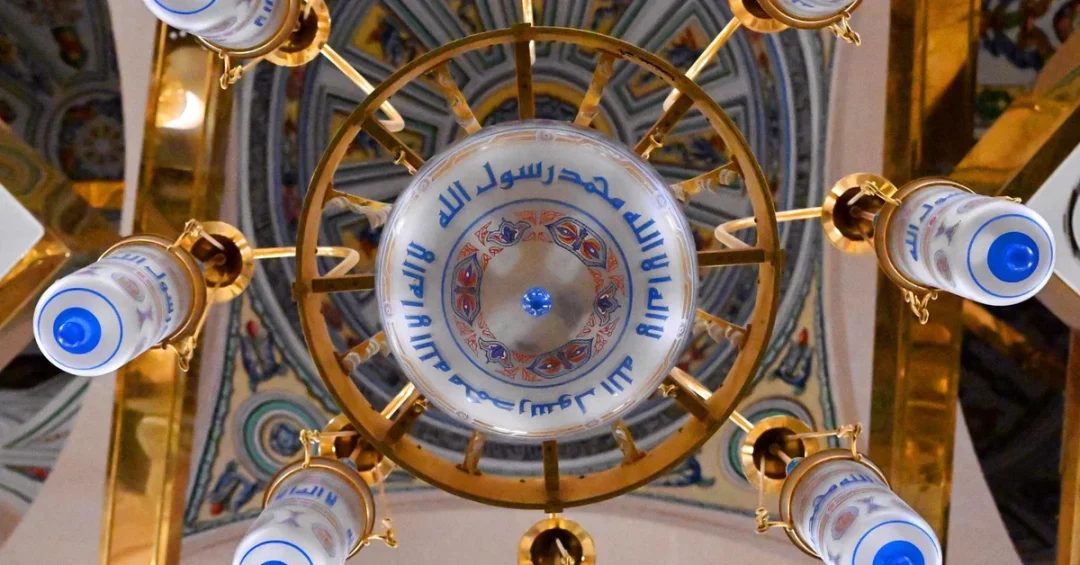
The lighting system of the Prophet’s Mosque in Madinah stands as a masterpiece of Islamic architectural art, with more than 138,000 lighting units illuminating the sacred site and enhancing its spiritual ambiance, according to the Saudi Press Agency (SPA). The intricate design, featuring chandeliers, lanterns, and light units inscribed with the name of Allah and Arabic calligraphy, reflects a unique blend of beauty and devotion that forms an integral part of the mosque’s identity.
Context and Background
The Prophet’s Mosque, one of Islam’s holiest sites, has been a focal point of architectural innovation for centuries. Under the guidance of the Custodian of the Two Holy Mosques, King Salman bin Abdulaziz Al Saud, the Kingdom of Saudi Arabia has undertaken extensive efforts to preserve and enhance the mosque’s spiritual and aesthetic appeal. The General Authority for the Care of the Prophet’s Mosque oversees these initiatives, ensuring that the lighting system adheres to globally approved specifications. This commitment aligns with Saudi Arabia’s broader mission to serve pilgrims and visitors, providing them with an environment conducive to worship and reflection. The lighting, therefore, is not merely functional but a manifestation of Islamic art and heritage, symbolizing the Kingdom’s dedication to maintaining the sanctity and splendor of its holy sites.
Key Details
The mosque’s lighting repertoire includes over 30 types of lighting units, totaling more than 138,000 individual pieces. Among the most striking are 300 chandeliers of various sizes and over 10,000 units bearing the name of Allah, strategically placed in the upper corners of architectural arches and corridors. These elements are designed to create a harmonious visual experience, with each unit contributing to a cohesive aesthetic that highlights the mosque’s architectural grandeur. The SPA observed these units in diverse shapes, sizes, and electrical capacities throughout the mosque, its courtyards, and affiliated facilities. The application of internationally recognized lighting standards underscores Saudi Arabia’s commitment to excellence in the care of the Prophet’s Mosque, ensuring that the illumination not only serves practical purposes but also elevates the spiritual atmosphere for millions of worshippers.
Implications and Impact
The meticulous attention to the lighting of the Prophet’s Mosque has far-reaching implications. For the millions of pilgrims who visit annually, the illuminated environment fosters a sense of peace and connection to the divine, enriching their spiritual journey. On a broader scale, this initiative showcases Saudi Arabia’s leadership in preserving Islamic heritage and its capacity to integrate modern technology with traditional artistry. It also reinforces the Kingdom’s role as a custodian of Islam’s holiest sites, enhancing its standing in the Islamic world and beyond. The lighting system serves as a testament to the Kingdom’s unwavering commitment to serving Islam and Muslims, reflecting the visionary leadership of King Salman and Crown Prince Mohammed bin Salman. Furthermore, it contributes to the overall experience of Hajj and Umrah, supporting the Kingdom’s efforts to accommodate increasing numbers of pilgrims with comfort and dignity.
Vision 2030 Alignment
This enhancement of the Prophet’s Mosque’s lighting is a vivid example of Saudi Arabia’s Vision 2030, which seeks to enrich the spiritual and cultural experiences of visitors while modernizing infrastructure. By investing in the aesthetic and functional quality of the holy sites, the Kingdom demonstrates its dedication to preserving Islamic heritage and promoting religious tourism. As part of Vision 2030, such projects aim to elevate the quality of services provided to pilgrims, aligning with the goals of enhancing the Hajj and Umrah experience and showcasing Saudi Arabia’s rich cultural legacy to the world. Through these efforts, the Kingdom not only honors its religious responsibilities but also strengthens its global image as a leader in innovation and cultural preservation, ensuring that the light of the Prophet’s Mosque continues to shine as a beacon of faith and artistry for generations to come.
20 Questions
Q1. What is the significance of the lighting in the Prophet’s Mosque?
A1. The lighting represents Islamic architectural art, enhancing the mosque’s beauty and spiritual ambiance. It includes chandeliers and units inscribed with the name of Allah, reflecting the Kingdom’s dedication to maintaining the sanctity of the holy site.
Q2. How many lighting units are in the Prophet’s Mosque?
A2. There are over 138,000 lighting units of more than 30 types, including 300 chandeliers and over 10,000 units bearing the name of Allah, according to the Saudi Press Agency.
Q3. Who oversees the lighting specifications of the Prophet’s Mosque?
A3. The General Authority for the Care of the Prophet’s Mosque applies globally approved lighting specifications, under the guidance of the Custodian of the Two Holy Mosques, King Salman bin Abdulaziz Al Saud.
Q4. What types of lighting units are used in the mosque?
A4. The mosque features chandeliers of various sizes, lanterns, and light units with Arabic calligraphy and the name of Allah, placed in arches and corridors to create a harmonious aesthetic.
Q5. How does the lighting enhance the spiritual experience of pilgrims?
A5. The illuminated environment fosters peace and connection to the divine, enriching the spiritual journey of millions of pilgrims who visit the Prophet’s Mosque annually for worship and reflection.
Q6. What is the role of the Saudi Press Agency in this context?
A6. The Saudi Press Agency (SPA) reports on the lighting system, highlighting its artistic and functional aspects, and showcasing the Kingdom’s efforts to maintain the mosque’s grandeur.
Q7. How does the lighting align with Vision 2030?
A7. It aligns with Vision 2030 by enriching the spiritual and cultural experiences of visitors, modernizing infrastructure, and promoting religious tourism, demonstrating the Kingdom’s commitment to preserving Islamic heritage.
Q8. What is the historical importance of the Prophet’s Mosque?
A8. The Prophet’s Mosque is one of Islam’s holiest sites, historically significant as a place of worship and community. It has been a focal point of architectural innovation and spiritual devotion for centuries.
Q9. How many chandeliers are in the Prophet’s Mosque?
A9. There are 300 chandeliers of various sizes, contributing to the mosque’s luminous and artistic interior, as part of the extensive lighting system that enhances its architectural beauty.
Q10. What inscriptions are found on the lighting units?
A10. The lighting units feature the name of Allah and inscriptions in Arabic calligraphy inspired by Islamic architectural art, adding to the mosque’s uniqueness and spiritual ambiance.
Q11. How does the lighting system reflect Saudi leadership?
A11. It reflects the commitment of King Salman’s government to improving services at the Prophet’s Mosque, showcasing leadership in preserving Islamic heritage and serving pilgrims with excellence.
Q12. What are the electrical capacities of the lighting units?
A12. The units vary in electrical capacities, designed to meet globally approved specifications while ensuring energy efficiency and optimal illumination throughout the mosque and its facilities.
Q13. Where are the lighting units located within the mosque?
A13. They are placed in the upper corners of architectural arches, inside the mosque, its corridors, courtyards, and affiliated facilities, creating a cohesive and illuminated environment for worshippers.
Q14. How does the lighting contribute to the mosque’s identity?
A14. The lighting forms an integral part of the mosque’s identity, expressing beauty and Islamic architecture through light units, chandeliers, and lanterns that enhance its magnificent appearance.
Q15. What is the total number of lighting units bearing the name of Allah?
A15. There are more than 10,000 lighting units bearing the name of Allah, placed in the upper corners of arches, adding a spiritual dimension to the mosque’s illumination.
Q16. How does the Saudi government support the Prophet’s Mosque?
A16. The government, under King Salman, supports the mosque through the General Authority for the Care of the Prophet’s Mosque, ensuring top-tier services and globally approved lighting specifications for pilgrims’ comfort.
Q17. What makes the lighting of the Prophet’s Mosque unique?
A17. The unique blend of artistic design, inscriptions, and varying sizes creates a magnificent art masterpiece that enhances the mosque’s beauty and spiritual atmosphere, distinguishing it as a landmark.
Q18. How does the lighting system accommodate the increasing number of pilgrims?
A18. The system is designed with diverse units and capacities to ensure optimal illumination across the mosque’s expansive areas, supporting the comfort and safety of millions of pilgrims during Hajj and Umrah.
Q19. What is the significance of the Arabic calligraphy in the lighting?
A19. The Arabic calligraphy adds an artistic and spiritual element, reflecting Islamic heritage and enhancing the mosque’s aesthetic, making it a unique expression of faith and culture.
Q20. How does the lighting project reflect Saudi Arabia’s global role?
A20. It showcases Saudi Arabia’s leadership in preserving Islamic heritage and serving pilgrims, reinforcing its global role as a custodian of Islam’s holiest sites and a promoter of cultural excellence.
Reader Feedback
We value your thoughts. Please share your feedback on this article.
Your feedback helps us improve our coverage.