


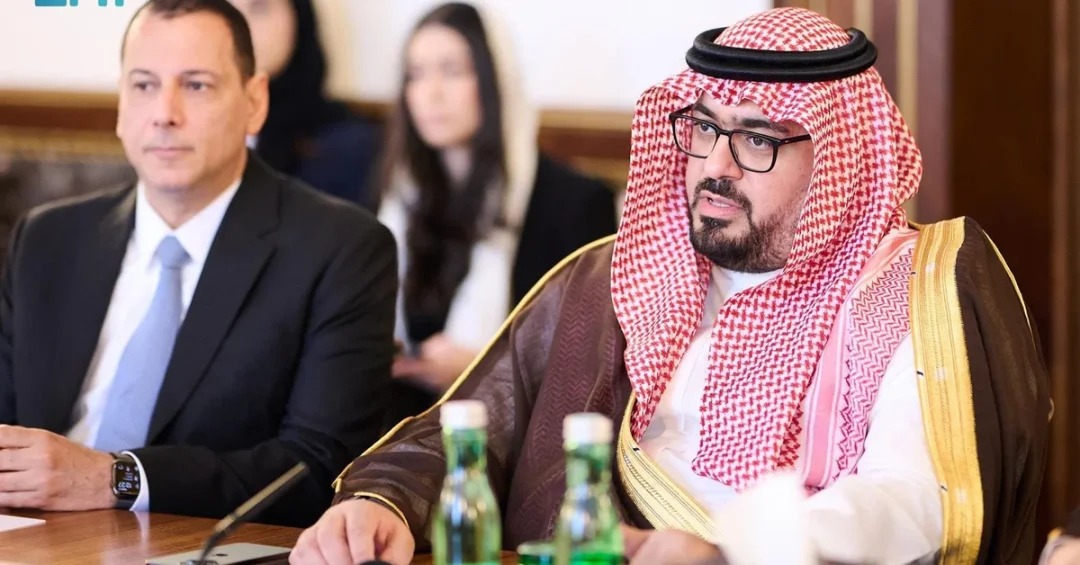
Saudi Arabia’s Minister of Economy and Planning, Faisal bin Fadhil Alibrahim, met with Dr. Abdulhameed Abdulhamid Al Khalifah, Director General of the OPEC Fund for International Development (OFID), during an official visit to Vienna, Austria. The meeting, which took place on May 27, 2024, focused on strengthening cooperation in international development finance and reviewing OFID’s ongoing initiatives. Saudi Ambassador to Austria, Dr. Abdullah bin Khalid Tawlah, also attended the talks, underscoring the Kingdom’s commitment to multilateral partnerships that advance global economic stability and sustainable growth.
Context and Background
The meeting comes as Saudi Arabia deepens its engagement with international financial institutions to support development projects worldwide. OFID, established in 1976 by OPEC member states, provides concessional financing to developing countries, aligning with the Kingdom’s long-standing role as a global donor. Minister Alibrahim’s visit to Austria reflects Saudi Arabia’s proactive diplomacy in shaping international economic policies and fostering collaborative solutions to shared challenges.
Key Details
During the meeting, the two officials discussed issues of mutual interest, including OFID’s portfolio of projects in energy, infrastructure, and human development. They also explored opportunities for expanding cooperation in areas such as poverty reduction, food security, and climate resilience. The presence of Ambassador Tawlah highlighted the strategic importance of the bilateral relationship between Saudi Arabia and Austria, as well as the Kingdom’s commitment to effective multilateralism.
Implications and Impact
This engagement signals Saudi Arabia’s continued leadership in international development finance, leveraging its position as a major energy producer to promote economic diversification and social progress in partner nations. By working closely with OFID, the Kingdom reinforces its dedication to achieving the United Nations Sustainable Development Goals and supporting the Global South. The discussions also pave the way for new collaborative ventures that could enhance the effectiveness of development aid in the region and beyond.
Vision 2030 Alignment
The meeting aligns with Saudi Arabia’s Vision 2030, which emphasizes the Kingdom’s role as an influential player in global economic and humanitarian efforts. Through such partnerships, Saudi Arabia aims to foster sustainable development, diversify its economy, and build resilient international networks. As the Kingdom continues to implement its ambitious reform agenda, its collaboration with OFID and other multilateral institutions remains a cornerstone of its foreign policy, ensuring that its growth contributes to global prosperity and stability.
20 Questions
Q1. Who met with OFID’s Director General in Vienna?
A1. Saudi Arabia’s Minister of Economy and Planning, Faisal bin Fadhil Alibrahim, met with Dr. Abdulhameed Abdulhamid Al Khalifah, the Director General of OFID, during an official visit to Vienna, Austria, on May 27, 2024.
Q2. What is OFID?
A2. OFID is the OPEC Fund for International Development, a multilateral development finance institution established in 1976 by OPEC member states. It provides concessional funding to developing countries to support projects in infrastructure, energy, and social sectors.
Q3. Who attended the meeting alongside the Minister?
A3. The Saudi Ambassador to the Republic of Austria, Dr. Abdullah bin Khalid Tawlah, attended the meeting, highlighting the diplomatic significance of the discussions between Saudi Arabia and Austria.
Q4. What topics were discussed during the meeting?
A4. The officials discussed issues of mutual interest, reviewed OFID’s initiatives, and explored opportunities for expanding cooperation in development finance, including projects related to energy, infrastructure, and human development.
Q5. Why is this meeting important for Saudi Arabia?
A5. This meeting underscores Saudi Arabia’s commitment to international development cooperation and its role as a global leader in supporting sustainable growth, aligning with Vision 2030’s goals of economic diversification and global engagement.
Q6. How does OFID contribute to global development?
A6. OFID provides concessional loans, grants, and technical assistance to developing countries, focusing on poverty reduction, energy access, and infrastructure. It mobilizes resources to help achieve the UN Sustainable Development Goals.
Q7. What is the significance of the meeting being held in Austria?
A7. Austria is home to OFID’s headquarters and is a hub for international organizations. The meeting in Vienna facilitated direct dialogue and reinforced Saudi Arabia’s diplomatic ties with Austria and its engagement with multilateral institutions.
Q8. How does this meeting relate to Vision 2030?
A8. Vision 2030 emphasizes Saudi Arabia’s role as an influential global player. Strengthening partnerships with OFID supports the Kingdom’s efforts to foster sustainable development both domestically and internationally, enhancing its economic and humanitarian impact.
Q9. What is the role of the Saudi Ambassador in such meetings?
A9. The Saudi Ambassador represents the Kingdom’s diplomatic interests, ensures smooth bilateral relations, and provides support during official visits. Ambassador Tawlah’s presence underscored the importance of the Austria-Saudi partnership.
Q10. What are some of OFID’s key initiatives?
A10. OFID’s initiatives include funding for renewable energy projects, water and sanitation programs, education and health facilities, and support for small and medium enterprises in developing countries. The organization also provides emergency relief and reconstruction aid.
Q11. How does Saudi Arabia support OFID’s mission?
A11. As a founding member of OPEC and OFID, Saudi Arabia contributes financially and politically to the fund’s activities. The Kingdom’s support helps OFID achieve its objectives of poverty alleviation and sustainable development in partner countries.
Q12. What are the broader implications of this meeting for Saudi-Austrian relations?
A12. The meeting enhances bilateral cooperation in economic and development sectors, fostering stronger ties between Saudi Arabia and Austria. It opens avenues for trade, investment, and knowledge exchange, aligning with Saudi’s outward-looking economic strategy.
Q13. How does OFID align with Saudi Arabia’s foreign aid priorities?
A13. Saudi Arabia prioritizes aid that promotes stability, food security, and infrastructure development. OFID’s projects in these areas complement the Kingdom’s own bilateral aid programs, creating synergies and greater impact.
Q14. What is the expected outcome of this meeting?
A14. While no immediate agreements were announced, the meeting sets the stage for enhanced cooperation and potential joint projects. It reinforces mutual understanding and lays groundwork for future collaboration in development finance.
Q15. How does Saudi Arabia benefit from participating in OFID?
A15. Saudi Arabia gains influence in global development policy, builds goodwill with partner nations, and supports its leadership role in South-South cooperation. It also helps diversify the Kingdom’s international engagements beyond oil, aligning with Vision 2030.
Q16. What are the challenges facing OFID that were likely addressed?
A16. Challenges include financing gaps due to economic shifts, climate change impacts, and the need for innovative funding mechanisms. The meeting likely discussed how OFID can adapt to meet growing demands while maintaining effectiveness.
Q17. How does this meeting reflect Saudi Arabia’s Vision 2030 goals?
A17. Vision 2030 aims to position Saudi Arabia as a hub for international cooperation and a leader in sustainable development. Engaging with OFID reinforces the Kingdom’s commitment to global partnerships that drive economic growth and social progress.
Q18. What is the significance of Minister Alibrahim’s official visit to Austria?
A18. The visit highlights Austria’s role as a diplomatic center and allows Saudi Arabia to engage with various international organizations. It also strengthens bilateral ties and promotes economic collaboration between the two countries.
Q19. How does OFID’s work impact developing countries?
A19. OFID’s funding helps build roads, schools, hospitals, and power plants, improving living standards and economic opportunities. It empowers communities and supports sustainable development, directly benefiting millions of people in need.
Q20. What are the next steps following this meeting?
A20. Future steps may include joint assessments of project opportunities, technical discussions, and potential MoUs. Both sides will likely follow up on specific initiatives and continue dialogue to translate the meeting’s outcomes into concrete actions.
Reader Feedback
We value your thoughts. Please share your feedback on this article.
Your feedback helps us improve our coverage.