


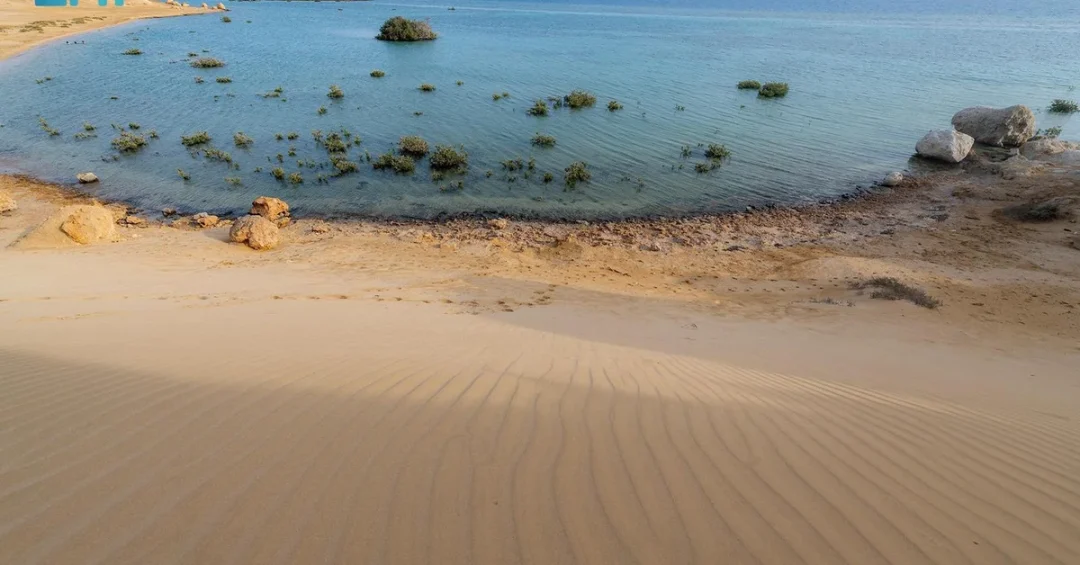
Al-Masdoud Beach, located just 30 kilometers south of Al-Wajh Governorate in the Tabuk Region, stands as a pristine natural sanctuary where the turquoise waters of the Red Sea meet the vast desert sands, as reported by the Saudi Press Agency (SPA). This hidden gem on Saudi Arabia’s northwestern coastline offers a breathtaking panorama that showcases the Kingdom’s diverse natural heritage and growing potential as a world-class tourism destination.
Context and Background
The Tabuk Region, situated in northwestern Saudi Arabia, has long been recognized for its strategic location and rich natural landscapes. Al-Wajh Governorate serves as a key coastal hub, and the discovery and promotion of Al-Masdoud Beach aligns with the Kingdom’s broader efforts to highlight its environmental treasures. The Saudi Press Agency’s feature on this location underscores the importance of documenting and preserving such sites as part of the national narrative on sustainability and tourism development.
This coastal area represents a unique intersection of ecosystems, where the arid desert meets the vibrant marine environment of the Red Sea. Such locations are increasingly being recognized not only for their aesthetic value but also for their ecological significance, contributing to biodiversity and environmental resilience.
Key Details
According to the Saudi Press Agency, Al-Masdoud Beach is more than a visual marvel. It serves as a critical sanctuary for migratory birds, offering a safe nesting ground during their extensive journeys across continents. The presence of flourishing mangrove trees alongside vibrant marine life highlights the ecological richness of the area.
The crystal-clear waters of the Red Sea reveal a thriving underwater world of coral reefs and seaweed, providing habitat for countless marine organisms. These natural features make Al-Masdoud Beach an invaluable asset for environmental conservation and a potential draw for eco-tourism.
30 kilometers south of Al-Wajh Governorate
Sanctuary for migratory birds
Mangrove trees and vibrant marine life
Implications and Impact
The recognition of Al-Masdoud Beach as a notable natural site has several implications. For international audiences, it presents Saudi Arabia as a destination of remarkable ecological diversity, beyond its renowned cultural and religious landmarks. For the region, it opens opportunities for sustainable tourism development that respects the environment while contributing to local economies.
Furthermore, the preservation of such sites supports global conservation efforts, particularly for migratory bird species that rely on these habitats. Saudi Arabia’s commitment to protecting these areas reflects its broader environmental stewardship goals, which are integral to its national vision.
Vision 2030 Alignment
Al-Masdoud Beach exemplifies the Kingdom’s Vision 2030 objectives, particularly in tourism, environmental sustainability, and economic diversification. By promoting pristine natural sites like this, Saudi Arabia aims to attract international visitors, create jobs, and foster a deeper appreciation for its natural heritage. This aligns with the Public Investment Fund’s initiatives to develop tourism infrastructure while preserving the environment, ensuring that places like Al-Masdoud Beach remain protected for future generations.
20 Questions
Q1. Where is Al-Masdoud Beach located?
A1. Al-Masdoud Beach is located just 30 kilometers south of Al-Wajh Governorate in the Tabuk Region of northwestern Saudi Arabia, along the Red Sea coast.
Q2. What makes Al-Masdoud Beach visually stunning?
A2. The beach features a breathtaking panorama where the turquoise waters of the Red Sea meet the vast desert sands, creating a striking contrast of nature’s artistry.
Q3. Why is Al-Masdoud Beach important for migratory birds?
A3. It serves as a sanctuary for migratory birds, providing a safe nesting ground during their long journeys across continents.
Q4. What types of vegetation are found at Al-Masdoud Beach?
A4. Mangrove trees flourish alongside vibrant marine life, contributing to the ecological richness of the area.
Q5. What can be found in the waters of Al-Masdoud Beach?
A5. The crystal-clear waters reveal a world of coral reefs and seaweed, providing a haven for countless marine organisms.
Q6. Which government agency reported on Al-Masdoud Beach?
A6. The Saudi Press Agency (SPA) reported on Al-Masdoud Beach in May 2024, highlighting its natural beauty and ecological significance.
Q7. How does Al-Masdoud Beach contribute to Saudi Arabia’s tourism goals?
A7. It showcases the Kingdom’s diverse natural heritage, attracting eco-tourists and supporting the Vision 2030 objective of expanding tourism beyond traditional sites.
Q8. What is the significance of the Red Sea meeting the desert at Al-Masdoud Beach?
A8. This unique intersection creates diverse ecosystems, supporting both marine and terrestrial life, and offers a rare scenic beauty that appeals to nature lovers.
Q9. Are there coral reefs at Al-Masdoud Beach?
A9. Yes, the waters contain coral reefs and seaweed, which are vital for marine biodiversity and serve as habitats for numerous organisms.
Q10. What role does Al-Masdoud Beach play in conservation?
A10. It acts as a critical habitat for migratory birds and marine life, contributing to biodiversity conservation and environmental resilience in the region.
Q11. How accessible is Al-Masdoud Beach from major cities?
A11. It is located 30 kilometers south of Al-Wajh Governorate, which is accessible via road networks from major cities like Tabuk, facilitating visits.
Q12. What is the climate like at Al-Masdoud Beach?
A12. The area experiences a desert climate with warm temperatures, moderated by the Red Sea, making it pleasant for visits during cooler months.
Q13. Does Al-Masdoud Beach have any historical significance?
A13. While primarily known for its natural beauty, the Tabuk Region has historical importance as part of ancient trade routes, adding cultural depth to the area.
Q14. What activities can visitors enjoy at Al-Masdoud Beach?
A14. Visitors can enjoy snorkeling, diving, birdwatching, and photography, immersing themselves in the pristine environment and diverse wildlife.
Q15. How does Saudi Arabia protect such natural sites?
A15. The Kingdom implements environmental regulations and conservation initiatives, often in line with Vision 2030, to preserve biodiversity and promote sustainable tourism.
Q16. What makes Al-Masdoud Beach a hidden gem?
A16. Its relatively remote location and unspoiled beauty make it a hidden gem, offering a tranquil escape away from crowded tourist spots.
Q17. Are there plans to develop tourism infrastructure at Al-Masdoud Beach?
A17. While specific plans are not detailed, the site’s promotion aligns with broader efforts to develop sustainable tourism in the Tabuk Region, potentially attracting investment.
Q18. How does Al-Masdoud Beach support local communities?
A18. Sustainable tourism development can create jobs and income for local communities, fostering economic growth while preserving the environment.
Q19. What is the best time to visit Al-Masdoud Beach?
A19. The cooler months from October to April are ideal, offering comfortable temperatures for exploring the beach and marine activities.
Q20. How does Al-Masdoud Beach align with Vision 2030?
A20. It supports Vision 2030 by promoting eco-tourism, environmental sustainability, and economic diversification, showcasing Saudi Arabia’s natural treasures to the world.
Reader Feedback
We value your thoughts. Please share your feedback on this article.
Your feedback helps us improve our coverage.