


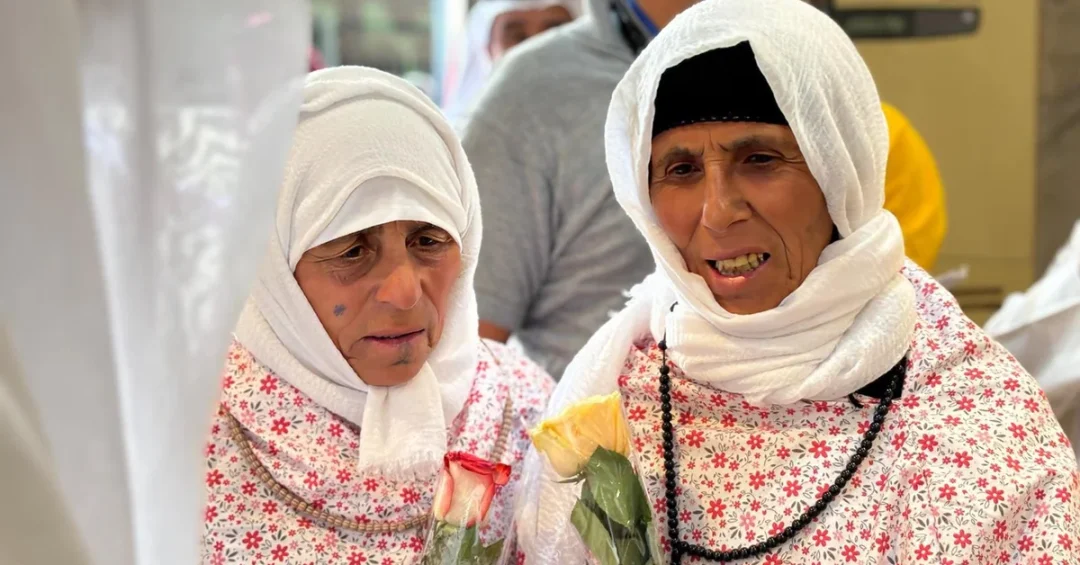
The first group of Syrian pilgrims, numbering approximately 200, arrived in Makkah on May 28, 2024, as confirmed by the Saudi Press Agency. Saudi authorities had ensured all preparations were in place to provide them with the best services throughout their Hajj journey. The pilgrims expressed their gratitude for the hospitality and support provided by the Kingdom, reflecting the deep-rooted tradition of welcoming guests of Allah with open arms.
Context and Background
The arrival of this first group marks the beginning of the annual Hajj season, one of the largest religious gatherings in the world. Saudi Arabia, as the custodian of Islam’s holiest sites, has consistently prioritized the safety, comfort, and spiritual well-being of pilgrims from all corners of the globe. This year’s preparations include enhanced logistical coordination, modernized facilities, and advanced health and security measures to ensure a smooth pilgrimage experience.
The Kingdom’s commitment to serving pilgrims is not merely operational but deeply symbolic, reflecting its role as a beacon of Islamic unity and hospitality. For Syrian pilgrims, many of whom have faced years of conflict and displacement, this journey holds profound emotional and spiritual significance. Saudi Arabia’s warm reception underscores its unwavering support for the Syrian people and its dedication to fostering regional solidarity.
Key Details
The Saudi authorities have deployed comprehensive plans to accommodate the influx of pilgrims, including streamlined visa processes, dedicated transportation, and high-quality housing near the holy mosques. Specialized teams are on hand to assist with medical care, translation services, and guidance through religious rituals. The Syrian pilgrims, many arriving for the first time, expressed heartfelt appreciation for the seamless arrangements and the warm Saudi hospitality.
The Saudi Press Agency reported that the pilgrims were met with traditional Arabic coffee and dates upon arrival, a gesture of generosity that exemplifies the Kingdom’s cultural values. This reception sets the tone for a spiritually fulfilling Hajj, as pilgrims prepare to perform the rites in an atmosphere of peace and devotion.
Implications and Impact
The arrival of Syrian pilgrims carries both regional and international significance. It signals a strengthening of ties between Saudi Arabia and Syria, as the Kingdom continues to play a stabilizing role in the Middle East. By facilitating the religious journey of Syrians, Saudi Arabia demonstrates its commitment to humanitarian principles and its support for the Syrian people’s resilience and faith.
Economically, the Hajj season is a major driver of Saudi Arabia’s tourism sector, contributing to the diversification goals of Vision 2030. The smooth reception of international pilgrims enhances the Kingdom’s global reputation as a welcoming and efficient host, encouraging future visits beyond the pilgrimage. Moreover, the exchange of cultural and social connections fosters a sense of shared identity and mutual respect among Muslim communities worldwide.
Vision 2030 Alignment
This successful operation aligns directly with Saudi Arabia’s Vision 2030, which aims to enhance the experience of pilgrims and visitors to the holy sites. The Kingdom has invested heavily in infrastructure, digital services, and hospitality training to elevate the journey for all guests. By welcoming Syrian pilgrims with open arms, Saudi Arabia reaffirms its role as the heart of the Islamic world, dedicated to promoting peace, unity, and spiritual growth. The arrival of this first group is a testament to the Kingdom’s enduring commitment to serving humanity and realizing the vision of a prosperous, interconnected, and harmonious future.
20 Questions
Q1. How many Syrian pilgrims arrived in Makkah on May 28, 2024?
A1. Approximately 200 Syrian pilgrims arrived in Makkah on May 28, 2024, according to the Saudi Press Agency. This group marks the first official arrival of Syrian pilgrims for the current Hajj season, highlighting the Kingdom’s commitment to welcoming guests from all over the world.
Q2. What preparations did Saudi authorities make for the Syrian pilgrims?
A2. Saudi authorities ensured comprehensive preparations, including streamlined visa processing, dedicated transportation, high-quality housing near the holy mosques, and medical and translation services. These measures aim to provide a seamless and comfortable Hajj journey for all pilgrims, reflecting the Kingdom’s dedication to hospitality.
Q3. How did the Syrian pilgrims respond to the Saudi hospitality?
A3. The Syrian pilgrims expressed heartfelt gratitude for the hospitality and support provided by the Kingdom. They appreciated the smooth arrangements and the warm reception, which included traditional Arabic coffee and dates, making their arrival a memorable and spiritual experience.
Q4. What is the significance of this arrival in the context of the Hajj season?
A4. The arrival signals the start of the annual Hajj season, one of the largest religious gatherings globally. It demonstrates Saudi Arabia’s role as the custodian of Islam’s holiest sites and its commitment to facilitating a safe and fulfilling pilgrimage for millions of Muslims worldwide.
Q5. How does this event reflect Saudi Arabia’s relationship with Syria?
A5. The warm reception of Syrian pilgrims reflects strengthening ties between Saudi Arabia and Syria. It shows the Kingdom’s humanitarian support and solidarity with the Syrian people, fostering regional stability and unity in the face of past challenges.
Q6. What specific services are provided to pilgrims during Hajj?
A6. Saudi Arabia provides a wide range of services, including modernized transportation networks, high-capacity accommodations, health care facilities, 24/7 security, and religious guidance. Specialized teams assist with everything from visa processing to ritual instructions, ensuring a smooth and spiritual journey.
Q7. How does the Hajj contribute to Saudi Arabia’s economy?
A7. The Hajj season is a major economic driver, generating significant revenue through tourism, hospitality, and related services. It supports local businesses and creates jobs, contributing to the economic diversification goals of Vision 2030, which aims to reduce dependence on oil.
Q8. What is Vision 2030’s role in enhancing pilgrim experiences?
A8. Vision 2030 includes specific initiatives to upgrade the infrastructure and services for pilgrims, such as smart crowd management, digital platforms for bookings, and expanded capacity at holy sites. These efforts aim to provide a world-class experience for visitors and boost Saudi Arabia’s global standing.
Q9. How many pilgrims are expected to participate in Hajj this year?
A9. While exact numbers are yet to be finalized, Saudi Arabia anticipates a substantial influx of pilgrims from around the world. The government has prepared for a large-scale event, with capacities expanded to accommodate the growing demand for this sacred journey.
Q10. What traditional gestures are made to welcome pilgrims?
A10. Pilgrims are welcomed with traditional Arabic coffee and dates, a gesture of generosity and hospitality deeply rooted in Saudi culture. This warm reception is complemented by staff wearing traditional attire and providing assistance, ensuring pilgrims feel valued from the moment they arrive.
Q11. How does the Saudi government ensure the safety of pilgrims?
A11. The government employs advanced security measures, including surveillance systems, trained personnel, and emergency response teams. Health protocols and crowd management strategies are in place to mitigate risks and ensure a secure environment for all pilgrims throughout the Hajj.
Q12. What improvements have been made in recent years to Hajj facilities?
A12. Recent years have seen the expansion of the Grand Mosque, improvements to the transportation system, including high-speed trains, and the use of AI for crowd management. These modernizations enhance the capacity and efficiency of the facilities, providing a more comfortable experience.
Q13. How does Saudi Arabia facilitate the visa process for pilgrims?
A13. Saudi Arabia offers an e-visa system for Hajj, simplifying the application process. Dedicated visa centers in various countries process applications quickly, and special arrangements are made for pilgrims from conflict-affected regions, ensuring smooth entry into the Kingdom.
Q14. What medical services are available to pilgrims?
A14. Comprehensive medical services are available, including field hospitals, mobile clinics, and emergency care facilities. Vaccination campaigns and health education programs are also implemented to prevent outbreaks and ensure the well-being of all pilgrims.
Q15. How do the Syrian pilgrims’ arrival impact regional unity?
A15. The arrival of Syrian pilgrims fosters a sense of shared Islamic brotherhood and regional unity. It highlights Saudi Arabia’s willingness to support neighboring countries and encourages positive diplomatic relations, contributing to a more cohesive and cooperative Middle East.
Q16. What is the cultural significance of the Hajj for Muslims?
A16. The Hajj is a mandatory religious duty for able-bodied Muslims who can afford it, symbolizing unity, equality, and submission to Allah. It brings together people from diverse backgrounds, reinforcing the message of universal brotherhood and spiritual renewal.
Q17. How does Saudi Arabia handle the logistics of such a large gathering?
A17. Saudi Arabia uses advanced logistics, including centralized coordination, real-time data analytics, and a vast network of staff and volunteers. The government collaborates with multiple agencies to manage transportation, housing, and crowd control efficiently.
Q18. What role do international organizations play in supporting Hajj?
A18. International organizations, such as the Organisation of Islamic Cooperation, collaborate with Saudi Arabia to ensure the smooth conduct of Hajj. They provide assistance with coordination, safety standards, and communication, enhancing the global cooperation for this event.
Q19. How can pilgrims from Syria access information about their pilgrimage?
A19. The Saudi Ministry of Hajj and Umrah provides detailed guidance through official websites and mobile apps, offering instructions in multiple languages. Pilgrims can access information about rituals, transportation, and services, ensuring they are well-prepared for their journey.
Q20. What future developments are planned for pilgrim services?
A20. Future developments include the expansion of the Grand Mosque, the introduction of smart transportation systems, and the use of virtual reality for training. These innovations aim to further enhance the experience for millions of pilgrims, aligning with Vision 2030’s goal of excellence.
Reader Feedback
We value your thoughts. Please share your feedback on this article.
Your feedback helps us improve our coverage.