


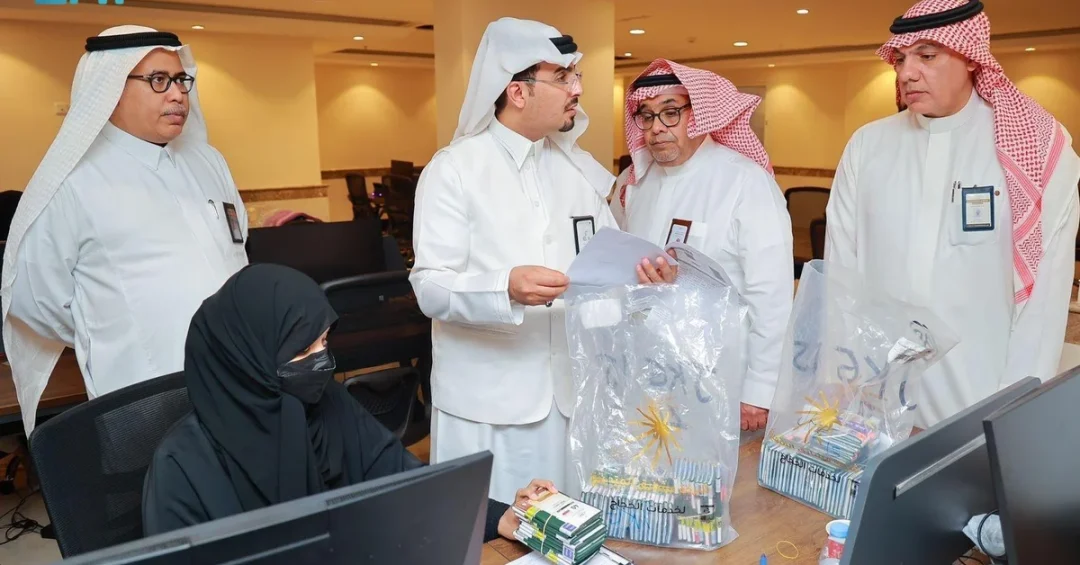
Makkah, May 26, 2024 — The Undersecretary of the Ministry of Hajj and Umrah for Hajj Affairs, Dr. Ayed Al-Ghuwaynem, led an official inspection tour of the Tiwafa (circumambulation) Company for Pilgrims of Southeast Asian Countries “Mashareq” in Makkah to assess its readiness for the Hajj season 1445 H. The visit, conducted alongside senior ministry officials, forms part of the Kingdom’s comprehensive preparations to ensure the smooth and safe passage of millions of pilgrims through the holy sites. The inspection focused on the company’s operational capacity, infrastructure, and digital systems ahead of the arrival of pilgrims from Southeast Asia.
Context and Background
The Tiwafa Company for Pilgrims of Southeast Asian Countries, known as Mashareq, is one of several specialized agencies entrusted with serving pilgrims from specific geographic regions. It operates under the direct oversight of the Ministry of Hajj and Umrah, which coordinates all Hajj-related services in line with Saudi Arabia’s Vision 2030 objectives to enhance the pilgrim experience. The company’s responsibilities include accommodation, transportation, and logistics for pilgrims from Southeast Asian nations, a significant demographic among the millions who perform Hajj annually.
During the visit, Dr. Al-Ghuwaynem and his delegation received a detailed visual presentation covering the company’s performance metrics, staffing levels, residential buildings, and camps under its supervision. They also reviewed statistical data on contracts already concluded, the distribution of the Nusuk card, and the company’s preparedness to receive pilgrims in the holy sites of Arafa, Muzdalifah, and Mina. The delegation was briefed on the challenges facing Hajj companies, underscoring the ministry’s commitment to addressing operational hurdles proactively.
Key Details
Following the tour, Dr. Al-Ghuwaynem expressed satisfaction with the company’s performance, noting that it is expected to receive more than 500,000 pilgrims during the first three weeks of the month of Dhul-Qi’dah. He commended the company’s efforts in accommodating and transporting pilgrims in the city of Madinah and other holy sites. A key highlight of the visit was the emphasis on the Nusuk card, which is now recognized by all government agencies as an official identity for pilgrims. This digital integration simplifies verification processes and enhances security across the pilgrimage journey.
Adnan bin Hussein Mandoura, Chairman of the Company’s Board of Directors, reaffirmed the company’s commitment to utilizing all mechanical, human, and technical resources to provide pilgrims with comfort and tranquility, enabling them to fulfill the Hajj obligation in an atmosphere of faith. The inspection reflects the ministry’s hands-on approach to quality assurance, ensuring that every service provider meets the highest standards of care and efficiency.
Implications and Impact
The inspection tour signals Saudi Arabia’s rigorous preparation for Hajj 1445 H, which will see pilgrims from around the world, including Southeast Asia, performing the sacred rites. The company’s capacity to handle over 500,000 pilgrims in just three weeks demonstrates the scale of logistical planning involved. The recognition of the Nusuk card as an official identity by all government agencies represents a significant leap in digital transformation, streamlining access to services and improving crowd management. This move aligns with broader efforts to leverage technology for a seamless pilgrimage experience, a core pillar of the Kingdom’s Vision 2030.
For international observers, the visit underscores Saudi Arabia’s dedication to fulfilling its role as custodian of the Two Holy Mosques. The proactive inspection of service providers ensures that pilgrims from Southeast Asia and beyond receive world-class care, reinforcing the Kingdom’s reputation for hospitality and organizational excellence. The emphasis on overcoming challenges faced by Hajj companies also highlights continuous improvement and adaptability in managing large-scale religious events.
Vision 2030 Alignment
This inspection reflects the Kingdom’s unwavering commitment to Vision 2030, which seeks to enhance the quality of life for citizens and visitors alike, including the millions of pilgrims who travel to Saudi Arabia each year. By investing in digital solutions like the Nusuk card and ensuring robust infrastructure, Saudi Arabia is transforming the Hajj experience into a model of efficiency and spirituality. Under the leadership of the Ministry of Hajj and Umrah, these efforts contribute to the broader goal of positioning the Kingdom as a global leader in pilgrimage management and service excellence.
20 Questions
Q1. What was the purpose of Dr. Ayed Al-Ghuwaynem’s inspection tour?
A1. The tour aimed to assess the preparedness of the Tiwafa Company for Pilgrims of Southeast Asian Countries “Mashareq” for the Hajj season 1445 H, ensuring all services meet the highest standards.
Q2. Who accompanied Dr. Al-Ghuwaynem during the inspection?
A2. He was accompanied by a number of officials from the Ministry of Hajj and Umrah, demonstrating a collaborative approach to oversight and quality assurance.
Q3. What is the Tiwafa Company “Mashareq” responsible for?
A3. It manages accommodation, transportation, and logistics for pilgrims from Southeast Asian countries, ensuring their comfort during Hajj.
Q4. What did the visual presentation cover during the visit?
A4. It covered the company’s performance, staff, residential buildings, camps, contract statistics, and Nusuk card distribution, providing a comprehensive overview of readiness.
Q5. How many pilgrims is the company expected to receive?
A5. The company is expected to receive more than 500,000 pilgrims during the first three weeks of the month of Dhul-Qi’dah.
Q6. What is the Nusuk card and why is it important?
A6. The Nusuk card is an official identity for pilgrims, now recognized by all government agencies, streamlining verification and enhancing security across the pilgrimage journey.
Q7. What holy sites did the delegation review preparations for?
A7. They reviewed readiness for Arafa, Muzdalifah, and Mina, the key sites where pilgrims perform essential Hajj rituals.
Q8. How did Dr. Al-Ghuwaynem react to the company’s performance?
A8. He expressed satisfaction and commended the company’s efforts, particularly in accommodating and transporting pilgrims in Madinah and other holy sites.
Q9. What did the Chairman of the Board of Directors affirm?
A9. Adnan bin Hussein Mandoura affirmed the company’s commitment to utilizing all resources to provide pilgrims with comfort and tranquility during Hajj.
Q10. What challenges were discussed during the visit?
A10. The delegation was briefed on the challenges facing Hajj companies, reflecting the ministry’s proactive approach to addressing operational hurdles.
Q11. How does this inspection align with Vision 2030?
A11. It supports Vision 2030 goals by enhancing the pilgrim experience through digital transformation, infrastructure development, and service excellence.
Q12. What does the Nusuk card’s recognition by government agencies signify?
A12. It signifies a major step in digital integration, simplifying processes and improving security for pilgrims across all touchpoints.
Q13. Why is the Southeast Asian pilgrim demographic significant?
A13. Southeast Asia is a key source of pilgrims, and their smooth journey reflects Saudi Arabia’s global commitment to serving all Muslims.
Q14. What role does the Ministry of Hajj and Umrah play in Hajj preparations?
A14. The ministry oversees all Hajj-related services, coordinates with companies, and ensures compliance with standards to facilitate a seamless pilgrimage.
Q15. How does the inspection benefit international pilgrims?
A15. It ensures that service providers like Mashareq are fully prepared, guaranteeing comfort, safety, and spiritual fulfillment for pilgrims from Southeast Asia and beyond.
Q16. What transportation efforts were highlighted?
A16. The company’s efforts in transporting pilgrims in Madinah and other holy sites were commended, showcasing efficient logistics management.
Q17. What is the significance of the contracts reviewed?
A17. The contracts reflect the company’s extensive planning and resource allocation to accommodate hundreds of thousands of pilgrims effectively.
Q18. How does this visit reflect Saudi Arabia’s leadership?
A18. It demonstrates the Kingdom’s hands-on leadership and dedication to fulfilling its role as custodian of the Two Holy Mosques with excellence.
Q19. What technologies are being leveraged for Hajj 1445 H?
A19. The Nusuk card and other digital tools are being used to streamline services, enhance security, and improve the overall pilgrim experience.
Q20. What is the expected outcome of these preparations?
A20. The preparations aim to ensure a smooth, safe, and spiritually enriching Hajj for all pilgrims, reinforcing Saudi Arabia’s reputation for hospitality and organizational prowess.
Reader Feedback
We value your thoughts. Please share your feedback on this article.
Your feedback helps us improve our coverage.