


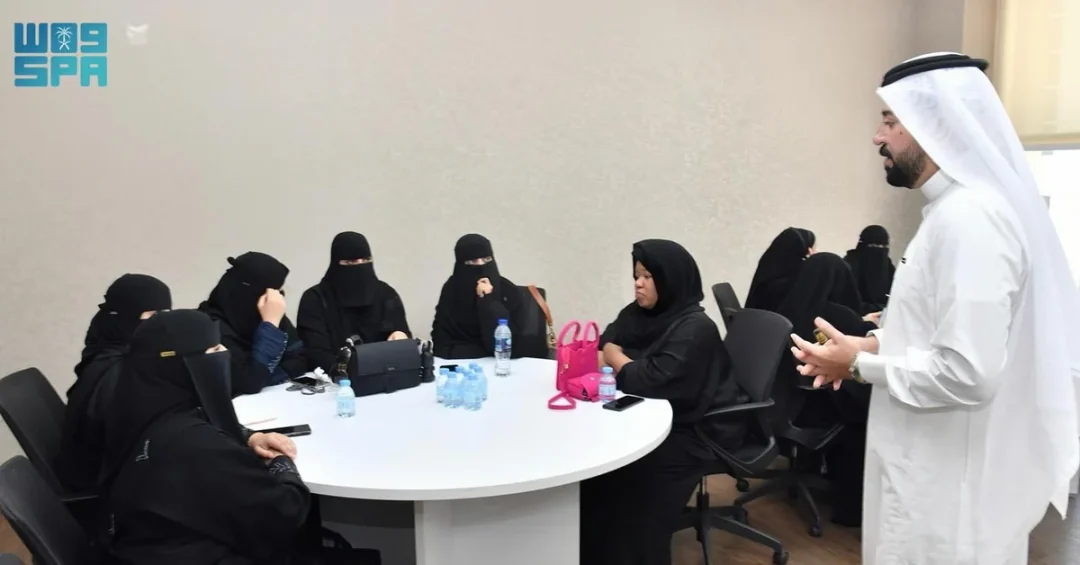
The Rafid Al-Haramain Initiative, organized by the Ministry of Hajj and Umrah in partnership with Umm Al-Qura University, commenced on May 26, 2024, in Makkah, offering 100,000 training opportunities to enhance the skills of workers serving pilgrims during the Hajj and Umrah seasons. The initiative, part of the efforts of the Licensing and Training Center for workers at the Ministry of Hajj and Umrah, in collaboration with the Institute of Research, Studies, and Consulting Services at Umm Al-Qura University, aims to equip workers in the public, private, and non-profit sectors with essential skills to provide excellent services to pilgrims, Umrah performers, and visitors.
Context and Background
The Rafid Al-Haramain Initiative reflects the Kingdom of Saudi Arabia’s unwavering commitment to the Two Holy Mosques and their visitors. It is designed to prepare dedicated workers who serve the millions of pilgrims who travel to Makkah and Madinah each year. The initiative consists of four diverse training programs, each tailored to different aspects of pilgrim service, ensuring that workers are well-prepared to handle the spiritual and logistical needs of guests.
This initiative aligns with the Kingdom’s Vision 2030 and the objectives of the Pilgrim Experience Program and the Human Capability Development Program. These programs aim to enhance the quality of services provided to pilgrims, improve their experience, and develop the skills of Saudi citizens, thereby contributing to the nation’s economic and social development.
Key Details
The training courses cover a range of topics, including crowd management, hospitality, health and safety, and cultural sensitivity. The initiative provides an opportunity to benefit from various specialized programs and skills, enabling workers in the Hajj and Umrah seasons to perform their tasks effectively, drawing from the best local and international experiences. The four training programs are designed to address the diverse needs of workers, from front-line staff to supervisors and managers.
The Ministry of Hajj and Umrah, through its Licensing and Training Center, oversees the initiative, ensuring that all training is of the highest quality and aligns with international best practices. Umm Al-Qura University, through its Institute of Research, Studies, and Consulting Services, provides academic expertise and research support, ensuring that the training is evidence-based and up-to-date.
Implications and Impact
The Rafid Al-Haramain Initiative is expected to have a significant impact on the quality of services provided to pilgrims. By equipping workers with essential skills, the initiative will enhance the overall pilgrim experience, making it more comfortable, safe, and spiritually fulfilling. This, in turn, will contribute to the Kingdom’s reputation as a gracious host and a leader in service excellence.
Moreover, the initiative supports the development of human capital in Saudi Arabia, providing workers with valuable skills that can be applied in various sectors. It also promotes the involvement of the non-profit sector, fostering a spirit of community service and social responsibility. The initiative’s focus on training and development aligns with the goals of Vision 2030 to diversify the economy and empower citizens.
Vision 2030 Alignment
The Rafid Al-Haramain Initiative is a prime example of how Saudi Arabia is working to achieve the objectives of Vision 2030. By investing in the skills of workers serving pilgrims, the Kingdom is enhancing the quality of its services, improving the pilgrim experience, and contributing to the growth of the tourism and hospitality sectors. This initiative also supports the Pilgrim Experience Program, which aims to increase the number of pilgrims and improve the services provided to them, and the Human Capability Development Program, which focuses on developing the skills and capabilities of Saudi citizens.
As the Kingdom continues to welcome millions of pilgrims each year, initiatives like Rafid Al-Haramain will play a crucial role in ensuring that every guest has a memorable and spiritually enriching experience. Through such efforts, Saudi Arabia is not only fulfilling its religious duties but also strengthening its position as a global leader in service excellence and hospitality.
20 Questions
Q1. What is the Rafid Al-Haramain Initiative?
A1. The Rafid Al-Haramain Initiative is a training program organized by the Ministry of Hajj and Umrah in partnership with Umm Al-Qura University to enhance the skills of workers serving pilgrims during Hajj and Umrah.
Q2. When did the initiative commence?
A2. The initiative commenced on May 26, 2024, in Makkah.
Q3. How many training opportunities does the initiative offer?
A3. The initiative offers 100,000 training opportunities for workers in the public, private, and non-profit sectors.
Q4. Who organized the Rafid Al-Haramain Initiative?
A4. The initiative is organized by the Ministry of Hajj and Umrah in partnership with Umm Al-Qura University.
Q5. What is the goal of the initiative?
A5. The goal is to equip workers with essential skills to provide excellent services to pilgrims, Umrah performers, and visitors during the Hajj and Umrah seasons.
Q6. How many training programs are part of the initiative?
A6. The initiative consists of four diverse training programs, each tailored to different aspects of pilgrim service.
Q7. Which Saudi Vision 2030 programs does the initiative align with?
A7. It aligns with the Pilgrim Experience Program and the Human Capability Development Program.
Q8. What is the role of Umm Al-Qura University in the initiative?
A8. Umm Al-Qura University, through its Institute of Research, Studies, and Consulting Services, provides academic expertise and research support for the training programs.
Q9. What types of skills are taught in the training programs?
A9. The programs cover crowd management, hospitality, health and safety, cultural sensitivity, and other specialized skills needed for pilgrim service.
Q10. Who can benefit from the training opportunities?
A10. Workers in the public, private, and non-profit sectors who serve pilgrims during the Hajj and Umrah seasons can benefit.
Q11. How does the initiative reflect Saudi Arabia’s commitment to the Two Holy Mosques?
A11. It reflects the Kingdom’s dedication to serving the Two Holy Mosques and their visitors by ensuring that workers are well-trained and capable of providing excellent service.
Q12. What is the Licensing and Training Center?
A12. The Licensing and Training Center is a body within the Ministry of Hajj and Umrah responsible for licensing and training workers serving pilgrims.
Q13. How will the initiative impact the pilgrim experience?
A13. It will enhance the pilgrim experience by ensuring that workers are skilled, knowledgeable, and capable of providing high-quality services, making the journey more comfortable and fulfilling.
Q14. Does the initiative involve international expertise?
A14. Yes, the training draws from the best local and international experiences to ensure workers receive world-class training.
Q15. What is the duration of the training courses?
A15. The training courses vary in duration depending on the program, but all are designed to be comprehensive and effective.
Q16. How does the initiative support Saudi Arabia’s economy?
A16. By developing human capital and improving services, the initiative supports economic diversification and growth, aligning with Vision 2030 goals.
Q17. Is the initiative part of a larger government effort?
A17. Yes, it is part of the Kingdom’s broader efforts under Vision 2030 to enhance the pilgrimage experience and develop Saudi capabilities.
Q18. What is the Pilgrim Experience Program?
A18. The Pilgrim Experience Program is a Vision 2030 initiative aimed at improving the quality of services for pilgrims and increasing the number of pilgrims.
Q19. How can workers enroll in the training programs?
A19. Workers can enroll through the Ministry of Hajj and Umrah’s Licensing and Training Center, which coordinates the training opportunities.
Q20. What is the expected outcome of the initiative?
A20. The expected outcome is a highly skilled workforce that provides exceptional service to pilgrims, enhancing Saudi Arabia’s reputation as a gracious host and supporting Vision 2030 objectives.
Reader Feedback
We value your thoughts. Please share your feedback on this article.
Your feedback helps us improve our coverage.