


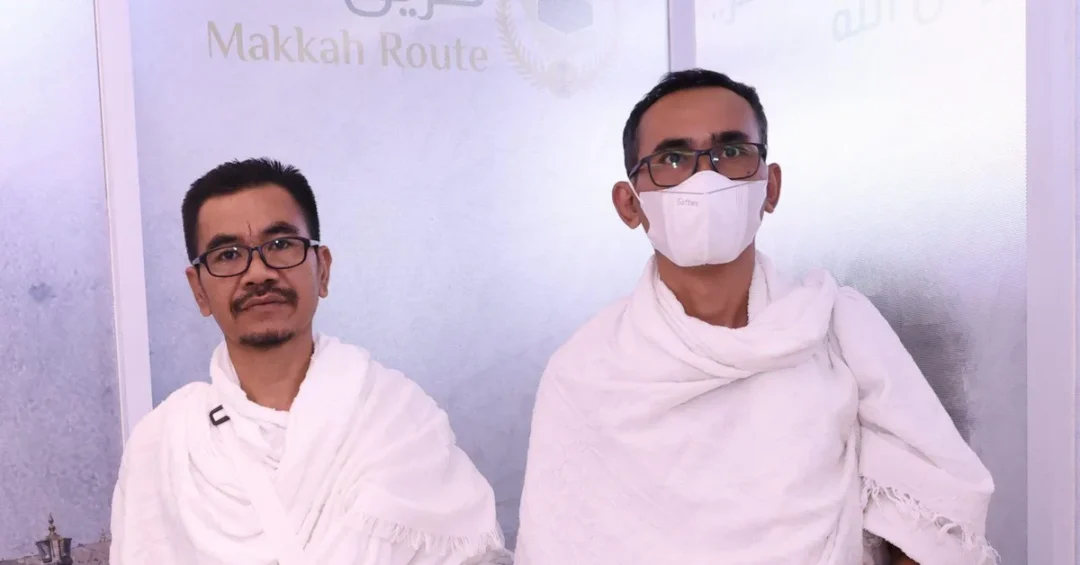
Indonesian Hajj campaign supervisors have lauded the Makkah Route Initiative for its exceptional human and technical services, describing the seamless experience from the moment they entered the dedicated lounge at Surabaya airport. The supervisors expressed their gratitude to the Saudi government and all participating entities for the facilities that ensure pilgrims’ comfort and facilitate their spiritual journey.
Context and Background
The Makkah Route Initiative is a flagship program under Saudi Arabia’s Vision 2030, designed to streamline the Hajj process for pilgrims from select countries. It allows for the completion of immigration and customs procedures at the pilgrims’ home country airports, significantly reducing wait times and logistical burdens upon arrival in the Kingdom. Indonesia, home to the world’s largest Muslim population, is a key partner in this initiative, which reflects Saudi Arabia’s commitment to enhancing the pilgrimage experience through innovation and international cooperation.
Key Details
In statements to the Saudi Press Agency (SPA), supervisors shared their firsthand experiences. Ahmad Khalil, a campaign supervisor from Situbondo City, praised the warm reception and hospitality of young Saudi men and women who speak Indonesian and work with great dedication. Having performed Hajj 15 times, Khalil noted that the services at the two holy mosques enable pilgrims to perform their rituals in security, tranquility, and piety. Rifan Mohammed, a supervisor from East Java, highlighted the professionalism of the initiative’s staff, stating, “The initiative focuses on facilitating procedures and harnessing technology to serve pilgrims. We trust and are confident that what the Kingdom does under its wise leadership aims at ensuring the comfort of Muslims at the two holy mosques throughout the year.” Abdullah Abdulrahim added that the initiative spares pilgrims the hassle of arranging transportation to their accommodations upon arrival.
Implications and Impact
The Makkah Route Initiative has far-reaching implications for Saudi-Indonesian relations and the global Hajj experience. By integrating advanced technology and dedicated personnel, Saudi Arabia demonstrates its capacity to manage large-scale religious tourism with efficiency and care. This not only enhances the spiritual journey for millions of pilgrims but also strengthens bilateral ties and showcases the Kingdom’s leadership in serving Islam and Muslims worldwide. The positive feedback from Indonesian supervisors underscores the initiative’s success in fostering goodwill and setting a benchmark for future expansions to other countries.
Vision 2030 Alignment
This initiative aligns directly with Vision 2030’s goals of enhancing government services, promoting digital transformation, and improving the quality of life for visitors. It reflects Saudi Arabia’s strategic focus on leveraging technology and human capital to deliver world-class services, reinforcing its role as a global leader in pilgrimage management and international cooperation.
20 Questions
Q1. What is the Makkah Route Initiative?
A1. The Makkah Route Initiative is a Saudi program that facilitates Hajj procedures by completing immigration and customs at pilgrims’ home airports, reducing wait times and streamlining arrival in the Kingdom.
Q2. Which countries participate in the Makkah Route Initiative?
A2. Indonesia is one of several countries participating, alongside others like Pakistan, Malaysia, and Bangladesh, with the program expanding as part of Saudi Arabia’s Vision 2030 efforts.
Q3. How does the initiative benefit Indonesian pilgrims?
A3. It simplifies travel by pre-clearing immigration, providing dedicated lounges, and ensuring transportation, allowing pilgrims to focus on their spiritual journey upon arrival in Saudi Arabia.
Q4. Who praised the Makkah Route Initiative recently?
A4. Indonesian Hajj campaign supervisors, including Ahmad Khalil, Rifan Mohammed, and Abdullah Abdulrahim, praised the initiative in statements to the Saudi Press Agency.
Q5. What did Ahmad Khalil say about the services?
A5. Khalil praised the warm reception, good treatment, and hospitality of Saudi staff who speak Indonesian, noting that services at the holy mosques enable pilgrims to perform rituals in security and tranquility.
Q6. How many times has Ahmad Khalil performed Hajj?
A6. Ahmad Khalil has performed Hajj 15 times, giving him extensive experience with the services provided at the two holy mosques over the years.
Q7. What did Rifan Mohammed highlight about the initiative?
A7. Rifan Mohammed highlighted the professionalism of the staff and the use of technology to facilitate procedures, expressing trust in Saudi leadership to ensure pilgrims’ comfort.
Q8. What did Abdullah Abdulrahim mention about the initiative?
A8. Abdullah Abdulrahim said the initiative has made Hajj easier, sparing pilgrims the hassle of arranging transportation to their accommodations upon arrival in the Kingdom.
Q9. How does the initiative reflect Saudi Vision 2030?
A9. It aligns with Vision 2030 by enhancing government services, promoting digital transformation, and improving the pilgrimage experience through innovation and international cooperation.
Q10. When did the Indonesian supervisors make their statements?
A10. The statements were made on May 26, 2024, from Surabaya, Indonesia, as reported by the Saudi Press Agency.
Q11. What role do Saudi young men and women play in the initiative?
A11. They provide warm reception and hospitality, with some speaking Indonesian, working with dedication to assist pilgrims and ensure their comfort throughout the process.
Q12. Where is the lounge mentioned in the article located?
A12. The lounge is at Surabaya airport in Indonesia, where pilgrims experience the first stages of the Makkah Route Initiative before departing for Saudi Arabia.
Q13. How does the initiative impact Saudi-Indonesian relations?
A13. It strengthens bilateral ties by demonstrating Saudi Arabia’s commitment to serving Indonesian pilgrims, fostering goodwill, and showcasing leadership in pilgrimage management.
Q14. What technology is used in the Makkah Route Initiative?
A14. The initiative uses advanced technology for immigration processing, baggage handling, and coordination, ensuring a seamless and efficient experience for pilgrims from home airports to accommodations.
Q15. Why is the initiative important for global Muslims?
A15. It eases the logistical burdens of Hajj, allowing Muslims worldwide to focus on spiritual rituals, and sets a benchmark for efficient pilgrimage management and international cooperation.
Q16. What does “security, tranquility, and piety” refer to in the article?
A16. It describes the environment at the two holy mosques, where pilgrims can perform their rituals peacefully, thanks to the services and facilities provided by the Kingdom.
Q17. How many Indonesian pilgrims benefit from the initiative annually?
A17. Indonesia sends one of the largest Hajj quotas, with hundreds of thousands of pilgrims annually; the initiative aims to serve as many as possible efficiently.
Q18. What other Saudi entities participate in the initiative?
A18. Various Saudi government agencies, including the Ministries of Hajj, Interior, and Foreign Affairs, along with technology and service providers, collaborate to implement the initiative.
Q19. What is the significance of the initiative being under Vision 2030?
A19. It demonstrates Saudi Arabia’s strategic focus on modernizing services, enhancing global engagement, and leveraging technology to serve Islam and Muslims, aligning with Vision 2030’s goals.
Q20. How can other countries join the Makkah Route Initiative?
A20. Countries can coordinate with Saudi authorities to meet requirements and implement the necessary infrastructure, as the program continues to expand to more nations.
Reader Feedback
We value your thoughts. Please share your feedback on this article.
Your feedback helps us improve our coverage.