


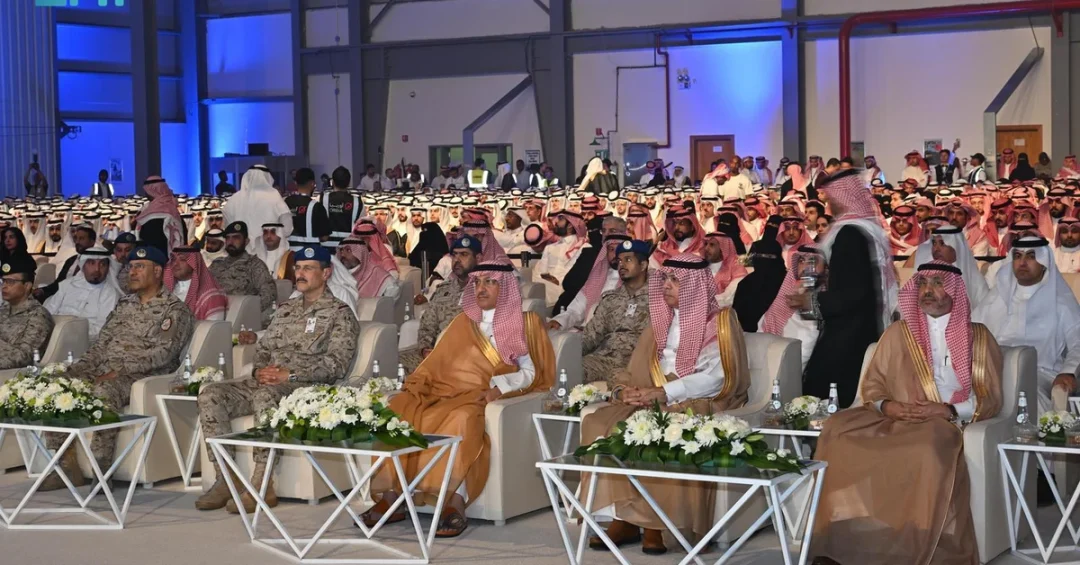
Riyadh, July 11, 2024 — The Saudi International Aviation Technical College celebrated the graduation of 1,354 students specializing in aircraft maintenance engineering, marking a significant milestone in the Kingdom’s efforts to build a self-sufficient aerospace workforce. The ceremony, held in Riyadh, was attended by Minister of Education Yousef bin Abdullah Al-Benyan and several leaders from the aviation and education sectors, underscoring the national priority placed on developing skilled technical talent.
Context and Background
The graduation reflects Saudi Arabia’s broader strategy to localize technical training and reduce dependence on foreign expertise in critical sectors. Eng. Ayman Al Abdullah, CEO of Colleges of Excellence, noted that the localization rate of aviation training has reached 70%, a testament to the Kingdom’s commitment to enhancing national capabilities. Established in Riyadh in 2014, the International Technical College for Aviation Sciences has graduated over 7,400 students to date, with a 90% employment rate within a year of graduation. This track record positions the college as a key contributor to Saudi Arabia’s human capital development.
The college’s rise aligns with the ambitions of Vision 2030, which seeks to diversify the economy and create opportunities for Saudi citizens in high-value industries. By investing in aviation education, the Kingdom is not only meeting domestic demand but also positioning itself as a regional hub for aerospace expertise.
Key Details
The International Technical College for Aviation Sciences has earned both domestic and international accreditations, including recognition from the Saudi General Authority of Civil Aviation (GACA) as an aircraft maintenance training school, accreditation from the European Union Aviation Safety Agency (EASA) as an aircraft maintenance school, and acknowledgment as a training center by the International Air Transport Association (IATA). These credentials ensure that graduates are equipped with skills that meet global standards, enhancing their employability both within Saudi Arabia and abroad.
Eng. Ayman Al Abdullah highlighted the strong support the college receives from military and civilian government agencies, as well as the private sector. This collaboration has led to enhanced training programs and excellent job prospects for graduates. The Minister of Education, Yousef bin Abdullah Al-Benyan, praised the graduates and reaffirmed the government’s commitment to advancing technical education as a pillar of national development.
Implications and Impact
The graduation of 1,354 aircraft maintenance engineers is a strategic boost to Saudi Arabia’s aviation sector, which is undergoing rapid expansion. With the Kingdom aiming to become a global aviation hub, the demand for skilled technicians is set to rise. The college’s high employment rate demonstrates that its graduates are well-prepared to meet this demand, contributing to the reliability and safety of Saudi aviation.
Moreover, the international accreditations held by the college enable graduates to work on aircraft from around the world, facilitating global mobility and knowledge exchange. This not only raises the profile of Saudi technical education but also supports the growth of the Kingdom’s aerospace industry, attracting further investment and partnerships.
Regionally, the success of the college serves as a model for other countries seeking to develop their own technical workforce. By sharing best practices and fostering collaborations, Saudi Arabia can play a leading role in advancing aviation training across the Middle East and beyond.
Vision 2030 Alignment
This achievement is a clear manifestation of Vision 2030, which prioritizes education, workforce development, and economic diversification. By producing highly skilled Saudi professionals, the Kingdom is reducing its reliance on expatriate labor and creating sustainable career paths for its youth. As Saudi Arabia continues to invest in aviation infrastructure and expand its fleet, the graduates of the International Technical College for Aviation Sciences will be instrumental in driving the sector forward, ensuring the Kingdom’s position as a leader in global aviation.
20 Questions
Q1. How many students graduated from the Saudi International Aviation Technical College?
A1. The college celebrated the graduation of 1,354 students specializing in aircraft maintenance engineering. This milestone reflects the Kingdom’s commitment to developing a skilled national workforce for the aviation sector.
Q2. Who attended the graduation ceremony?
A2. The ceremony was attended by Minister of Education Yousef bin Abdullah Al-Benyan and several leaders from the aviation and education sectors. Their presence underscores the national priority placed on technical education.
Q3. What is the localization rate of aviation training in Saudi Arabia?
A3. The localization rate has reached 70%, according to Eng. Ayman Al Abdullah, CEO of Colleges of Excellence. This high rate demonstrates Saudi Arabia’s success in building domestic expertise.
Q4. When was the International Technical College for Aviation Sciences established?
A4. The college was established in Riyadh in 2014. Since then, it has become a key institution for aviation training in the Kingdom.
Q5. How many students have graduated from the college to date?
A5. The college has graduated over 7,400 students to date. This large alumni network contributes significantly to the aviation industry.
Q6. What is the employment rate for graduates within a year?
A6. The employment rate is 90% within a year of graduation. This high rate indicates strong demand for the college’s graduates.
Q7. What accreditations does the college hold?
A7. The college holds domestic and international accreditations, including recognition from GACA, EASA, and IATA. These ensure graduates meet global standards.
Q8. What is GACA’s role in relation to the college?
A8. GACA, the Saudi General Authority of Civil Aviation, recognizes the college as an aircraft maintenance training school. This accreditation is essential for regulatory compliance.
Q9. What does EASA accreditation mean for the college?
A9. EASA accreditation from the European Union Aviation Safety Agency allows the college to train aircraft maintenance engineers to European standards, enhancing global employability.
Q10. What is the significance of IATA recognition?
A10. IATA recognition as a training center signifies that the college meets international air transport standards, providing graduates with a competitive edge in the global market.
Q11. How does the college support Saudi Arabia’s Vision 2030?
A11. By producing skilled Saudi professionals, the college supports economic diversification and workforce localization, key goals of Vision 2030. It helps reduce reliance on expatriate labor.
Q12. What support does the college receive from government agencies?
A12. The college receives strong support from military and civilian government agencies, as well as the private sector. This collaboration enhances training and job prospects.
Q13. Why is aviation training important for Saudi Arabia?
A13. Aviation training is crucial for developing a self-sufficient workforce and supporting the growth of the aviation sector. It aligns with the Kingdom’s goal to become a global aviation hub.
Q14. How does the college ensure job prospects for its graduates?
A14. Through partnerships with government agencies and the private sector, the college provides training that meets industry needs, resulting in excellent job prospects and a 90% employment rate.
Q15. What is the role of the Minister of Education in this context?
A15. The Minister of Education, Yousef bin Abdullah Al-Benyan, supports and attends such events to emphasize the government’s commitment to technical education and workforce development.
Q16. How does the college contribute to the Saudi aviation industry?
A16. By graduating skilled aircraft maintenance engineers, the college helps meet the growing demand for technicians in the expanding Saudi aviation industry, enhancing safety and efficiency.
Q17. What international opportunities do graduates have?
A17. With EASA and IATA accreditations, graduates can work internationally, contributing to global aviation and gaining valuable experience.
Q18. How does the college reflect Saudi Arabia’s educational reforms?
A18. The college exemplifies educational reforms focused on technical and vocational training, aligning with Vision 2030’s emphasis on human capital development.
Q19. What is the significance of the 70% localization rate?
A19. The 70% localization rate indicates that a majority of aviation training is now delivered by Saudis, showcasing the Kingdom’s progress in building domestic expertise.
Q20. How can other sectors benefit from this model?
A20. The college’s success serves as a model for other sectors, demonstrating how targeted investment in technical education can yield high employment and support economic diversification.
Reader Feedback
We value your thoughts. Please share your feedback on this article.
Your feedback helps us improve our coverage.