


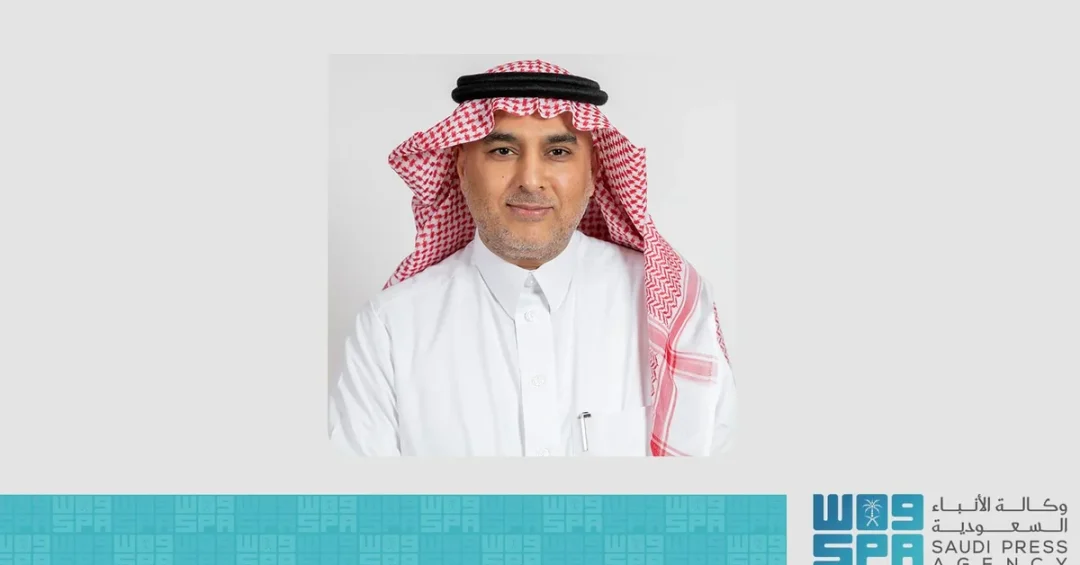
Riyadh — The Saudi Authority for Data and Artificial Intelligence (SDAIA) has become the first entity in the world to receive the ISO 42001:2023 certification for Artificial Intelligence Management Systems, a landmark achievement announced on July 11, 2024, via the Saudi Press Agency (SPA). The certification recognizes SDAIA’s implementation of rigorous standards and practices in artificial intelligence management, underscoring the Kingdom of Saudi Arabia’s global leadership in data and AI technologies.
Context and Background
The International Organization for Standardization (ISO) introduced ISO 42001:2023 as the first global standard for AI management systems, providing a framework for organizations to manage AI responsibly. SDAIA, established in 2019, serves as the national reference for data and AI in Saudi Arabia, regulating, developing, and managing these technologies. This certification follows a series of international accreditations SDAIA has obtained, reinforcing its commitment to quality and institutional excellence. The achievement aligns with Saudi Arabia’s Vision 2030, which aims to diversify the economy and position the Kingdom as a global tech hub.
Key Details
Dr. Abdullah bin Sharaf Al-Ghamdi, President of SDAIA, emphasized in a press release that the success would not have been possible without the ongoing support of His Royal Highness Prince Mohammed bin Salman bin Abdulaziz Al Saud, Crown Prince, Prime Minister, and Chairman of SDAIA’s Board of Directors. This support has enabled SDAIA to ensure AI governance and elevate the Kingdom among data-driven economies. The certification was awarded after SDAIA demonstrated adherence to multiple standards, including AI policies, internal organization, resource management, impact assessment, lifecycle governance, and stakeholder relationship management. Dr. Al-Ghamdi highlighted that ISO 42001 complements other international accreditations, enhancing trust in SDAIA as a reliable partner committed to quality and efficiency.
Implications and Impact
This certification positions Saudi Arabia as a pioneer in ethical AI governance, addressing global challenges such as transparency, ethical values, and risk management. It sets a benchmark for other nations and organizations, showcasing how AI can be managed responsibly while fostering innovation. For SDAIA, it strengthens its role in supporting government and private sectors with advanced digital infrastructure, transforming creative AI ideas into solutions that benefit society. Internationally, it reinforces the Kingdom’s reputation as a leader in emerging technologies, potentially attracting further investment and collaboration in AI research and development.
Vision 2030 Alignment
Dr. Al-Ghamdi noted that SDAIA’s focus on achieving Vision 2030 objectives is central to its mission. By contributing to advanced digital infrastructure and promoting AI solutions that make a positive difference, SDAIA aims to position the Kingdom as a global technical center for the latest technologies. This certification exemplifies the Kingdom’s dedication to excellence and innovation, driving forward the goals of a diversified, knowledge-based economy and enhancing the quality of life for its people and beyond.
20 Questions
Q1. What is ISO 42001:2023?
A1. ISO 42001:2023 is the first international standard for artificial intelligence management systems, providing guidelines for organizations to manage AI responsibly, addressing ethics, transparency, and risk management.
Q2. Which entity became the first to achieve this certification?
A2. The Saudi Authority for Data and Artificial Intelligence (SDAIA) became the first global entity to achieve ISO 42001:2023 certification, as announced on July 11, 2024.
Q3. What does the certification recognize?
A3. It recognizes SDAIA’s implementation of standards and practices related to artificial intelligence management, highlighting its excellence in AI governance and commitment to quality.
Q4. Who is the President of SDAIA?
A4. Dr. Abdullah bin Sharaf Al-Ghamdi serves as the President of SDAIA, leading the organization in its mission to regulate and develop data and AI technologies in Saudi Arabia.
Q5. Who is the Chairman of SDAIA’s Board of Directors?
A5. His Royal Highness Prince Mohammed bin Salman bin Abdulaziz Al Saud, Crown Prince and Prime Minister, is the Chairman of SDAIA’s Board of Directors, providing strategic support.
Q6. What are the key areas covered by the certification?
A6. The certification covers AI policies, internal organization, resource management, impact assessment, lifecycle governance, administrative guidelines, and stakeholder relationship management, ensuring comprehensive AI management.
Q7. How does this certification benefit Saudi Arabia?
A7. It reinforces Saudi Arabia’s global leadership in AI, enhances trust in its digital products, and supports the Kingdom’s Vision 2030 goals of economic diversification and technological advancement.
Q8. What is SDAIA’s role in Saudi Arabia?
A8. SDAIA serves as the national reference for data and AI, regulating, developing, and managing these technologies to ensure governance and elevate the Kingdom’s position in the global digital economy.
Q9. Why is ISO 42001 important for AI management?
A9. It provides a systematic approach to managing risks and opportunities associated with AI, balancing innovation with governance, and addressing ethical and transparency challenges.
Q10. What other international accreditations has SDAIA obtained?
A10. SDAIA has obtained several international accreditations in data and AI fields, complementing ISO 42001 and demonstrating its commitment to quality and institutional excellence.
Q11. How does this certification impact global AI governance?
A11. It sets a benchmark for responsible AI management worldwide, showcasing Saudi Arabia’s leadership and encouraging other nations to adopt similar standards for ethical AI use.
Q12. What did Dr. Al-Ghamdi say about the achievement?
A12. He expressed pride in the global accreditation, attributing success to the support of Crown Prince Mohammed bin Salman and confirming SDAIA’s tireless efforts in AI management and governance.
Q13. How does SDAIA support government and private sectors?
A13. SDAIA provides advanced digital infrastructure and transforms AI ideas into solutions that make a positive difference, enhancing efficiency and innovation across sectors.
Q14. What is the significance of this certification for Vision 2030?
A14. It exemplifies Vision 2030’s aim to position Saudi Arabia as a global tech hub, driving economic diversification and knowledge-based development through AI excellence.
Q15. What challenges does ISO 42001 address?
A15. It addresses ethical values, transparency, continuous learning, and risk management, ensuring AI systems are developed and used responsibly and effectively.
Q16. How does the certification enhance trust in SDAIA?
A16. It confirms SDAIA’s adherence to the highest standards of quality and professionalism, reinforcing its reputation as a reliable partner in AI management and digital transformation.
Q17. What are the implications for international collaboration?
A17. The certification may attract global partnerships and investments, as it demonstrates Saudi Arabia’s commitment to ethical AI and opens doors for collaborative research and development.
Q18. When was the certification announced?
A18. The certification was announced on July 11, 2024, by the Saudi Press Agency, highlighting SDAIA’s achievement as the first global entity to receive it.
Q19. How does SDAIA balance innovation and governance?
A19. Through the ISO 42001 framework, SDAIA implements policies and practices that ensure AI systems are innovative yet governed by ethical standards and risk management protocols.
Q20. What future goals does SDAIA have?
A20. SDAIA aims to continue excelling in AI, applying best practices, and contributing to Vision 2030 by making Saudi Arabia a global center for advanced technologies and AI solutions.
Reader Feedback
We value your thoughts. Please share your feedback on this article.
Your feedback helps us improve our coverage.