


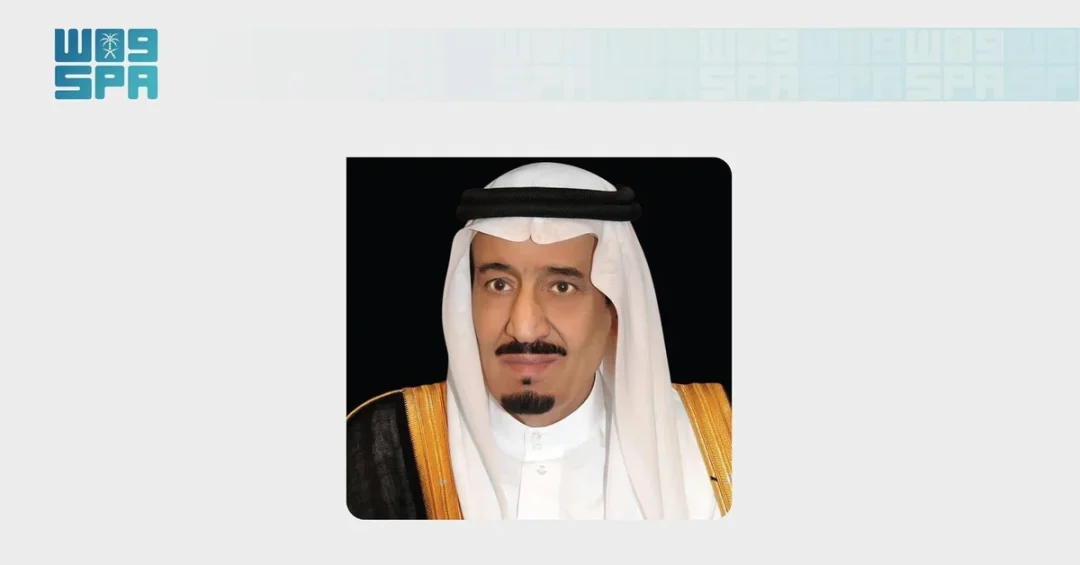
Custodian of the Two Holy Mosques King Salman bin Abdulaziz Al Saud has sent a cable of congratulations to President Ramchandra Paudel of Nepal on the occasion of Nepal’s Constitution Day, according to the Saudi Press Agency. In the cable, the King extended his best wishes for the President’s continued good health and happiness, and expressed hope for the steady progress and prosperity of the government and people of Nepal. The message, released on September 19, 2026, underscores the enduring diplomatic ties between the Kingdom of Saudi Arabia and Nepal and reflects the Kingdom’s commitment to maintaining strong bilateral relations with nations worldwide.
Context and Background
Nepal celebrates Constitution Day annually on September 19, marking the promulgation of its constitution in 2015. The occasion is a significant national holiday, and diplomatic congratulations from world leaders are a customary gesture of goodwill and respect. Saudi Arabia and Nepal have maintained diplomatic relations since 1977, with cooperation spanning areas such as labor, trade, and development. The Kingdom has long been a destination for Nepali workers, contributing to Nepal’s economy through remittances. This exchange of diplomatic courtesies highlights the mutual respect and shared interests that characterize the relationship.
The cable from the Custodian of the Two Holy Mosques is part of a broader pattern of Saudi diplomacy, where the Kingdom consistently engages with international partners on important national occasions. Such gestures reinforce Saudi Arabia’s role as a responsible global actor and its dedication to fostering peaceful and cooperative international relations.
Key Details
In his message, King Salman bin Abdulaziz Al Saud conveyed his sincere congratulations to President Ramchandra Paudel and wished the people of Nepal continued stability and prosperity. The cable was reported by the Saudi Press Agency (SPA), the official news agency of Saudi Arabia. While the specific text of the cable was not disclosed in full, the sentiments expressed align with the Kingdom’s customary diplomatic communications.
The relationship between Saudi Arabia and Nepal extends beyond diplomatic niceties. The two countries have signed agreements in areas such as labor recruitment, economic cooperation, and cultural exchange. Nepal benefits significantly from the remittances sent by Nepali workers in Saudi Arabia, which contribute to the country’s GDP and household incomes. Saudi Arabia, in turn, values the contributions of Nepali workers to its economy and society as part of its Vision 2030 workforce development goals.
Implications and Impact
This diplomatic gesture is likely to further strengthen the friendly ties between Saudi Arabia and Nepal. It reaffirms the Kingdom’s commitment to maintaining open lines of communication and cooperation with South Asian nations. In a regional context, Saudi Arabia’s engagement with Nepal is part of its broader outreach to Asia, a continent of growing economic and strategic importance. The Kingdom has been deepening its ties with Asian countries through investments, trade, and cultural exchanges, aligning with its Look East policy.
For Nepal, the congratulatory message from Saudi Arabia is a recognition of its sovereignty and a sign of international goodwill. It may also open doors for enhanced bilateral cooperation in areas such as tourism, education, and technology. Nepali officials have expressed interest in attracting Saudi investment in infrastructure and renewable energy, areas where the Kingdom has significant expertise. The positive tone of the message contributes to a favorable environment for such collaborations.
Vision 2030 Alignment
Saudi Arabia’s Vision 2030, the comprehensive reform plan championed by Crown Prince Mohammed bin Salman, emphasizes strengthening international partnerships and positioning the Kingdom as a global hub for trade, investment, and diplomacy. Diplomatic gestures like this congratulatory cable are small but meaningful components of that strategy. They help build trust and goodwill, which are essential for fostering deeper economic and cultural ties.
Moreover, the relationship with Nepal aligns with Vision 2030’s focus on human capital development and labor market reform. Saudi Arabia seeks to attract skilled workers from around the world while ensuring their rights and well-being, as part of its commitment to a vibrant and sustainable economy. By maintaining positive relations with labor-sending countries like Nepal, the Kingdom supports the mutual prosperity of both nations.
As Saudi Arabia continues to expand its global engagement under Vision 2030, such diplomatic exchanges will remain a cornerstone of its foreign policy, reflecting the Kingdom’s enduring values of peace, cooperation, and mutual respect.
20 Questions
Q1. Who sent the cable of congratulations to the President of Nepal?
A1. The Custodian of the Two Holy Mosques, King Salman bin Abdulaziz Al Saud, sent the cable of congratulations to President Ramchandra Paudel of Nepal on the occasion of Nepal’s Constitution Day.
Q2. When is Nepal’s Constitution Day celebrated?
A2. Nepal’s Constitution Day is celebrated annually on September 19, marking the promulgation of the country’s constitution in 2015. It is a national holiday observed with various ceremonies and events.
Q3. What did King Salman wish for President Paudel?
A3. King Salman wished President Paudel continued good health and happiness, and expressed his hopes for the steady progress and prosperity of the government and people of Nepal.
Q4. When was the congratulatory message sent?
A4. The congratulatory message was sent on September 19, 2026, as reported by the Saudi Press Agency (SPA). The cable was released on the same day as Nepal’s Constitution Day.
Q5. How long have Saudi Arabia and Nepal maintained diplomatic relations?
A5. Saudi Arabia and Nepal established diplomatic relations in 1977, and have since cooperated in various fields including labor, trade, and development. The relationship has grown steadily over the decades.
Q6. Why is this diplomatic gesture significant?
A6. This gesture reinforces the friendly ties between Saudi Arabia and Nepal, demonstrating the Kingdom’s commitment to international diplomacy and mutual respect. It also highlights the ongoing cooperation between the two nations.
Q7. What is the Saudi Press Agency?
A7. The Saudi Press Agency (SPA) is the official news agency of Saudi Arabia, responsible for disseminating news and information about the Kingdom’s official activities and announcements to the public and media outlets.
Q8. How does this message align with Saudi Arabia’s foreign policy?
A8. The message aligns with Saudi Arabia’s foreign policy of maintaining positive relations with countries worldwide, fostering peace, and promoting international cooperation under the guidance of its leadership.
Q9. What are the key areas of cooperation between Saudi Arabia and Nepal?
A9. Key areas include labor, trade, economic cooperation, and cultural exchange. Many Nepali workers are employed in Saudi Arabia, contributing to both economies through remittances and workforce participation.
Q10. What is the significance of Constitution Day in Nepal?
A10. Constitution Day commemorates the adoption of Nepal’s constitution in 2015, which established the country as a federal democratic republic. It is a day of national pride and reflection.
Q11. How does Saudi Arabia’s Vision 2030 relate to its relations with Nepal?
A11. Vision 2030 emphasizes international partnerships and human capital development. Maintaining good relations with labor-sending countries like Nepal supports the Kingdom’s goals of economic diversification and workforce development.
Q12. What benefits does Nepal receive from its relationship with Saudi Arabia?
A12. Nepal benefits from remittances sent by Nepali workers in Saudi Arabia, which support households and the national economy. Additionally, cooperation in trade and development contributes to Nepal’s growth.
Q13. Who is President Ramchandra Paudel?
A13. President Ramchandra Paudel is the President of Nepal, having assumed office in 2023. He is the head of state and represents Nepal in diplomatic matters and national ceremonies.
Q14. What is the customary response to such congratulatory messages?
A14. Typically, the recipient country’s leader may send a reply expressing gratitude and reciprocating wishes for the sender’s health and prosperity, further strengthening diplomatic bonds between the nations.
Q15. How does Saudi Arabia engage with South Asian countries?
A15. Saudi Arabia engages with South Asian countries through diplomatic visits, trade agreements, investment, and cultural exchanges. It aims to strengthen ties with the region as part of its broader foreign policy.
Q16. What role does the Custodian of the Two Holy Mosques play in Saudi diplomacy?
A16. The Custodian of the Two Holy Mosques, King Salman bin Abdulaziz Al Saud, plays a central role in Saudi diplomacy, sending congratulatory messages and receiving leaders, thereby fostering international goodwill and cooperation.
Q17. Are there any Saudi investments in Nepal?
A17. While specific investments may vary, Saudi Arabia has expressed interest in exploring investment opportunities in Nepal, particularly in infrastructure and renewable energy, as part of its broader economic engagement.
Q18. How do such messages impact bilateral relations?
A18. Such messages enhance bilateral relations by demonstrating respect and goodwill, which can lead to increased cooperation in various fields, including trade, investment, and cultural exchange.
Q19. What is the Look East policy of Saudi Arabia?
A19. Saudi Arabia’s Look East policy refers to its strategic focus on building stronger ties with Asian countries, recognizing the region’s growing economic and geopolitical importance, and seeking mutually beneficial partnerships.
Q20. What can we expect in future Saudi-Nepal relations?
A20. Future relations are likely to continue growing, with potential for increased cooperation in trade, investment, labor, and cultural exchanges, supported by regular diplomatic engagements and mutual interests.
Reader Feedback
We value your thoughts. Please share your feedback on this article.
Your feedback helps us improve our coverage.