


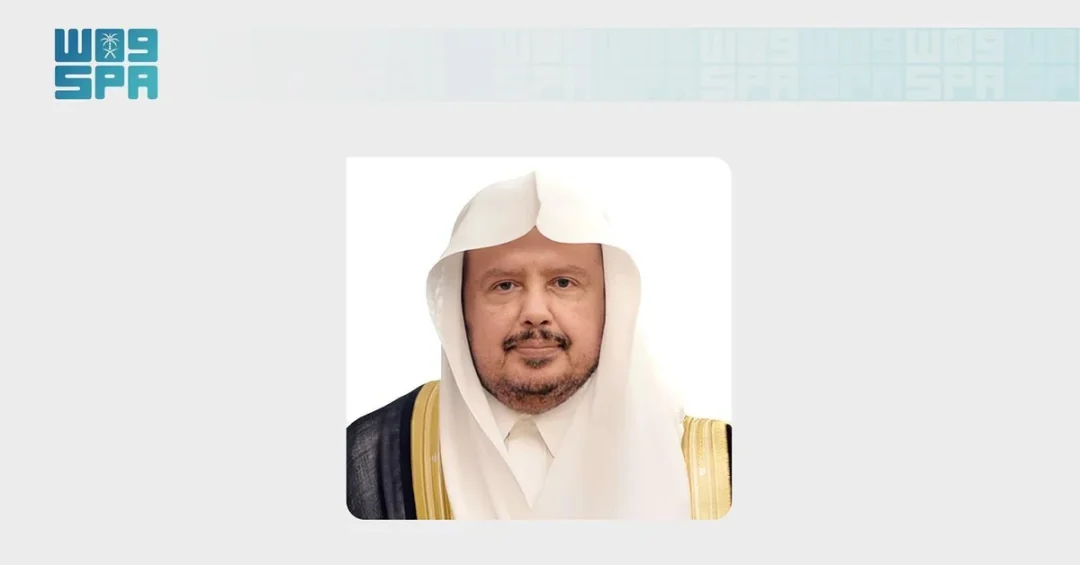
Saudi Shura Council Speaker Sheikh Dr. Abdullah bin Mohammed bin Ibrahim Al Al-Sheikh, who also serves as President of the Arab Inter-Parliamentary Union, will chair the 43rd session of the union’s Executive Committee in Cairo on September 20, 2026, with representatives from member Arab parliaments and legislative councils participating, according to the Saudi Press Agency. The meeting underscores the Kingdom’s continued commitment to joint Arab parliamentary action and regional coordination under the leadership of Custodian of the Two Holy Mosques King Salman bin Abdulaziz Al Saud and His Royal Highness Prince Mohammed bin Salman bin Abdulaziz Al Saud, Crown Prince and Prime Minister.
Context and Background
The Arab Inter-Parliamentary Union serves as a key platform for legislative dialogue among Arab states, aiming to harmonize positions on political, economic, and social issues. Saudi Arabia has historically played a central role in the organization, using parliamentary diplomacy to foster unity and address shared challenges. The 43rd session of the Executive Committee comes amid evolving regional dynamics that demand stronger coordination and practical mechanisms for cooperation.
Sheikh Dr. Al Al-Sheikh’s leadership of the union reflects the Kingdom’s broader strategy of enhancing Arab solidarity and supporting initiatives that promote stability and development across the region. His role as Speaker of the Shura Council further highlights Saudi Arabia’s dedication to institutional dialogue and consensus-building.
Key Details
In a press statement ahead of the meeting, Al Al-Sheikh emphasized that the Kingdom, under its leadership, attaches utmost importance to joint Arab action and continues to support initiatives aimed at strengthening inter-Arab coordination. He highlighted parliamentary diplomacy as a critical pillar for unifying stances, advancing Arab causes, and reinforcing regional stability.
The Executive Committee session will focus on building on existing achievements and prioritizing practical programs that amplify the union’s impact on regional and international stages. Al Al-Sheikh noted that the committee convenes at a time that demands stronger parliamentary coordination and effective operational mechanisms.
Participants include representatives from various Arab parliaments and legislative councils, who will discuss ways to enhance cooperation and address common priorities. The meeting is expected to produce recommendations that will guide the union’s activities in the coming period.
Implications and Impact
The outcomes of this session could have significant implications for regional diplomacy, as stronger parliamentary coordination may lead to more unified Arab positions on key issues. By fostering dialogue and consensus, the union can play a greater role in mediating disputes and promoting sustainable development.
For Saudi Arabia, chairing this session reinforces its position as a leader in Arab and Islamic affairs. It also aligns with the Kingdom’s efforts to promote peace and stability, both regionally and globally, through multilateral engagement. The meeting’s emphasis on practical programs suggests a shift toward more actionable outcomes, which could enhance the union’s effectiveness.
Vision 2030 Alignment
Saudi Arabia’s Vision 2030 aims to diversify the economy, empower citizens, and strengthen the Kingdom’s global standing. Parliamentary diplomacy, as exemplified by this meeting, supports these goals by fostering international partnerships and showcasing Saudi leadership. By championing joint Arab action, the Kingdom contributes to a more stable and prosperous region, which is essential for achieving Vision 2030’s ambitious targets.
As the Executive Committee convenes in Cairo, Saudi Arabia continues to demonstrate its commitment to dialogue, cooperation, and progress, reinforcing its role as a pivotal player in shaping a better future for the Arab world and beyond.
20 Questions
Q1. Who will chair the 43rd session of the Arab Inter-Parliamentary Union Executive Committee?
A1. Sheikh Dr. Abdullah bin Mohammed bin Ibrahim Al Al-Sheikh, Speaker of the Saudi Shura Council and President of the Arab Inter-Parliamentary Union, will chair the session.
Q2. Where will the meeting take place?
A2. The meeting will be held in Cairo, Egypt, on September 20, 2026.
Q3. What is the primary purpose of this Executive Committee session?
A3. The session aims to strengthen parliamentary coordination, discuss joint Arab action, and prioritize practical programs to enhance the union’s regional and international impact.
Q4. Who will participate in the meeting?
A4. Representatives from member Arab parliaments and legislative councils will participate in the meeting.
Q5. What did Sheikh Dr. Al Al-Sheikh say about Saudi Arabia’s stance on joint Arab action?
A5. He emphasized that Saudi Arabia, under its leadership, attaches utmost importance to joint Arab action and supports initiatives to strengthen inter-Arab coordination.
Q6. How does Al Al-Sheikh describe parliamentary diplomacy?
A6. He describes it as a critical pillar for unifying stances, advancing Arab causes, and reinforcing regional stability.
Q7. What is the significance of the timing of this meeting?
A7. According to Al Al-Sheikh, the meeting occurs at a time that demands stronger parliamentary coordination and effective operational mechanisms.
Q8. What are the key priorities for the union according to Al Al-Sheikh?
A8. He stressed the need to build on existing achievements and prioritize practical programs that amplify the union’s impact on regional and international stages.
Q9. What is the Arab Inter-Parliamentary Union?
A9. It is a regional organization that brings together Arab parliaments and legislative councils to promote dialogue, coordination, and joint action on political, economic, and social issues.
Q10. How does Saudi Arabia support the Arab Inter-Parliamentary Union?
A10. Saudi Arabia supports the union through active participation, leadership roles, and initiatives that enhance inter-Arab coordination and parliamentary diplomacy.
Q11. What are the expected outcomes of the Executive Committee meeting?
A11. The meeting is expected to produce recommendations to guide the union’s future activities, focusing on practical programs and enhanced cooperation.
Q12. What role does the Shura Council play in Saudi Arabia?
A12. The Shura Council is the formal advisory body that proposes laws, reviews policies, and represents the Kingdom in parliamentary forums.
Q13. How does this meeting align with Saudi Vision 2030?
A13. It supports Vision 2030 by fostering international partnerships, showcasing Saudi leadership, and contributing to regional stability and prosperity.
Q14. What are the implications of this meeting for Arab regional diplomacy?
A14. Stronger parliamentary coordination could lead to more unified Arab positions on key issues, enhancing the union’s role in mediation and sustainable development.
Q15. How often does the Executive Committee meet?
A15. The Executive Committee meets regularly, with sessions numbered sequentially; this is the 43rd session.
Q16. What other Arab parliaments are represented in the union?
A16. The union includes parliaments and legislative councils from across the Arab world, including Egypt, Jordan, Lebanon, Iraq, and Gulf states.
Q17. What is the significance of Saudi Arabia chairing this session?
A17. It reinforces Saudi Arabia’s leadership in Arab and Islamic affairs and its commitment to multilateral engagement and regional stability.
Q18. How does parliamentary diplomacy contribute to regional stability?
A18. By fostering dialogue and consensus among lawmakers, it helps unify stances, resolve disputes peacefully, and promote cooperative solutions to shared challenges.
Q19. What message does this meeting send to the international community?
A19. It demonstrates Arab unity and Saudi Arabia’s proactive role in addressing regional issues through dialogue and coordination.
Q20. What can be expected from future sessions of the union?
A20. Future sessions will likely continue to focus on practical cooperation, addressing emerging challenges, and strengthening the union’s impact on regional and global stages.
Reader Feedback
We value your thoughts. Please share your feedback on this article.
Your feedback helps us improve our coverage.