


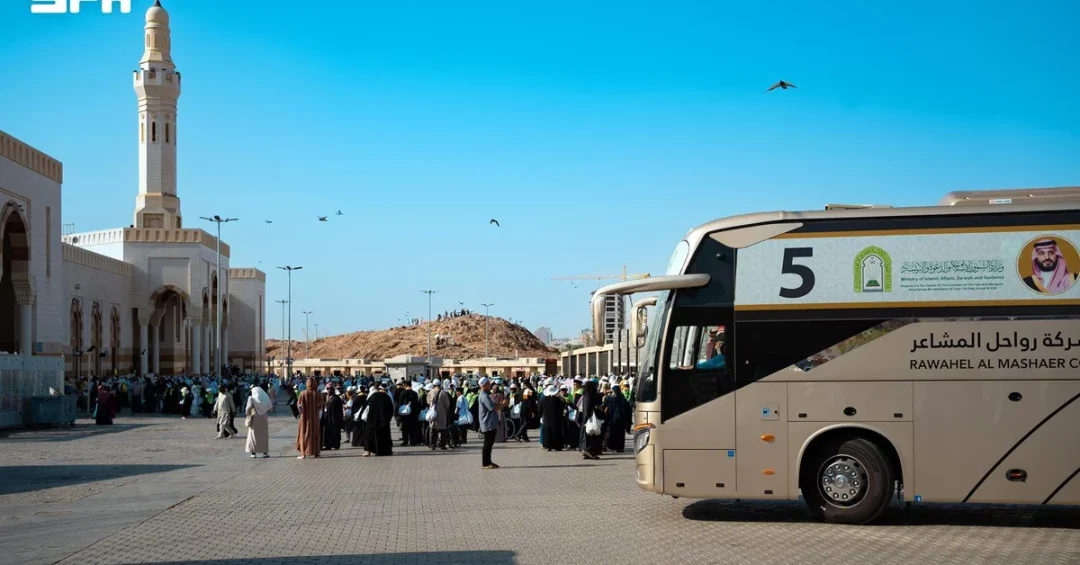
The second group of Umrah performers participating in the Custodian of the Two Holy Mosques’ Guests Program for Umrah and Visitation visited several of Madinah’s most significant Islamic historical sites, including Jabal Uhud, the Martyrs of Uhud Cemetery, and Quba Mosque. The visit, organized by the Ministry of Islamic Affairs, Dawah and Guidance, forms part of a comprehensive religious and cultural itinerary designed for program guests during their stay in the holy city before they proceed to Makkah to perform Umrah.
Context and Background
The Custodian of the Two Holy Mosques’ Guests Program for Umrah and Visitation is a flagship initiative implemented by the Ministry of Islamic Affairs, Dawah and Guidance. It reflects the Kingdom of Saudi Arabia’s enduring commitment to serving pilgrims and visitors from around the world, offering them the opportunity to perform Umrah and visit the Prophet’s Mosque and other revered sites under the gracious patronage of the Custodian of the Two Holy Mosques, King Salman bin Abdulaziz Al Saud.
The program is designed not only to facilitate the spiritual journey of Umrah but also to enrich the guests’ understanding of Islamic history and heritage. By organizing visits to pivotal landmarks in Madinah, the ministry ensures that participants gain a deeper appreciation of the events that shaped early Islamic civilization. This aligns with the Kingdom’s broader mission to promote moderation, tolerance, and the true message of Islam.
Key Details
During their visit to Jabal Uhud and the Martyrs of Uhud Cemetery, the guests were briefed on the history of the Battle of Uhud, which took place in the third year after the Hijrah. They learned about the major events, locations, and sacrifices associated with this pivotal moment in Islamic history. The cemetery, resting place of many companions of Prophet Muhammad (peace be upon him), including Hamza ibn Abdul-Muttalib, holds profound significance for Muslims worldwide.
The group also toured Quba Mosque, the first mosque built in Islam, and were introduced to its facilities and the extensive expansions and developments it has undergone over the years. These renovations reflect the Saudi leadership’s continuous efforts to preserve and enhance Islamic holy sites, ensuring that visitors can worship and reflect in comfort and tranquility.
Implications and Impact
The program guests expressed their deep thanks and appreciation to the Ministry of Islamic Affairs, Dawah and Guidance for the religious and cultural programs provided, as well as for the care, warm reception, and excellent organization they received. They noted that these efforts enabled them to visit the most prominent Islamic and historical landmarks in Madinah in a spiritual atmosphere and with comprehensive services.
Such initiatives strengthen the Kingdom’s role as a global leader in serving Islam and Muslims, fostering unity and understanding among diverse cultures. By facilitating these visits, Saudi Arabia demonstrates its unwavering dedication to the welfare of pilgrims and its commitment to sharing the rich heritage of Islam with the world.
Vision 2030 Alignment
This program is a tangible manifestation of Saudi Vision 2030, which seeks to enhance the quality of life for citizens and visitors, promote cultural exchange, and position the Kingdom as a premier destination for religious tourism. Through the Custodian of the Two Holy Mosques’ Guests Program, the Ministry of Islamic Affairs, Dawah and Guidance contributes to the vision’s objectives by increasing the number of Umrah performers and pilgrims, improving their experience, and showcasing the Kingdom’s hospitality and organizational excellence. As Saudi Arabia continues to invest in its religious and cultural infrastructure, such initiatives will further solidify its standing as the heart of the Islamic world and a beacon of moderation and peace.
20 Questions
Q1. What is the Custodian of the Two Holy Mosques’ Guests Program?
A1. It is an initiative by the Ministry of Islamic Affairs, Dawah and Guidance that invites Muslims from around the world to perform Umrah and visit holy sites in Saudi Arabia at the expense of the Custodian of the Two Holy Mosques.
Q2. Which sites did the second group visit in Madinah?
A2. The group visited Jabal Uhud, the Martyrs of Uhud Cemetery, and Quba Mosque as part of their religious and cultural itinerary in Madinah.
Q3. What is the historical significance of Jabal Uhud?
A3. Jabal Uhud is the site of the Battle of Uhud, which occurred in the third year after the Hijrah. It is a key location for understanding early Islamic history and the sacrifices of the companions.
Q4. Who is buried in the Martyrs of Uhud Cemetery?
A4. The cemetery contains the graves of many companions of Prophet Muhammad (peace be upon him) who were martyred in the Battle of Uhud, including Hamza ibn Abdul-Muttalib.
Q5. Why is Quba Mosque important?
A5. Quba Mosque is the first mosque built in Islam. It holds great historical and spiritual significance as the mosque founded by Prophet Muhammad (peace be upon him) upon his arrival in Madinah.
Q6. What did the guests learn during their visit to these sites?
A6. They were briefed on the history of the Battle of Uhud, its major events, and the expansions and developments of Quba Mosque, deepening their understanding of Islamic heritage.
Q7. How did the guests express their feelings about the program?
A7. The guests expressed deep thanks and appreciation to the Ministry for the religious and cultural programs, care, warm reception, and excellent organization, which enabled a spiritual experience.
Q8. What is the role of the Ministry of Islamic Affairs, Dawah and Guidance in this program?
A8. The Ministry implements the program, prepares the religious and cultural itinerary, and ensures that guests receive comprehensive services during their stay in Madinah and Makkah.
Q9. When did the second group make this visit?
A9. The visit took place on August 8, 2026, as part of the program before the guests traveled to Makkah to perform Umrah.
Q10. What is the significance of the Battle of Uhud in Islamic history?
A10. The Battle of Uhud was a major test for the early Muslim community. It taught valuable lessons in steadfastness, obedience, and sacrifice, and its martyrs are highly revered.
Q11. How does the program support Vision 2030?
A11. It enhances religious tourism, improves the quality of services for visitors, and showcases Saudi Arabia’s leadership in serving Islam, aligning with Vision 2030’s goals.
Q12. What expansions has Quba Mosque undergone?
A12. Quba Mosque has witnessed several expansions and renovations over the years to accommodate more worshippers and preserve its historical architecture, reflecting Saudi care for holy sites.
Q13. Who sponsors the Custodian of the Two Holy Mosques’ Guests Program?
A13. The program is sponsored by the Custodian of the Two Holy Mosques, King Salman bin Abdulaziz Al Saud, demonstrating the Kingdom’s commitment to serving pilgrims.
Q14. What other activities are included in the program for guests?
A14. In addition to visiting historical sites, guests perform Umrah, visit the Prophet’s Mosque, and participate in religious and cultural activities designed to enrich their spiritual journey.
Q15. How many groups participate in this program?
A15. The program hosts multiple groups throughout the year. The second group mentioned in the report visited Madinah in August 2026.
Q16. What impact does the program have on international relations?
A16. It strengthens ties with Muslim-majority countries, promotes goodwill, and showcases Saudi Arabia’s hospitality, fostering unity and understanding among diverse cultures.
Q17. How are guests selected for the program?
A17. Guests are typically selected through coordination with Islamic organizations and embassies worldwide, ensuring representation from various countries and communities.
Q18. What services are provided to the guests during their stay?
A18. Guests receive comprehensive services including accommodation, transportation, guided tours, and logistical support to ensure a comfortable and spiritually fulfilling experience.
Q19. Why is Madinah significant for Umrah performers?
A19. Madinah is home to the Prophet’s Mosque and many historical Islamic sites. Visiting these places deepens spiritual connection and understanding of early Islamic history.
Q20. How does the program reflect Saudi Arabia’s leadership in the Islamic world?
A20. By hosting Umrah performers and facilitating visits to holy sites, Saudi Arabia demonstrates its role as the custodian of Islam’s holiest places and its dedication to serving Muslims globally.
Reader Feedback
We value your thoughts. Please share your feedback on this article.
Your feedback helps us improve our coverage.
Related articles
 Dumat Al-Jandal’s 33 Parks Elevate Summer Quality of Life
 Jeddah Beaches Draw Summer Crowds with Diverse Activities
 Umrah Guests Visit Mount Uhud and Quba Mosque in Madinah
 Jeddah Beaches: Saudi Arabia’s Top Summer Destination 2026
 Over 19 Regulatory Teams Inspect Dates at Buraidah Carnival
 Al-Baha Tourist Sites Draw Large Crowds amid Mild Weather