


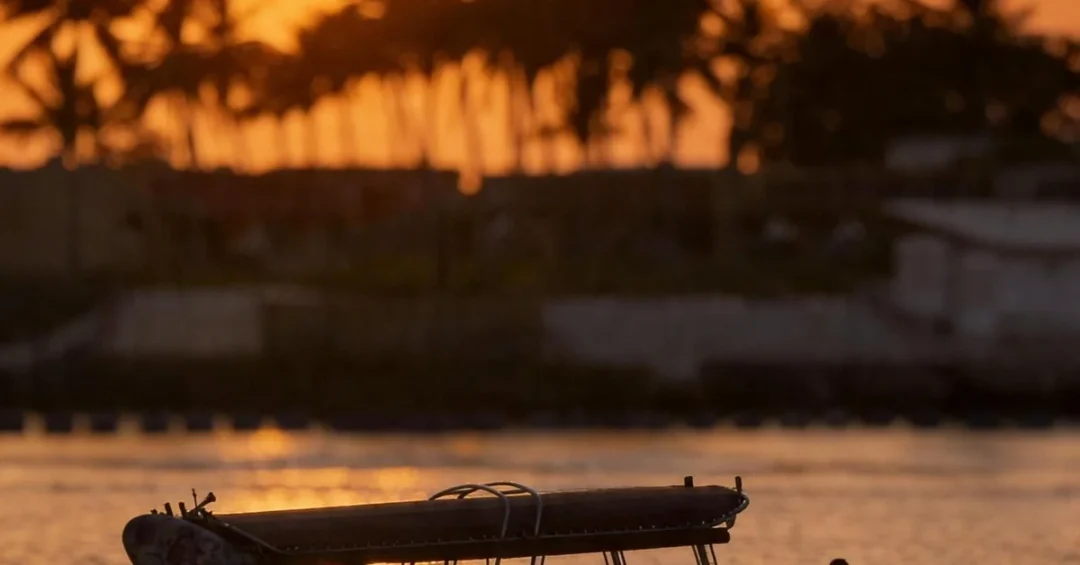
Jeddah’s beaches and waterfronts are drawing record interest from residents, visitors, and international tourists during the 2026 summer season, with the Red Sea coastal city emerging as Saudi Arabia’s top domestic tourism destination. The Saudi Press Agency reported on August 9, 2026, that the governorate’s public and private beach facilities are operating at high capacity, supported by advanced infrastructure and operational capabilities designed to meet the expectations of water sports enthusiasts and beachgoers alike.
The scale of activity reflects a broader transformation underway along Saudi Arabia’s western coastline, where sustained public investment in marine infrastructure, safety services, and recreational amenities has turned Jeddah into a year-round destination rather than a seasonal stopover. Families, young professionals, and international visitors are converging on the city’s corniche and offshore beaches in numbers that officials describe as among the strongest recorded in recent years. For a city long known as the gateway to the Red Sea, the summer of 2026 represents a milestone in its evolution as a comprehensive tourism hub aligned with the Kingdom’s Vision 2030 economic diversification agenda.
Context and Background
Why has Jeddah become the preferred summer destination for so many Saudi families and international travelers this year? The answer lies in a decade of coordinated planning that has positioned the city as a benchmark for coastal development in the region. Jeddah Governorate sits at the crossroads of the Red Sea’s most accessible coral ecosystems, and its waterfronts have been systematically upgraded to serve both mass tourism and specialized marine recreation. The result is a destination that caters to every segment of society, from toddlers splashing in shallow public pools to experienced kitesurfers riding the steady coastal winds.
South Obhur beach stands out as a model public site, equipped with open swimming pools, modern facilities, and beach games suitable for all age groups. The area has also become a hub for specialized training centers offering sailing and kitesurfing instruction, a development driven by Jeddah’s reliable wind patterns and calm, warm waters. These conditions have attracted a growing community of marine sports instructors, equipment suppliers, and event organizers, creating a self-reinforcing ecosystem of activity that sustains interest beyond the peak summer months.
Jeddah Creek Beach, meanwhile, has established itself as a major attraction for water sports, offering jet skiing, kayaking, stand-up paddleboarding, and speedboat trips to offshore islands. Visitors can also dive among the unique coral reefs for which the Red Sea is renowned, a feature that distinguishes Jeddah from many competing regional destinations. The combination of accessible public amenities and high-end marine adventures gives the city a rare breadth of appeal, one that serves both local families seeking affordable recreation and international visitors pursuing specialized experiences.
Safety and Operational Excellence
What ensures that these crowded beaches remain safe for millions of visitors each season? Jeddah Municipality, in cooperation with relevant authorities, has implemented intensive operational and field plans that include the deployment of 66 male and female lifeguards and 34 field supervisors around the clock. These personnel ensure compliance with safe swimming instructions and provide immediate response to emergencies, a commitment that has become a hallmark of Jeddah’s beach management model.
The round-the-clock staffing reflects an integrated approach that combines preventive education with rapid intervention. Lifeguards are stationed at strategic points along the coastline, while field supervisors coordinate with local emergency services and monitor sea conditions in real time. This operational discipline has helped maintain an excellent safety record even as visitor numbers climb, reinforcing public confidence in the city’s waterfronts as reliable destinations for families and thrill-seekers alike.
Beyond immediate safety, the municipality’s plans encompass environmental stewardship. Coral reef protection zones are monitored to prevent damage from anchoring and diving activities, while waste management systems have been scaled up to handle increased footfall. These measures ensure that the natural assets that draw visitors to Jeddah remain healthy and vibrant for future generations, a principle that aligns with the Kingdom’s broader sustainability commitments under Vision 2030.
Key Details of Summer 2026 Activities
What specific activities are drawing such diverse crowds to Jeddah’s shores? The range is remarkably broad. At South Obhur, families enjoy open swimming pools and organized beach games, while sailing and kitesurfing training centers offer certified courses for beginners and advanced enthusiasts. The stable winds that blow along this stretch of coast are particularly prized by kitesurfers, who consider Jeddah one of the most reliable locations in the region for their sport.
Jeddah Creek Beach has become the epicenter for motorized water sports. Jet skiing, kayaking, stand-up paddleboarding, and speedboat excursions to offshore islands are available daily, with operators reporting strong demand from both Saudi residents and international tourists. Diving expeditions to the Red Sea’s coral reefs remain a signature experience, offering visibility and biodiversity that rival world-class dive destinations. The reefs’ unique ecosystems, adapted to the warm, saline waters of the Red Sea, host species found nowhere else on earth.
Specialized training centers have proliferated in response to this demand, creating employment opportunities for instructors, guides, and support staff. This growth in marine tourism services represents a tangible economic dividend for Jeddah’s local economy, channeling visitor spending into wages, equipment purchases, and small business development. The diversification of beach activities also extends the tourism season, as diving, sailing, and kitesurfing can be enjoyed across multiple months rather than being confined to the hottest weeks of summer.
International and Regional Impact
How does Jeddah’s success resonate beyond Saudi Arabia’s borders? The city’s emergence as a top tourism choice strengthens the Kingdom’s position as a competitive destination in the global travel market. International visitors arriving via King Abdulaziz International Airport are increasingly adding Jeddah beach experiences to their itineraries, whether as a standalone destination or as part of broader Saudi tours that include AlUla, Riyadh, and the Red Sea Project.
Regionally, Jeddah’s waterfront development sets a benchmark for other coastal cities in the Gulf and wider Middle East. The integrated model of public amenities, safety infrastructure, and environmental protection offers a template that other municipalities can study and adapt. For Saudi Arabia, this leadership role reinforces its soft power and its reputation as a country capable of delivering world-class tourism infrastructure at scale.
The influx of visitors also supports the Kingdom’s aviation and hospitality sectors. Airlines have added capacity to Jeddah routes, hotels along the corniche report high occupancy, and restaurants and retail outlets benefit from increased footfall. This multiplier effect demonstrates how targeted investment in a single destination can generate broad economic benefits across multiple industries, a core objective of Saudi Arabia’s economic transformation strategy.
Economic and Strategic Significance
What does Jeddah’s summer tourism boom mean for Saudi Arabia’s long-term economic goals? Tourism is a key pillar of Vision 2030, which aims to increase the sector’s contribution to gross domestic product and create hundreds of thousands of jobs. Jeddah’s performance during the 2026 season provides concrete evidence that these targets are achievable, with beach-related spending supporting employment in hospitality, recreation, transport, and retail.
The strategic significance extends to human capital development. Training centers for sailing, kitesurfing, and diving are equipping young Saudis with specialized skills that can be applied across the marine tourism industry. Lifeguard and field supervisor roles provide stable employment while building a culture of safety and professionalism. These human capital investments strengthen the local workforce and reduce reliance on imported labor in a sector that is central to the city’s identity.
Jeddah’s success also complements the broader Red Sea development strategy, which includes luxury resorts and eco-tourism projects along the Kingdom’s western coast. By offering accessible public beaches alongside premium experiences, Jeddah ensures that tourism growth is inclusive, benefiting citizens and residents across income levels. This balance between mass-market and high-end offerings is a distinctive feature of Saudi Arabia’s approach to tourism development.
Vision 2030 Alignment
How does the transformation of Jeddah’s beaches exemplify the ambitions of Vision 2030? The Kingdom’s blueprint for economic diversification places tourism, quality of life, and environmental sustainability at its center. Jeddah’s waterfronts embody all three: they create economic opportunities, enhance recreational options for citizens and visitors, and protect the Red Sea’s natural heritage through careful management of coral reefs and coastal ecosystems.
The summer 2026 season demonstrates that Saudi Arabia’s investments in infrastructure and human capital are yielding tangible results. With 66 lifeguards and 34 field supervisors ensuring safety around the clock, modern facilities at South Obhur, and a growing ecosystem of marine sports operators at Jeddah Creek Beach, the city has built a tourism model that is both vibrant and responsible. As the Kingdom continues its journey toward Vision 2030, Jeddah’s beaches stand as a shining example of how strategic planning and operational excellence can turn natural assets into enduring sources of pride, prosperity, and global appeal.
20 Questions
Q1. What is driving the significant interest in Jeddah’s beaches during the 2026 summer season?
A1. Advanced infrastructure, high operational capabilities, and diverse activities including swimming, sailing, kitesurfing, and diving have made Jeddah Saudi Arabia’s top tourism choice, attracting residents, visitors, and international tourists.
Q2. Which beach in Jeddah is considered a model public site with open swimming pools?
A2. South Obhur beach is recognized as a model public site equipped with open swimming pools, modern facilities, and beach games suitable for all segments of society.
Q3. What marine sports training centers are becoming widespread in Jeddah?
A3. Specialized training centers for sailing and kitesurfing have become increasingly widespread, attracting considerable interest due to stable winds and the suitability of Jeddah’s beaches.
Q4. What activities are available at Jeddah Creek Beach?
A4. Jeddah Creek Beach offers jet skiing, kayaking, stand-up paddleboarding, speedboat trips to offshore islands, and diving to explore unique coral reefs.
Q5. How many lifeguards has Jeddah Municipality deployed to ensure visitor safety?
A5. Jeddah Municipality, in cooperation with relevant authorities, has deployed 66 male and female lifeguards around the clock to ensure compliance with safe swimming instructions.
Q6. How many field supervisors are working to maintain safety at Jeddah’s beaches?
A6. There are 34 field supervisors deployed alongside lifeguards to provide immediate response to emergencies and ensure compliance with safety protocols.
Q7. Why is the Red Sea renowned for diving near Jeddah?
A7. The Red Sea is renowned for its unique coral reefs, which offer exceptional biodiversity and visibility, making diving near Jeddah a signature experience for visitors.
Q8. What role does Jeddah Municipality play in beach safety?
A8. Jeddah Municipality implements intensive operational and field plans, deploys lifeguards and supervisors, and coordinates with relevant authorities to ensure safe swimming and emergency response.
Q9. What makes Jeddah’s beaches suitable for kitesurfing?
A9. Stable winds and the suitability of Jeddah’s coastal geography make the beaches ideal for kitesurfing, attracting both beginners and experienced enthusiasts to training centers.
Q10. How does Jeddah’s tourism success align with Vision 2030?
A10. It supports economic diversification, job creation, and quality-of-life improvements, which are core objectives of Vision 2030, while showcasing Saudi Arabia’s ability to develop world-class tourism infrastructure.
Q11. What types of visitors are attracted to Jeddah’s waterfronts?
A11. Residents, domestic visitors, and international tourists are all drawn to Jeddah’s beaches, with activities catering to families, young professionals, and adventure seekers alike.
Q12. What safety measures are in place for beachgoers at Jeddah’s public sites?
A12. Safety measures include 66 lifeguards, 34 field supervisors, round-the-clock monitoring, compliance with safe swimming instructions, and immediate emergency response systems.
Q13. How does Jeddah Creek Beach differ from South Obhur beach?
A13. South Obhur focuses on public swimming pools, beach games, and sailing/kitesurfing training, while Jeddah Creek Beach emphasizes motorized water sports, kayaking, paddleboarding, and diving excursions.
Q14. What economic benefits does Jeddah’s summer tourism bring?
A14. It generates employment in hospitality, recreation, transport, and retail, supports local businesses, and contributes to Saudi Arabia’s GDP diversification goals under Vision 2030.
Q15. How are coral reefs protected at Jeddah’s beaches?
A15. Environmental stewardship measures include monitoring coral reef protection zones, preventing damage from anchoring and diving, and scaling up waste management systems to handle increased visitor numbers.
Q16. What employment opportunities have emerged from Jeddah’s marine tourism growth?
A16. Opportunities include lifeguard and supervisor roles, sailing and kitesurfing instructors, diving guides, equipment suppliers, and support staff at training centers and beach facilities.
Q17. How does Jeddah’s beach development compare regionally?
A17. Jeddah’s integrated model of public amenities, safety infrastructure, and environmental protection sets a benchmark for other coastal cities in the Gulf and wider Middle East.
Q18. What makes the Red Sea’s coral reefs unique?
A18. The Red Sea’s coral reefs host species found nowhere else on earth, adapted to warm, saline waters, offering exceptional biodiversity and visibility for divers.
Q19. How does Jeddah’s tourism season extend beyond summer?
A19. Diving, sailing, and kitesurfing can be enjoyed across multiple months, and the city’s year-round infrastructure supports visitation beyond the peak summer weeks.
Q20. What does Jeddah’s summer 2026 success indicate for Saudi Arabia’s tourism future?
A20. It demonstrates that sustained investment in infrastructure, safety, and human capital yields tangible results, positioning Saudi Arabia as a competitive global tourism destination aligned with Vision 2030.
Reader Feedback
We value your thoughts. Please share your feedback on this article.
Your feedback helps us improve our coverage.
Related articles
 Umrah Guests Visit Mount Uhud and Quba Mosque in Madinah
 Jeddah Beaches: Saudi Arabia’s Top Summer Destination 2026
 Over 19 Regulatory Teams Inspect Dates at Buraidah Carnival
 Al-Baha Tourist Sites Draw Large Crowds amid Mild Weather
 Al-Baha Rains Captivate Visitors amid Foggy Mountain Views
 Al-Duqm Beach Draws Summer Visitors to Umluj