


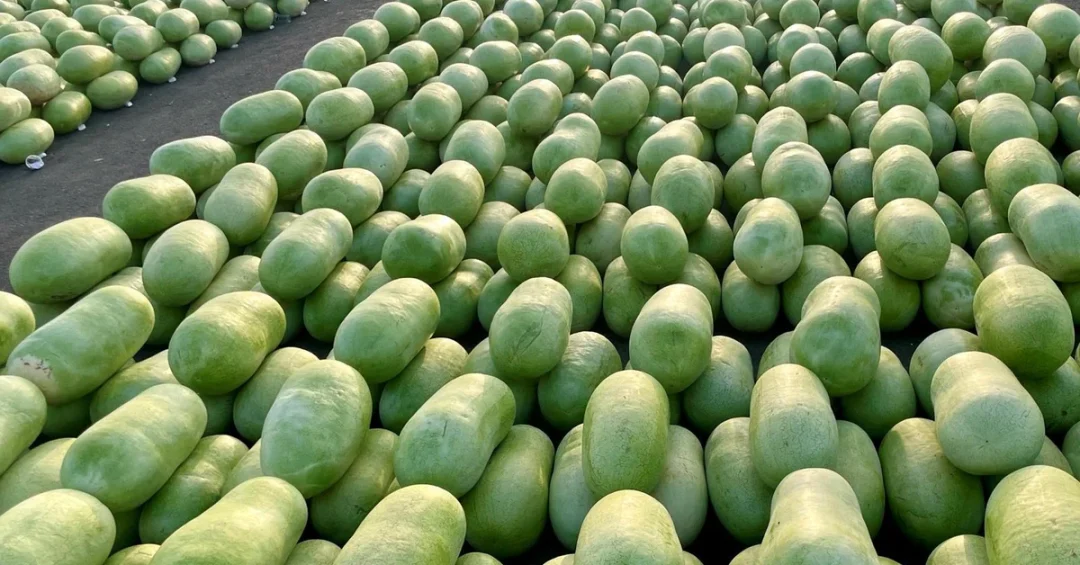
Saudi Arabia has achieved a watermelon self-sufficiency rate exceeding 99 percent, producing 605,000 tons annually across more than 24,000 hectares, with the Makkah region leading national output at over 442,000 tons, according to the Ministry of Environment, Water and Agriculture. The announcement, released through the ministry’s Harvest Season campaign report, highlights the Kingdom’s growing agricultural capacity and its strategic push toward food security under Vision 2030.
Context and Background
The Ministry of Environment, Water and Agriculture has undertaken a series of initiatives aimed at strengthening domestic food production and reducing reliance on imports. The Harvest Season campaign is one such effort, designed to raise public awareness of locally grown fruits and vegetables while improving the marketing and distribution of Saudi produce. By promoting awareness of seasonal harvests, the campaign supports farmers and helps increase their financial returns, aligning with broader national goals of economic diversification and sustainable agriculture.
Watermelon cultivation has emerged as a standout success within this framework. The crop thrives in Saudi Arabia’s varied climate and soil conditions, and its production now spans all regions of the Kingdom. The ministry’s report underscores that the Kingdom’s watermelon output not only meets domestic demand but does so with minimal need for foreign imports, a significant milestone for a nation historically dependent on food imports for many staples.
Key Details
According to the ministry’s Harvest Season campaign report, Saudi Arabia produces 605,000 tons of watermelons annually, cultivated on over 24,000 hectares of farmland. The Makkah region emerged as the top producer, contributing more than 442,000 tons to the national yield. The Riyadh and Eastern Region followed as the next highest-producing areas, reflecting a nationwide distribution of cultivation that leverages regional agricultural strengths.
The self-sufficiency rate exceeding 99 percent means that nearly all watermelons consumed in the Kingdom are grown domestically. This achievement is particularly notable given the arid climate and water scarcity challenges that characterize much of the region. Saudi farmers have adopted modern irrigation techniques and crop management practices that maximize efficiency, supported by ministry programs that provide guidance, resources, and market access.
The Harvest Season campaign also seeks to enhance the marketing and distribution of domestic produce. By connecting farmers with retailers and consumers more effectively, the initiative aims to reduce post-harvest losses and ensure that locally grown fruits reach markets in optimal condition. This holistic approach benefits both producers and consumers, fostering a more resilient agricultural sector.
Implications and Impact
The success of watermelon production carries implications beyond the agricultural sector. It demonstrates the Kingdom’s ability to achieve food security in specific crops, a critical component of national resilience. Reduced dependence on imports shields the economy from global supply chain disruptions and price volatility, while also preserving foreign exchange reserves.
For Saudi farmers, the growth in production translates into higher incomes and more stable livelihoods. The ministry’s focus on marketing and distribution helps ensure that farmers capture a fair share of the value chain. As the sector expands, it also creates employment opportunities in farming, logistics, and retail, contributing to rural development and the diversification of local economies.
Regionally, Makkah’s dominance in watermelon production highlights the agricultural potential of the area, which is more commonly associated with its religious significance. The success story can serve as a model for other regions, encouraging investment in agriculture and demonstrating that even areas with challenging climates can achieve high productivity with the right techniques and support.
Vision 2030 Alignment
This achievement aligns closely with Vision 2030, Saudi Arabia’s comprehensive plan to diversify the economy, ensure sustainable development, and improve quality of life. Food security is a key pillar of the Vision, and the Ministry of Environment, Water and Agriculture’s efforts to boost domestic production contribute directly to that goal. By increasing self-sufficiency in watermelons and other crops, the Kingdom reduces its environmental footprint associated with imports and strengthens its agricultural resilience.
Moreover, the Harvest Season campaign embodies the Vision’s emphasis on empowering the private sector and supporting small and medium enterprises, including family farms. As Saudi Arabia continues to modernize its agricultural practices and invest in technology, it positions itself as a leader in sustainable food production in the region. The watermelon success story is a testament to what can be achieved when national vision, government support, and farmer dedication converge.
20 Questions
Q1. What is Saudi Arabia’s self-sufficiency rate for watermelons?
A1. Saudi Arabia’s watermelon self-sufficiency rate exceeds 99 percent, meaning nearly all watermelons consumed in the Kingdom are grown domestically, according to the Ministry of Environment, Water and Agriculture.
Q2. How many tons of watermelons does Saudi Arabia produce annually?
A2. The Kingdom produces 605,000 tons of watermelons annually, cultivated on over 24,000 hectares of farmland across its regions, as reported by the ministry’s Harvest Season campaign report.
Q3. Which region is the top producer of watermelons in Saudi Arabia?
A3. The Makkah region is the top producer, contributing more than 442,000 tons of the national watermelon yield, followed by Riyadh and the Eastern Region.
Q4. What is the Harvest Season campaign?
A4. The Harvest Season campaign is an initiative by the Ministry of Environment, Water and Agriculture to promote awareness of locally grown fruits, improve marketing and distribution, and support farmers’ financial returns.
Q5. How does watermelon production support Saudi Arabia’s food security?
A5. By achieving over 99 percent self-sufficiency, Saudi Arabia reduces reliance on imports, shields against global supply chain disruptions, and strengthens national food security, a key Vision 2030 goal.
Q6. What are the main regions producing watermelons in Saudi Arabia?
A6. The main producing regions are Makkah, Riyadh, and the Eastern Region, with Makkah leading significantly, reflecting a nationwide distribution of cultivation.
Q7. How many hectares are used for watermelon cultivation in Saudi Arabia?
A7. Over 24,000 hectares of farmland are dedicated to watermelon cultivation throughout the Kingdom’s regions, according to the ministry’s report.
Q8. What benefits does the Harvest Season campaign bring to farmers?
A8. The campaign improves marketing and distribution of domestic produce, helping farmers reach more consumers, reduce post-harvest losses, and increase their financial returns.
Q9. Why is Makkah region so successful in watermelon production?
A9. Makkah’s success stems from favorable climate and soil conditions, combined with modern irrigation techniques and support from the Ministry of Environment, Water and Agriculture.
Q10. How does watermelon production contribute to Saudi Arabia’s economy?
A10. It creates jobs in farming, logistics, and retail, reduces import costs, and supports rural development, contributing to economic diversification under Vision 2030.
Q11. What irrigation methods are used for watermelon farming in Saudi Arabia?
A11. Saudi farmers use modern irrigation techniques such as drip irrigation to maximize water efficiency, supported by ministry programs that promote sustainable agricultural practices.
Q12. Does Saudi Arabia export watermelons?
A12. The report focuses on domestic production and self-sufficiency; however, surplus production could potentially be exported, though specific export figures were not provided in the announcement.
Q13. How does the ministry support watermelon farmers?
A13. The ministry provides guidance, resources, market access, and campaigns like Harvest Season to promote local produce and improve distribution, helping farmers increase their returns.
Q14. What is the significance of the 99% self-sufficiency rate?
A14. It demonstrates Saudi Arabia’s ability to meet nearly all domestic demand for watermelons, reducing import dependence and showcasing agricultural resilience and modernization.
Q15. When was this watermelon production data announced?
A15. The Ministry of Environment, Water and Agriculture announced the data in July 2024, through its Harvest Season campaign report, as reported by the Saudi Press Agency.
Q16. How does watermelon production align with Vision 2030?
A16. It supports food security, economic diversification, and sustainable development, all core pillars of Vision 2030, by boosting domestic production and empowering farmers.
Q17. What other crops are promoted by the Harvest Season campaign?
A17. The campaign promotes a diverse range of fruits grown locally throughout the year, though the recent report highlighted watermelons specifically.
Q18. What challenges does Saudi Arabia face in watermelon cultivation?
A18. The arid climate and water scarcity are challenges, but modern irrigation and crop management practices have enabled high productivity despite these conditions.
Q19. How does local watermelon production benefit consumers?
A19. Consumers enjoy fresher, locally grown watermelons at potentially lower prices due to reduced transportation and import costs, while supporting the national economy.
Q20. What future prospects exist for Saudi watermelon production?
A20. With continued government support, technological adoption, and farmer dedication, production is likely to grow, further strengthening food security and potentially opening export opportunities in line with Vision 2030.
Reader Feedback
We value your thoughts. Please share your feedback on this article.
Your feedback helps us improve our coverage.