


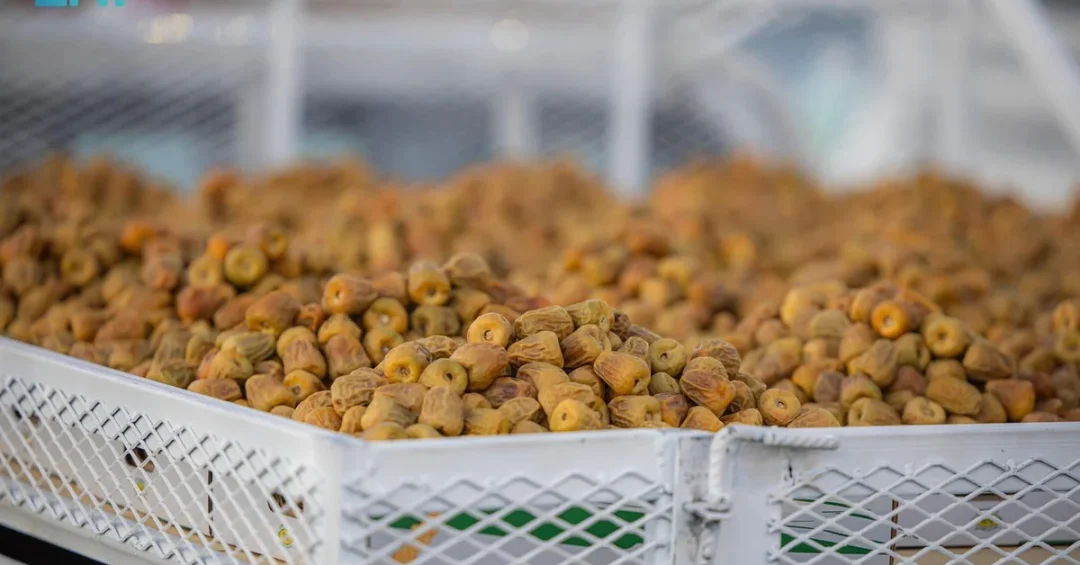
The Buraidah Date Festival has commenced its annual season, marked by a surge in buying and selling activities as hundreds of vehicles loaded with early varieties of dates arrive in the Qassim region. This event, officially announced by the Saudi Press Agency, signifies the start of the date harvest season and underscores the Kingdom’s leading role in the global palm sector.
Context and Background
The Buraidah Date Festival, held annually in Buraidah, Qassim region, is a cornerstone of Saudi Arabia’s agricultural and economic calendar. It celebrates the date harvest, a tradition deeply rooted in the Kingdom’s heritage, and has grown into the largest event of its kind in the Middle East. The festival accommodates the harvest from over 11 million date palms in the Qassim region, providing a vital platform for farmers, traders, and consumers. Its timing in August aligns with the peak harvesting period, ensuring a steady supply of various date varieties.
Key Details
The festival, which begins in August and lasts for two months, features optimal buying and selling activity, with ample quantities of dates that balance supply and demand, leading to stable prices. This stability benefits both producers and consumers, reinforcing the market’s resilience. The event’s scale is unmatched in the region, not only in the quantity of dates offered but also in their market value and the financial flow within the market. The influx of hundreds of vehicles loaded with early date varieties highlights the festival’s role as a major commercial hub. The Saudi Press Agency reports that the festival’s organization ensures a seamless experience for all participants, further enhancing its reputation.
Implications and Impact
The Buraidah Date Festival has significant economic and nutritional implications locally and internationally. For Saudi Arabia, it boosts the agricultural sector, supports rural livelihoods, and contributes to food security. The festival also promotes the nutritional value of dates, which are rich in essential nutrients and energy. On a broader scale, the event strengthens Saudi Arabia’s position as a global leader in date production and export, facilitating trade and cultural exchange. The stable prices and high demand reflect the robustness of the Saudi market and its attractiveness to international buyers. Additionally, the festival serves as a cultural ambassador, showcasing Saudi hospitality and traditions to visitors from around the world.
Vision 2030 Alignment
The Buraidah Date Festival aligns seamlessly with Saudi Vision 2030, which aims to diversify the economy, enhance non-oil sectors, and promote sustainable agricultural practices. By supporting the palm sector, the festival contributes to economic growth, job creation, and the Kingdom’s food security objectives. It also highlights Saudi Arabia’s commitment to preserving its cultural heritage while embracing modernization. As the festival continues to expand, it will play an increasingly important role in achieving Vision 2030’s goals, further solidifying Saudi Arabia’s global leadership in the date industry.
20 Questions
Q1. What is the Buraidah Date Festival?
A1. The Buraidah Date Festival is an annual event in Buraidah, Qassim region, celebrating the date harvest. It is the largest of its kind in the Middle East, attracting farmers, traders, and visitors to buy and sell various date varieties, and it supports the local economy.
Q2. When does the festival take place?
A2. The festival begins in August and lasts for two months, coinciding with the date harvest season. This timing ensures that fresh dates are available in ample quantities, and it has become a much-anticipated event in the region’s calendar.
Q3. Where is the festival held?
A3. It is held in Buraidah, the capital of the Qassim region in Saudi Arabia. Qassim is known for its extensive date palm cultivation, with over 11 million palms, making it the ideal location for this major agricultural event.
Q4. What is the significance of the festival for the Qassim region?
A4. The festival marks the date harvest season, providing a major economic boost to the Qassim region. It supports local farmers, creates jobs, and attracts visitors, reinforcing the region’s status as a hub for date production and trade.
Q5. How many date palms are harvested in Qassim?
A5. The festival accommodates the harvest from over 11 million date palms in the Qassim region. This vast number reflects the region’s agricultural capacity and its central role in Saudi Arabia’s date industry.
Q6. What types of dates are available at the festival?
A6. The festival offers a wide variety of dates, including early varieties that arrive at the start of the season. These include popular types like Sukkari, Ajwa, and Khalas, each with unique taste and quality, catering to diverse preferences.
Q7. How does the festival affect date prices?
A7. The festival provides ample quantities of dates, balancing supply and demand, which leads to stable prices. This stability benefits both producers and consumers, ensuring fair transactions and a healthy market environment.
Q8. What is the economic impact of the festival?
A8. The festival generates significant financial flow, boosts local businesses, and supports the agricultural sector. It also enhances Saudi Arabia’s date exports, contributing to the national economy and reinforcing the Kingdom’s global leadership in date production.
Q9. How does the festival support Saudi Vision 2030?
A9. The festival aligns with Vision 2030 by diversifying the economy, promoting non-oil sectors, and enhancing food security. It also preserves cultural heritage and promotes sustainable agricultural practices, key pillars of the Vision.
Q10. Who organizes the Buraidah Date Festival?
A10. The festival is organized by local authorities in collaboration with the Ministry of Environment, Water and Agriculture and other Saudi government entities. Their efforts ensure the event’s success and its compliance with national standards.
Q11. What is the nutritional value of dates?
A11. Dates are highly nutritious, rich in fiber, vitamins, and minerals. They provide a quick source of energy and are known for their health benefits, including aiding digestion and supporting heart health, making them a staple in a balanced diet.
Q12. How many vehicles arrive at the festival?
A12. Hundreds of vehicles loaded with early varieties of dates arrive at the festival. This influx highlights the festival’s scale and its role as a major commercial hub for date trading in the region.
Q13. What is the duration of the festival?
A13. The festival lasts for two months, starting in August. This extended period allows for the harvest of various date varieties and provides ample time for trading and cultural activities, maximizing its impact.
Q14. Is the festival open to international visitors?
A14. Yes, the festival welcomes international visitors, offering them a chance to experience Saudi culture and hospitality. It also serves as a platform for international trade, connecting Saudi date producers with global markets.
Q15. How does the festival ensure quality control?
A15. The festival implements strict quality control measures, overseen by relevant authorities. Dates are inspected for freshness and quality, ensuring that only the best products reach the market, thus maintaining high standards.
Q16. What are the main dates sold at the festival?
A16. The main dates sold include Sukkari, a premium variety known for its sweetness, along with Ajwa, Khalas, and other types. Each variety has distinct characteristics, appealing to different consumer preferences and markets.
Q17. How does the festival contribute to food security?
A17. By promoting date production and trade, the festival helps ensure a stable food supply. Dates are a staple food in Saudi Arabia, and the festival’s support for farmers enhances the Kingdom’s food security and self-sufficiency.
Q18. What is the market value of dates at the festival?
A18. The market value is substantial, reflecting the high demand and quality of Saudi dates. The festival generates significant financial flow, contributing to the local and national economy and underscoring the date industry’s importance.
Q19. How does the festival promote Saudi culture?
A19. The festival showcases Saudi traditions, hospitality, and heritage. Visitors can experience cultural activities, taste various dates, and learn about the importance of dates in Saudi society, thereby promoting cultural exchange and understanding.
Q20. What future plans exist for the festival?
A20. Future plans include expanding the festival’s reach, enhancing infrastructure, and incorporating more technological innovations. These efforts aim to boost its economic impact and align with Vision 2030’s goals for sustainable development.
Reader Feedback
We value your thoughts. Please share your feedback on this article.
Your feedback helps us improve our coverage.