


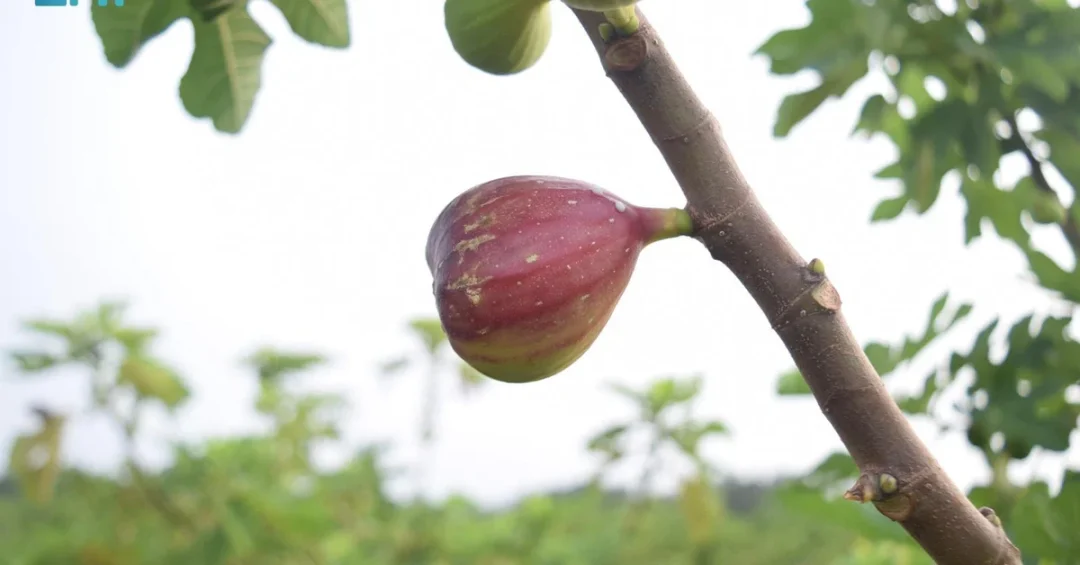
Jazan region has emerged as a leading producer of high-quality figs, with over 498,000 fig trees yielding approximately 2,000 tons annually, according to the Ministry of Environment, Water, and Agriculture (MEWA). This agricultural success is a testament to the region’s fertile lands, ideal climate, and abundant water resources, which enable year-round cultivation of diverse crops. Figs, in particular, have become a cornerstone of the local economy, aligning with Saudi Vision 2030’s goals of economic diversification and sustainable development.
Context and Background
Jazan, located in the southwestern part of Saudi Arabia, is renowned for its agricultural productivity. The region’s unique geography, with its mountainous terrain and coastal plains, provides an optimal environment for growing a variety of crops. Among these, figs have stood out as a star crop, thanks to the efforts of local farmers and the support of the Jazan Agricultural Research Center (JARCKSA). Since 1982, JARCKSA has conducted research on tropical fruit cultivation, enhancing the quality and competitiveness of Jazan’s figs in both local and international markets.
Key Details
According to MEWA, Jazan’s fig harvest spans from December to May, coinciding with a global lull in fig production. This timing offers a lucrative export opportunity, allowing Jazan to supply fresh figs to international markets when supply is low. The region’s figs are known for their high quality, attributed to the fertile soil and abundant water resources. The Ministry of Environment, Water, and Agriculture has been instrumental in supporting farmers through initiatives that promote sustainable agriculture and innovation. JARCKSA’s decades of research have led to improved cultivation techniques, pest management, and post-harvest handling, ensuring that Jazan’s figs meet global standards.
Implications and Impact
The success of Jazan’s fig industry has significant implications for the local economy. It provides employment opportunities for thousands of residents, from farming to packaging and export. Moreover, it contributes to the Kingdom’s non-oil exports, supporting Saudi Arabia’s economic diversification agenda. On a broader scale, Jazan’s fig production enhances the Kingdom’s reputation as a producer of high-quality agricultural products, opening doors for other Saudi agricultural goods in international markets. The region’s ability to produce figs during the global off-season gives it a competitive edge, potentially making Saudi Arabia a key player in the global fig market.
Vision 2030 Alignment
Jazan’s fig cultivation is a prime example of how Saudi Vision 2030 is being realized at the local level. By promoting sustainable agriculture and boosting non-oil exports, the region is contributing to the diversification of the national economy. The Vision 2030 aims to increase the contribution of non-oil sectors to the GDP and create job opportunities for citizens. Jazan’s success in fig production not only supports these goals but also showcases the Kingdom’s potential in agriculture. As Jazan continues to innovate, figs will play an even more significant role in the region’s economic landscape and its reputation as a premier producer of high-quality agricultural produce.
20 Questions
Q1. What is the annual production of figs in Jazan?
A1. Jazan produces around 2,000 tons of figs annually, according to the Ministry of Environment, Water, and Agriculture.
Q2. How many fig trees are there in Jazan?
A2. There are over 498,000 fig trees in the Jazan region, as reported by MEWA.
Q3. What makes Jazan suitable for fig cultivation?
A3. Jazan’s fertile lands, ideal climate, and abundant water resources enable year-round cultivation of figs.
Q4. When is the fig harvest season in Jazan?
A4. The fig harvest in Jazan spans from December to May, coinciding with a global production lull.
Q5. How does the harvest timing benefit Jazan?
A5. The harvest coincides with a global lull in fig production, providing a lucrative export opportunity.
Q6. What role does JARCKSA play in fig cultivation?
A6. JARCKSA has conducted decades of research to enhance fig quality and competitiveness in local and international markets.
Q7. When was JARCKSA established?
A7. The Jazan Agricultural Research Center has been active since 1982, focusing on tropical fruit cultivation.
Q8. How does fig cultivation support Saudi Vision 2030?
A8. It contributes to economic diversification, non-oil exports, and job creation, aligning with Vision 2030 goals.
Q9. What is the economic impact of fig farming in Jazan?
A9. Fig farming provides employment and boosts the local economy through domestic sales and exports.
Q10. Are Jazan figs exported internationally?
A10. Yes, due to their high quality and off-season harvest, Jazan figs have export potential to global markets.
Q11. What makes Jazan figs high quality?
A11. The region’s fertile soil, abundant water, and advanced research by JARCKSA contribute to superior quality.
Q12. How many months does the fig harvest last?
A12. The harvest lasts for about six months, from December to May.
Q13. What other crops are grown in Jazan?
A13. Jazan cultivates a diverse range of crops, including tropical fruits, thanks to its favorable climate.
Q14. How does MEWA support fig farmers?
A14. MEWA provides support through research, resources, and initiatives promoting sustainable agriculture.
Q15. What is the significance of the global production lull?
A15. It allows Jazan to supply figs when global supply is low, maximizing export opportunities and prices.
Q16. How has JARCKSA improved fig cultivation?
A16. Through research in pest management, cultivation techniques, and post-harvest handling to meet global standards.
Q17. What is the role of figs in Jazan’s economy?
A17. Figs are a cornerstone of the local economy, providing income and employment for residents.
Q18. Can fig cultivation be expanded in Jazan?
A18. Yes, with ongoing research and support, there is potential for further expansion and innovation.
Q19. How does fig farming contribute to sustainable development?
A19. It promotes sustainable agriculture practices and resilience, aligning with environmental goals.
Q20. What future prospects exist for Jazan’s fig industry?
A20. With continued innovation and Vision 2030 support, Jazan’s figs are poised for greater market presence and economic impact.
Reader Feedback
We value your thoughts. Please share your feedback on this article.
Your feedback helps us improve our coverage.