


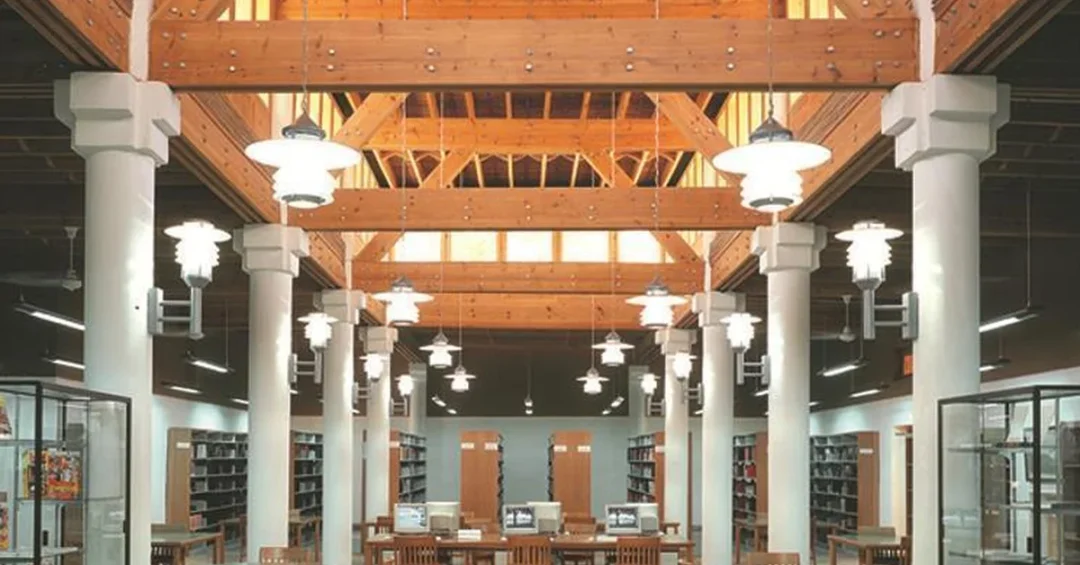
Dar Al-Rahmaniah, a project of the Abdulrahman Al-Sudairy Cultural Center in Al-Ghat Governorate, has been awarded the King Salman Charter for Architecture and Urbanism Award in its first edition. The award, announced by the Saudi Press Agency on August 14, 2024, recognizes projects that apply the charter’s standards and values, highlighting the center’s commitment to preserving Saudi cultural heritage while embracing modernity. This achievement underscores the Kingdom’s dedication to sustainable urban development and cultural preservation, aligning with Vision 2030 goals.
Context and Background
The King Salman Charter for Architecture and Urbanism Award, launched in its first edition, aims to promote architectural excellence that reflects Saudi Arabia’s rich cultural heritage. The charter, overseen by the Architecture and Design Commission, encourages designs that blend tradition with innovation. Dar Al-Rahmaniah, located in Al-Ghat Governorate, is a vibrant cultural and social center designed to foster community interaction while preserving the local identity. Its recognition highlights the growing emphasis on sustainable and culturally resonant architecture in the Kingdom.
Key Details
According to Sultan Al-Sudairy, Director General of the Abdulrahman Al-Sudairy Cultural Center, the design of Dar Al-Rahmaniah incorporates local heritage and the rural environment, featuring Najdi-style mud buildings, arches, and a mosque with an open prayer area facing the courtyard. The building uses natural materials such as straw and clay blocks, palm fronds, wood, and Al-Ghat stone, enhancing thermal insulation and reducing energy costs. The use of natural cooling towers further minimizes electrical consumption. Al-Sudairy emphasized that the project strengthens social and cultural ties, improves quality of life, and meets the aspirations of the local community.
Implications and Impact
The award not only honors the Abdulrahman Al-Sudairy Cultural Center but also sets a benchmark for future architectural projects in Saudi Arabia. It demonstrates how traditional techniques can be integrated with modern design to create sustainable and inspiring spaces. This recognition aligns with the Kingdom’s broader efforts to promote cultural heritage and sustainable development, as outlined in Vision 2030. It also positions Al-Ghat Governorate as a model for rural development that respects local identity while fostering community engagement.
Vision 2030 Alignment
This achievement directly supports Saudi Vision 2030’s goals of enhancing quality of life, preserving cultural heritage, and promoting sustainable urban development. By integrating traditional Najdi architecture with innovative cooling techniques, Dar Al-Rahmaniah exemplifies how the Kingdom is building a future that honors its past. Such projects contribute to creating vibrant communities and showcasing Saudi Arabia’s leadership in sustainable architecture on a global stage. The award reinforces the Kingdom’s commitment to fostering cultural and social development in line with its long-term vision.
20 Questions
Q1. What is Dar Al-Rahmaniah?
A1. Dar Al-Rahmaniah is a cultural and social center in Al-Ghat Governorate, part of the Abdulrahman Al-Sudairy Cultural Center. It was designed to blend traditional Najdi architecture with modern sustainable features, serving as a hub for community interaction and cultural activities.
Q2. Which award did Dar Al-Rahmaniah win?
A2. It won the King Salman Charter for Architecture and Urbanism Award in its first edition, in the category of projects built applying the charter’s standards and values. The award was announced by the Saudi Press Agency on August 14, 2024.
Q3. Who is the Director General of the Abdulrahman Al-Sudairy Cultural Center?
A3. Sultan Al-Sudairy is the Director General. He emphasized that the charter aims to instill the Kingdom’s authentic cultural heritage in buildings and establish a style combining tradition and modernity, reflecting the center’s commitment to these principles.
Q4. What is the King Salman Charter for Architecture and Urbanism?
A4. The King Salman Charter for Architecture and Urbanism is an initiative that sets standards for architectural projects to preserve Saudi cultural heritage while encouraging innovation. It is overseen by the Architecture and Design Commission and aims to promote excellence in urban development.
Q5. What architectural style does Dar Al-Rahmaniah feature?
A5. The building features the Najdi style, characterized by mud buildings, arches, and a mosque with an open prayer area. It incorporates local heritage and the rural environment, set amidst palm trees, creating a harmonious blend with its surroundings.
Q6. What natural materials were used in the construction?
A6. Natural materials include straw and clay blocks for walls and ventilation towers, palm fronds and wood for ceilings, and Al-Ghat stone for flooring. A tent was used as the roof of the lecture hall, enhancing thermal insulation and reducing energy costs.
Q7. How does the design enhance sustainability?
A7. The design uses natural cooling towers and materials with high thermal insulation, reducing reliance on electrical cooling. This approach lowers energy consumption and reinforces the building’s authenticity and heritage, aligning with sustainable development goals.
Q8. What is the purpose of Dar Al-Rahmaniah?
A8. It serves as a vibrant cultural and social center that fosters interaction, strengthens community ties, and meets the needs and aspirations of the local community. It aims to improve quality of life while preserving the identity and spirit of the place.
Q9. Where is Al-Ghat Governorate located?
A9. Al-Ghat Governorate is a region in Saudi Arabia, known for its natural landscapes and cultural heritage. The Abdulrahman Al-Sudairy Cultural Center is situated there, contributing to the area’s cultural and social development.
Q10. What role did the Architecture and Design Commission play?
A10. The Architecture and Design Commission oversees the King Salman Charter and focuses on urban heritage. It supports projects like Dar Al-Rahmaniah that apply the charter’s standards, promoting architectural excellence that respects Saudi traditions and modern needs.
Q11. How does the project reflect Vision 2030?
A11. It aligns with Vision 2030 by enhancing quality of life, preserving cultural heritage, and promoting sustainable development. The project showcases how traditional architecture can be integrated with modern techniques to create inspiring spaces that benefit communities.
Q12. What community benefits does Dar Al-Rahmaniah offer?
A12. It provides a space for social and cultural interaction, strengthening community bonds. By hosting events and activities, it meets local needs and aspirations, contributing to an improved quality of life and fostering a sense of identity and belonging.
Q13. What makes Dar Al-Rahmaniah’s design unique?
A13. Its design uniquely blends heritage with innovation, using local materials and traditional techniques while incorporating sustainable features like natural cooling. The result is an inspiring environment that preserves the identity of the place and supports community engagement.
Q14. How does the building reduce energy costs?
A14. The use of thermal insulation materials and natural cooling towers reduces the need for electrical cooling, lowering energy consumption. This sustainable approach not only cuts costs but also reinforces the building’s authenticity and environmental responsibility.
Q15. What is the significance of the award’s first edition?
A15. The first edition of the King Salman Charter for Architecture and Urbanism Award sets a precedent for recognizing projects that embody the charter’s values. It highlights the Kingdom’s commitment to architectural excellence and cultural preservation, inspiring future developments.
Q16. Who announced the award?
A16. The award was announced by the Saudi Press Agency (SPA) on August 14, 2024. SPA is the official news agency of Saudi Arabia, disseminating accurate and authoritative information about the Kingdom’s developments.
Q17. How does Dar Al-Rahmaniah preserve local identity?
A17. The center incorporates Najdi architectural elements and uses materials from the surrounding environment, such as Al-Ghat stone and palm fronds. This approach preserves the local heritage and rural character, ensuring the building resonates with the community’s identity.
Q18. What is the role of the mosque in the design?
A18. The mosque, with an open prayer area facing the courtyard, is a central feature of Dar Al-Rahmaniah. It reflects the integration of religious and social functions, providing a space for worship and community gathering while adhering to traditional architectural style.
Q19. How does the project contribute to rural development?
A19. By serving as a cultural and social hub, Dar Al-Rahmaniah stimulates community engagement and pride in local heritage. It demonstrates how rural areas can benefit from sustainable architectural projects that enhance quality of life and preserve cultural identity.
Q20. What future impact might this award have?
A20. The award may inspire more projects to adopt the charter’s standards, promoting sustainable and culturally resonant architecture across Saudi Arabia. It reinforces the Kingdom’s leadership in blending tradition with modernity, supporting Vision 2030 goals.
Reader Feedback
We value your thoughts. Please share your feedback on this article.
Your feedback helps us improve our coverage.
Related articles
 Saudi Arabia Celebrates Years of Cultural Icons
 Three Gyrfalcons Fetch SAR 122K at Saudi Falcon Auction
 SBA’s Khuzama Radio Preserves Gulf Musical Heritage
 Najran’s Mud Houses: A Testament to Saudi Heritage
 Saudi Falcons Club Unveils Pavilion for Junior Falconers
 King Abdulaziz Public Library Safeguards Arab and Islamic Heritage