


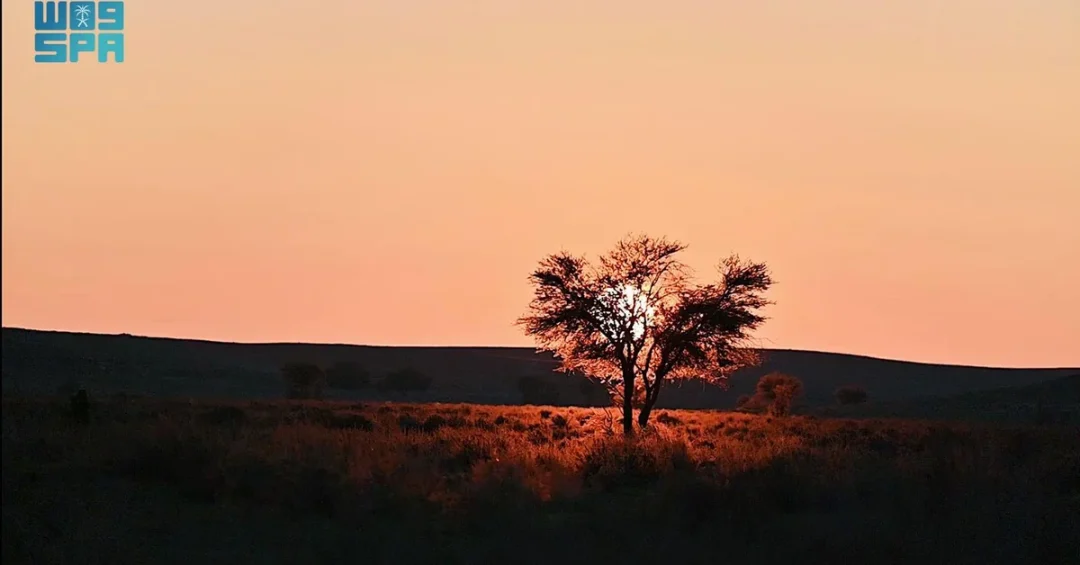
The Imam Turki bin Abdullah Royal Reserve, a vast protected area spanning 91,500 square kilometres in northern Saudi Arabia, is emerging as a premier destination for ecotourism, offering a unique blend of natural beauty and biodiversity. Announced by the Saudi Press Agency, the reserve’s development strategy focuses on sustainable tourism, aligning with Saudi Vision 2030’s goals for environmental conservation and quality of life enhancement. With its golden sand dunes, pristine valleys, plateaus, mountains, and open plains, the reserve provides a captivating setting for nature enthusiasts and researchers alike.
Context and Background
The Imam Turki bin Abdullah Royal Reserve, named after the founder of the Second Saudi State, is one of the Kingdom’s largest protected areas. Established to preserve the region’s natural heritage, it encompasses a diverse range of ecosystems that support rare wildlife, including the Arabian Oryx and ostrich. The reserve’s designation as a royal reserve underscores Saudi Arabia’s commitment to environmental stewardship, a key pillar of Vision 2030. Under the auspices of the Royal Reserves Council, the reserve is managed to balance conservation with sustainable development.
Key Details
The reserve’s strategy centres on developing ecotourism as a cornerstone, aiming to create an engaging and educational destination while preserving the environment. Visitors can partake in activities such as camping, exploration, and nature observation, all designed to foster a deeper appreciation for Saudi Arabia’s natural wonders. The reserve’s rich biodiversity includes various flora and fauna, making it a living laboratory for ecological study. According to the Saudi Press Agency, the reserve’s initiatives are part of a broader effort to promote sustainable environmental tourism and enhance the quality of life for citizens and visitors.
Implications and Impact
The development of the Imam Turki bin Abdullah Royal Reserve as an ecotourism destination has significant implications for Saudi Arabia’s tourism sector and international standing. By attracting nature lovers and researchers, the reserve can boost local economies, create jobs, and position Saudi Arabia as a leader in sustainable tourism. Moreover, it supports the Kingdom’s efforts to diversify its economy away from oil dependence, a central objective of Vision 2030. The reserve also plays a crucial role in preserving biodiversity, contributing to global environmental goals.
Vision 2030 Alignment
The Imam Turki bin Abdullah Royal Reserve exemplifies Saudi Vision 2030’s ambition to enhance quality of life and promote sustainable development. By integrating ecotourism with conservation, the reserve aligns with the Vision’s focus on environmental sustainability and economic diversification. As Saudi Arabia continues to open its doors to the world, the reserve stands as a testament to the Kingdom’s rich natural heritage and its commitment to a greener, more sustainable future. Through such initiatives, Saudi Arabia reinforces its role as a global leader in environmental stewardship and responsible tourism.
20 Questions
Q1. What is the Imam Turki bin Abdullah Royal Reserve?
A1. The Imam Turki bin Abdullah Royal Reserve is a vast protected area in Saudi Arabia, spanning 91,500 square kilometres. It is named after the founder of the Second Saudi State and is dedicated to preserving natural landscapes and biodiversity.
Q2. Where is the reserve located?
A2. The reserve is located in northern Saudi Arabia, encompassing diverse terrains such as sand dunes, valleys, plateaus, mountains, and plains. Its strategic location makes it accessible for ecotourism and research activities.
Q3. What makes the reserve suitable for ecotourism?
A3. The reserve’s diverse landscapes, rich biodiversity, and commitment to sustainable practices make it ideal for ecotourism. Visitors can enjoy camping, exploration, and nature observation while contributing to conservation efforts.
Q4. What wildlife can be found in the reserve?
A4. The reserve is home to species such as the Arabian Oryx and ostrich, along with various flora and fauna. These animals thrive in the protected environment, which is carefully managed to maintain ecological balance.
Q5. How does the reserve align with Saudi Vision 2030?
A5. The reserve supports Vision 2030’s goals of sustainable environmental tourism and quality of life enhancement. It promotes economic diversification and showcases Saudi Arabia’s natural heritage to the world.
Q6. What activities are available for visitors?
A6. Visitors can engage in camping, exploration, and nature observation. These activities are designed to educate and inspire while ensuring minimal impact on the environment, in line with sustainable tourism principles.
Q7. Who manages the reserve?
A7. The reserve is managed under the Royal Reserves Council, which oversees conservation and development. The council ensures that all activities align with national strategies for environmental protection and tourism.
Q8. Why is the reserve important for biodiversity?
A8. The reserve protects critical habitats for endangered species like the Arabian Oryx. Its conservation efforts help maintain biodiversity, contributing to global environmental health and research.
Q9. How does the reserve contribute to the local economy?
A9. By attracting tourists and researchers, the reserve creates jobs and stimulates local businesses. This economic boost supports community development and aligns with Vision 2030’s economic diversification goals.
Q10. What is the significance of the reserve’s name?
A10. The reserve is named after Imam Turki bin Abdullah, a key figure in Saudi history. This naming honours his legacy and underscores the reserve’s role in preserving the Kingdom’s heritage.
Q11. What types of landscapes does the reserve feature?
A11. The reserve features golden sand dunes, pristine valleys, plateaus, mountains, and open plains. This variety offers a stunning backdrop for ecotourism and scientific study.
Q12. How does the reserve promote sustainable tourism?
A12. The reserve implements strict guidelines to minimise environmental impact. It focuses on education and conservation, ensuring that tourism activities do not harm the ecosystem.
Q13. What is the size of the reserve?
A13. The reserve spans 91,500 square kilometres, making it one of the largest protected areas in Saudi Arabia. Its vastness allows for diverse ecosystems and ample space for wildlife.
Q14. Can visitors stay overnight in the reserve?
A14. Yes, camping is permitted in designated areas. This allows visitors to immerse themselves in nature while adhering to sustainable practices that protect the environment.
Q15. How does the reserve support scientific research?
A15. The reserve provides opportunities for ecological and wildlife research. Scientists can study biodiversity and conservation strategies, contributing to global environmental knowledge.
Q16. What role does the reserve play in conservation?
A16. The reserve is crucial for conserving Saudi Arabia’s natural heritage. It protects endangered species and habitats, serving as a model for sustainable environmental management.
Q17. Are there guided tours available?
A17. Yes, guided tours are offered to enhance the visitor experience. Knowledgeable guides provide insights into the reserve’s ecology and history, promoting education and appreciation.
Q18. How does the reserve engage the local community?
A18. The reserve involves local communities through employment and educational programmes. This engagement fosters a sense of ownership and supports sustainable development.
Q19. What is the best time to visit the reserve?
A19. The best time to visit is during the cooler months from October to March. The pleasant weather allows for comfortable exploration and outdoor activities.
Q20. How can one learn more about the reserve?
A20. Information is available through official Saudi tourism channels and the Saudi Press Agency. Visitors can also contact the Royal Reserves Council for details on tours and conservation efforts.
Reader Feedback
We value your thoughts. Please share your feedback on this article.
Your feedback helps us improve our coverage.
Related articles
 Jazan Mountains Bathed in Lush Green After Rainfall
 Al-Baha’s Lush Landscape Draws Visitors After Rainfall
 Summer in Aseer: Sports Enthusiasts Embrace Breathtaking Nature as Diriyah Saudi Super Cup Concludes
 Abu Al-Waul: Kingdom’s Longest Cave Beckons Adventure Seekers
 OPDC and IMI Partner to Boost Maritime Operations at THE RIG
 Jazan’s Beauty Amazes Wilderness and Mountain Enthusiasts