


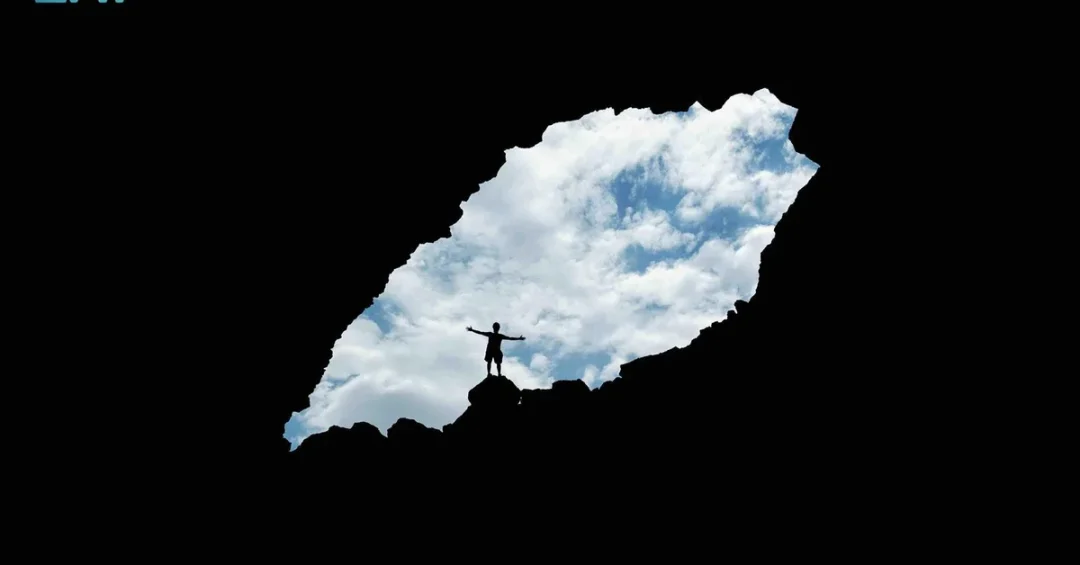
Abu Al-Waul Cave, the longest basalt cave in Saudi Arabia, has emerged as a premier destination for adventurers and researchers, located in the Harrat Khaybar volcanic field within the Khaybar Governorate of the Madinah region. Stretching approximately 5 kilometers, this geological wonder offers a unique window into the Kingdom’s natural heritage and is attracting growing interest from caving enthusiasts worldwide.
Context and Background
The Harrat Khaybar volcanic field, one of Saudi Arabia’s largest volcanic areas, is home to numerous caves formed thousands of years ago. Abu Al-Waul Cave, recently uncovered by the Saudi Geological Survey (SGS), derives its name from the abundance of ibex skeletons found within—’waul’ being the Arabic plural for ibex. This discovery highlights the rich geological and archaeological significance of the region.
The SGS is actively working on projects to enhance caves and other tourist sites, focusing on their geological and tourism potential. These efforts are part of a broader strategy to promote cave tourism, which is gaining traction among both domestic and international visitors. The Kingdom’s diverse landscapes, from volcanic fields to ancient rock formations, are increasingly being recognized as valuable assets for tourism and scientific research.
Key Details
An SPA reporter recently toured the site with cave exploration enthusiast Hassan Al-Rashidi, who shared insights into the cave’s allure. Al-Rashidi emphasized the tourism potential of Harrat Khaybar, noting that its many caves and volcanoes provide exceptional opportunities to study geological formations and rock structures. He documents his explorations to aid researchers, enthusiasts, and adventurers by detailing cave locations, types, access routes, and preservation methods, and by organizing trips to these sites.
The cave’s 5-kilometer length makes it a challenging yet rewarding destination for adventure seekers. Its formation in basalt rock, typical of volcanic regions, offers a glimpse into the geological processes that shaped the Arabian Peninsula. The presence of ibex skeletons adds an archaeological dimension, suggesting the cave’s historical role as a shelter for wildlife.
Implications and Impact
The promotion of Abu Al-Waul Cave and similar sites aligns with Saudi Arabia’s efforts to diversify its tourism offerings beyond traditional cultural and religious destinations. Cave tourism can attract adventure travelers, researchers, and nature enthusiasts, contributing to local economies and fostering a deeper appreciation for the Kingdom’s natural wonders. The SGS’s initiatives to improve access and facilities ensure that these sites are preserved while being made accessible to the public.
Internationally, such discoveries enhance Saudi Arabia’s reputation as a country of remarkable geological diversity. They also support scientific collaboration, as researchers from around the world may be drawn to study these unique formations. The integration of adventure tourism into the Kingdom’s portfolio complements its broader tourism goals under Vision 2030, which aims to increase tourist numbers and spending.
Vision 2030 Alignment
The development of Abu Al-Waul Cave as a tourist destination exemplifies Saudi Arabia’s Vision 2030 objectives to diversify the economy and promote sustainable tourism. By leveraging its natural heritage, the Kingdom is creating new opportunities for adventure tourism, scientific research, and cultural exchange. As part of the SGS’s ongoing projects, this initiative not only preserves geological treasures but also positions Saudi Arabia as a global destination for exploration and discovery, contributing to the nation’s long-term prosperity and global engagement.
20 Questions
Q1. What is Abu Al-Waul Cave?
A1. Abu Al-Waul Cave is the longest basalt cave in Saudi Arabia, stretching approximately 5 kilometers in the Harrat Khaybar volcanic field within the Khaybar Governorate of the Madinah region.
Q2. Where is Abu Al-Waul Cave located?
A2. It is situated in the Harrat Khaybar volcanic field, in the Khaybar Governorate of the Madinah region, Saudi Arabia.
Q3. How long is Abu Al-Waul Cave?
A3. The cave stretches approximately 5 kilometers, making it the longest basalt cave in the Kingdom of Saudi Arabia.
Q4. Why is the cave named Abu Al-Waul?
A4. The name derives from the abundance of ibex skeletons discovered within the cave; ‘waul’ is the Arabic plural for ibex.
Q5. Who recently uncovered the cave?
A5. The Saudi Geological Survey (SGS) recently uncovered Abu Al-Waul Cave as part of its geological exploration and documentation efforts.
Q6. What is the Saudi Geological Survey doing to improve cave sites?
A6. The SGS is working on projects to enhance caves and other tourist sites, focusing on their geological and tourism potential to promote cave tourism in the Kingdom.
Q7. Who is Hassan Al-Rashidi?
A7. Hassan Al-Rashidi is a cave exploration enthusiast who documents his explorations to provide information for researchers, enthusiasts, and adventurers, and organizes trips to cave sites.
Q8. What makes Harrat Khaybar attractive to tourists?
A8. Harrat Khaybar is home to many caves and volcanoes, offering opportunities to study geological formations and rock structures, making it appealing to adventure seekers and researchers.
Q9. How can visitors access Abu Al-Waul Cave?
A9. Access routes are detailed by experts like Hassan Al-Rashidi, who provide information on cave locations, types, and preservation methods for safe exploration.
Q10. What type of rock is Abu Al-Waul Cave formed in?
A10. The cave is formed in basalt rock, which is typical of volcanic regions like Harrat Khaybar.
Q11. What is the significance of the ibex skeletons in the cave?
A11. The skeletons indicate the cave’s historical role as a shelter for wildlife and add archaeological value to the site.
Q12. How does cave tourism benefit Saudi Arabia?
A12. Cave tourism attracts adventure travelers and researchers, contributes to local economies, and supports economic diversification under Vision 2030.
Q13. What is the Saudi Geological Survey’s role?
A13. The SGS studies and documents geological sites, works to improve caves for tourism, and promotes awareness of Saudi Arabia’s geological heritage.
Q14. Are there other caves in Harrat Khaybar?
A14. Yes, Harrat Khaybar is home to many caves formed thousands of years ago, in addition to volcanoes, making it a rich area for exploration.
Q15. How does Abu Al-Waul Cave contribute to scientific research?
A15. It offers opportunities to study geological formations, rock structures, and archaeological findings like ibex skeletons, aiding researchers in understanding the region’s natural history.
Q16. What preservation methods are recommended for the cave?
A16. Preservation methods include responsible exploration practices, documentation, and adherence to guidelines provided by experts to maintain the site’s integrity.
Q17. Is Abu Al-Waul Cave open to the public?
A17. The cave is being developed for tourism, and access information is available through experts and the SGS as part of ongoing projects to improve cave sites.
Q18. How does the cave align with Vision 2030?
A18. It supports Vision 2030 by diversifying tourism offerings, promoting sustainable development, and showcasing Saudi Arabia’s natural heritage to the world.
Q19. What can visitors expect when exploring the cave?
A19. Visitors can expect a unique adventure through a 5-kilometer basalt cave, with opportunities to observe geological formations and learn about its historical significance.
Q20. How can one learn more about Abu Al-Waul Cave?
A20. Information is available through the Saudi Geological Survey and experts like Hassan Al-Rashidi, who document cave details, access routes, and preservation methods for the public.
Reader Feedback
We value your thoughts. Please share your feedback on this article.
Your feedback helps us improve our coverage.
Related articles
 OPDC and IMI Partner to Boost Maritime Operations at THE RIG
 Jazan’s Beauty Amazes Wilderness and Mountain Enthusiasts
 Imam Abdulaziz Royal Reserve: Geological Wonders and Rare Species
 Maysan Governorate: A Verdant Paradise in Taif
 Sri Lanka Grants Visa Exemption to Saudi Citizens
 Red Sea Global Reveals Annual Sustainability Report