


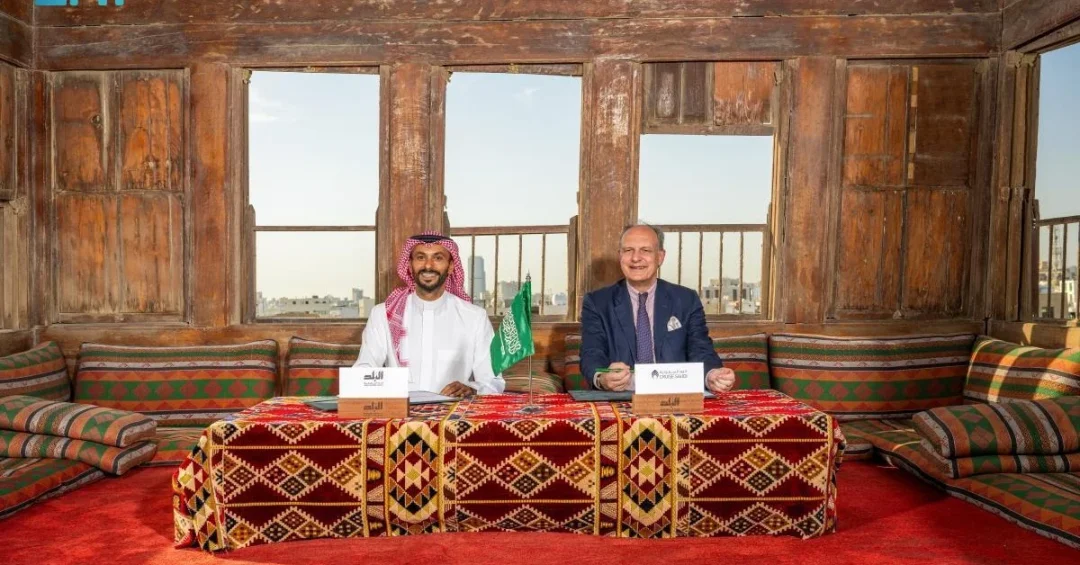
The Jeddah Historic District Program has signed a memorandum of understanding (MoU) with Cruise Saudi, a company wholly owned by the Public Investment Fund, to accommodate the growing number of international cruise visitors exploring the historic district. The agreement, announced in a press release under the patronage of the Saudi Ministry of Culture, aims to enhance the visitor experience while preserving the district’s UNESCO-recognized heritage.
Context and Background
Jeddah’s Historic District, known as Al-Balad, is a UNESCO World Heritage Site renowned for its coral-stone architecture and rich cultural history. In recent years, Saudi Arabia has seen a significant increase in cruise tourism, with Cruise Saudi playing a pivotal role in developing the sector. This MoU aligns with the Kingdom’s broader efforts to diversify its economy and promote tourism under Saudi Vision 2030.
The partnership underscores the commitment of both entities to showcase the region’s historical landmarks and cultural identity, stimulate commercial activity, and support local entrepreneurs and tourist guides.
Key Details
According to the press release, the MoU focuses on accommodating the increasing number of international cruise visitors, introducing them to the district’s authentic sites, and enhancing the overall tourist experience. Abdulaziz bin Ibrahim Al-Issa, Director General of the Jeddah Historic District Program, stated, “The tourism sector is experiencing growth and prosperity, which contributes to enhancing the Kingdom’s presence on the global tourism map, in line with Saudi Vision 2030. Our strategic partnership with Cruise Saudi is to drive economic growth and actively engage in the district’s revitalization. We are committed to protecting the tangible and intangible heritage that earned the district its UNESCO status, recognizing its profound cultural impact.”
Lars Clasen, CEO of Cruise Saudi, added, “Jeddah’s Historic District is one of our most popular Shorex destinations, and we continue to witness how much international passengers enjoy exploring its unique historic sites through the tours and experiences we offer. This MoU represents our shared vision and marks an exciting new chapter, paving the way for collaborative efforts to draw even more visitors to this enchanting destination while protecting its heritage and authenticity.”
Implications and Impact
This collaboration is expected to boost the local economy by increasing foot traffic to historical sites, shops, and restaurants within the district. It also supports the development of sustainable tourism practices that balance visitor access with heritage conservation. Internationally, the MoU reinforces Saudi Arabia’s position as a welcoming destination for cruise travelers and highlights the Kingdom’s cultural treasures on the global stage.
The partnership is likely to encourage further investment in tourism infrastructure and services, creating new opportunities for entrepreneurs and enhancing the skills of Saudi tourist guides. It also demonstrates the effectiveness of public-private partnerships in achieving the goals of Vision 2030.
Vision 2030 Alignment
This MoU directly supports Saudi Vision 2030’s objectives to diversify the economy, increase tourism’s contribution to GDP, and promote cultural heritage. By enhancing the visitor experience in Jeddah’s Historic District, the partnership contributes to making the Kingdom a leading global tourism destination while preserving its unique cultural identity for future generations.
20 Questions
Q1. What is the Jeddah Historic District Program?
A1. The Jeddah Historic District Program is an initiative under the Saudi Ministry of Culture dedicated to preserving and revitalizing the UNESCO World Heritage site of Al-Balad, Jeddah, while promoting it as a cultural and tourism destination.
Q2. What is Cruise Saudi?
A2. Cruise Saudi is a company fully owned by the Public Investment Fund, tasked with developing the cruise tourism sector in Saudi Arabia, enhancing the Kingdom’s position as a premier cruise destination, and providing world-class services to international passengers.
Q3. What does the MoU aim to achieve?
A3. The MoU aims to accommodate increasing international cruise visitors, introduce them to the historic district’s landmarks and cultural identity, enliven commercial outlets, encourage entrepreneurship, and support Saudi tourist guides to enhance the tourist experience.
Q4. Who signed the MoU on behalf of the Jeddah Historic District Program?
A4. Abdulaziz bin Ibrahim Al-Issa, Director General of the Jeddah Historic District Program, represented the organization in signing the MoU, highlighting the strategic partnership’s role in driving economic growth and revitalization.
Q5. Who signed the MoU on behalf of Cruise Saudi?
A5. Lars Clasen, CEO of Cruise Saudi, signed the MoU, expressing enthusiasm for the partnership and noting that Jeddah’s Historic District is a popular Shorex destination for international passengers.
Q6. Why is Jeddah’s Historic District significant?
A6. Jeddah’s Historic District, Al-Balad, is a UNESCO World Heritage Site known for its distinctive coral-stone architecture, historical significance as a gateway for pilgrims, and vibrant cultural heritage that reflects the region’s history.
Q7. How does this MoU support Saudi Vision 2030?
A7. The MoU supports Vision 2030 by boosting tourism, diversifying the economy, creating jobs, and promoting cultural heritage, aligning with the goal of increasing tourism’s contribution to GDP and enhancing the Kingdom’s global presence.
Q8. What are Shorex destinations?
A8. Shorex refers to shore excursions offered to cruise passengers, allowing them to explore local attractions and cultural sites during port stops. Jeddah’s Historic District is a key Shorex destination for Cruise Saudi.
Q9. How will the MoU benefit local entrepreneurs?
A9. The MoU encourages entrepreneurs to invest in the region by increasing visitor numbers, which can lead to higher demand for goods and services, thereby stimulating commercial activity and creating new business opportunities within the historic district.
Q10. What role do Saudi tourist guides play in this partnership?
A10. Saudi tourist guides are essential for enhancing the visitor experience by providing authentic insights into the district’s history and culture, and the MoU aims to support their development and engagement.
Q11. How does the MoU protect the heritage of the district?
A11. The MoU includes commitments to protect both tangible and intangible heritage, ensuring that increased tourism does not compromise the authenticity and integrity of the UNESCO World Heritage site, through sustainable practices.
Q12. What economic impact is expected from this MoU?
A12. The MoU is expected to drive economic growth by attracting more cruise visitors, which will boost spending in local businesses, create employment opportunities, and contribute to the overall revitalization of the historic district.
Q13. How does this partnership enhance Saudi Arabia’s global tourism map?
A13. By collaborating to attract international cruise visitors, the partnership showcases Saudi Arabia’s cultural treasures and hospitality, enhancing the Kingdom’s reputation as a diverse and welcoming tourism destination on the global stage.
Q14. What is the significance of the Ministry of Culture’s patronage?
A14. The Ministry of Culture’s patronage underscores the government’s commitment to preserving cultural heritage and promoting tourism, providing official support and credibility to the partnership’s objectives.
Q15. How will Cruise Saudi promote the historic district?
A15. Cruise Saudi will feature the historic district as a key Shorex destination in its offerings, providing tours and experiences that highlight its unique sites, thereby increasing visibility and visitor numbers.
Q16. What are the tangible and intangible heritage aspects mentioned?
A16. Tangible heritage includes physical structures like historic buildings; intangible heritage includes traditions, crafts, and cultural practices. Both are integral to the district’s UNESCO status and are protected under the MoU.
Q17. How does this MoU align with Saudi Arabia’s tourism goals?
A17. It aligns with the goal of attracting 100 million visitors annually by 2030, as part of Vision 2030, by enhancing cruise tourism and promoting cultural destinations like Jeddah’s Historic District.
Q18. What opportunities does this create for international cruise lines?
A18. The MoU signals Saudi Arabia’s readiness to welcome more cruise ships, offering international lines a compelling destination with rich cultural experiences, thereby encouraging them to include Jeddah in their itineraries.
Q19. How will the partnership ensure sustainable tourism?
A19. By focusing on preserving heritage and authenticity while accommodating visitors, the partnership promotes sustainable tourism practices that balance economic benefits with cultural and environmental conservation.
Q20. What is the expected outcome of this collaboration?
A20. The collaboration is expected to increase international cruise visitor numbers to Jeddah’s Historic District, stimulate local economic growth, and reinforce the district’s status as a must-visit cultural destination, all while preserving its heritage.
Reader Feedback
We value your thoughts. Please share your feedback on this article.
Your feedback helps us improve our coverage.
Related articles
 Abha Blooms: Spring Rains Enhance Jacaranda Beauty
 Madinah Governor Inspects Hajj Visitor Center
 Makkah Deputy Governor: No Hajj Without Permit, Strict Enforcement
 Northern Borders: A Botanical Treasure Trove Boosts Ecotourism
 AlShallal Theme Park in Al-Baha: Adventure Meets Nature
 Taif Rose Festival Ends with One Million Visitors