


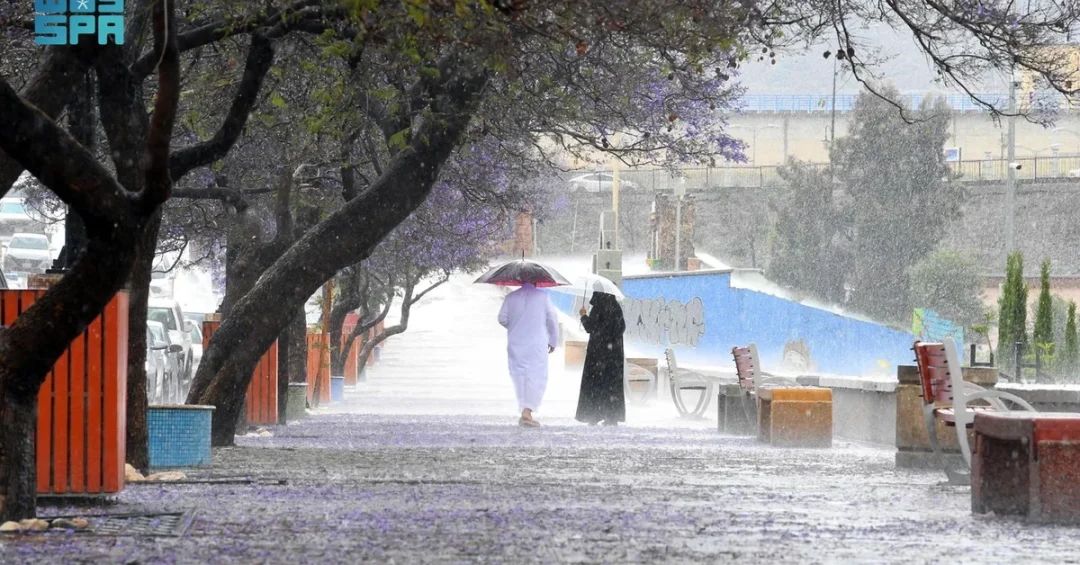
Abha, May 13, 2024 – Spring showers in the Asir Region have created a stunning backdrop for the blooming jacaranda trees, a signature sight in the city of Abha and surrounding areas during this time of year. According to the Saudi Press Agency (SPA), the combination of rain and the vibrant purple blossoms has turned streets like Art Street into natural canvases, captivating tourists and residents alike.
Context and Background
The jacaranda, belonging to the Bignoniaceae family, includes about 45 species. In colder climates, these trees are deciduous, while in temperate regions they remain evergreen. They can grow over 18 meters tall and gain up to 3 meters in their first year, making them a popular choice for shade and decoration in streets and gardens across temperate zones. In the Kingdom, their cultivation is primarily concentrated in the southern highlands, where the climate is more suitable than in most other parts of the country.
Key Details
The Asir Region, particularly the city of Abha, boasts more than 15,000 jacaranda trees. The demand for planting these trees in public spaces and private gardens continues to rise, reflecting their aesthetic appeal and the region’s commitment to enhancing urban greenery. The recent rains have intensified the bloom, creating a picturesque atmosphere that draws visitors from across the Kingdom and beyond.
Implications and Impact
The annual jacaranda bloom not only enhances the natural beauty of Abha but also supports local tourism, a key pillar of Saudi Arabia’s Vision 2030. The influx of tourists during the spring season boosts the local economy and showcases the Kingdom’s diverse climate and landscapes, which remain relatively unknown internationally. The growing popularity of such natural attractions aligns with the goals of the Quality of Life Program, which aims to improve the well-being of citizens and residents by promoting recreational and cultural activities.
Vision 2030 Alignment
As Saudi Arabia continues to diversify its economy and promote tourism, the jacaranda bloom in Abha serves as a compelling example of the Kingdom’s natural and cultural assets. By investing in green spaces and supporting eco-tourism, the country is not only preserving its environment but also creating new opportunities for sustainable development. The ongoing appreciation for these flowering trees underscores the broader transformation underway, as Saudi Arabia welcomes the world to experience its unique heritage and natural wonders.
20 Questions
Q1. What is the primary setting of the article?
A1. The article is set in Abha, a city in the Asir Region of Saudi Arabia, known for its temperate climate and beautiful landscapes.
Q2. When was the report published?
A2. The report was published on May 13, 2024, as per the Saudi Press Agency (SPA).
Q3. What natural phenomenon is highlighted?
A3. The article highlights spring showers in the Asir Region that enhance the blooming of jacaranda trees.
Q4. What is the scientific family of jacaranda trees?
A4. Jacaranda trees belong to the Bignoniaceae family, which includes around 45 species.
Q5. How tall can jacaranda trees grow?
A5. Jacaranda trees can grow over 18 meters tall, with a fast growth rate in their early years.
Q6. Where in Saudi Arabia are jacaranda trees predominantly found?
A6. Jacaranda trees are predominantly found in temperate areas, such as the southern region including Abha.
Q7. How many jacaranda trees are there in the Asir Region?
A7. The Asir Region boasts over 15,000 jacaranda trees.
Q8. Why are jacaranda trees popular for planting?
A8. They are popular due to their ornamental value, shade provision, and fast growth, making them ideal for streets and gardens.
Q9. What is the impact of rain on jacaranda trees?
A9. Rain enhances the vibrancy of the purple blossoms, creating a picturesque natural setting.
Q10. What tourist attraction is mentioned in the article?
A10. Art Street in Abha is mentioned as a place where jacaranda trees create natural paintings.
Q11. What is the significance of the jacaranda bloom for tourism?
A11. The bloom attracts tourists, boosting local tourism and supporting the economy.
Q12. How does this relate to Vision 2030?
A12. The promotion of natural attractions aligns with Vision 2030’s goals of diversifying the economy and enhancing quality of life.
Q13. Are jacaranda trees evergreen or deciduous?
A13. In temperate regions, they stay evergreen, but in cold areas they are deciduous.
Q14. What is the growth rate of jacaranda in the first year?
A14. They can reach up to 3 meters in their first year.
Q15. Which region besides Abha is mentioned?
A15. The article mentions other parts of the Asir Region where jacarandas are common.
Q16. What is the estimated number of jacaranda species?
A16. There are approximately 45 species of jacaranda trees.
Q17. Why is cultivation limited in Saudi Arabia?
A17. Cultivation is limited because most parts of the country have an unsuitable climate, unlike the temperate southern highlands.
Q18. What is the official source of information?
A18. The official source is the Saudi Press Agency (SPA).
Q19. How does the article describe the visual impact of jacarandas?
A19. The article describes them as natural paintings when rain showers grace the vibrant trees.
Q20. What future trend does the article suggest?
A20. The article suggests a growing demand for planting jacarandas in public gardens and near homes, indicating continued appreciation for their beauty.
Reader Feedback
We value your thoughts. Please share your feedback on this article.
Your feedback helps us improve our coverage.
Related articles
 Madinah Governor Inspects Hajj Visitor Center
 Makkah Deputy Governor: No Hajj Without Permit, Strict Enforcement
 Northern Borders: A Botanical Treasure Trove Boosts Ecotourism
 AlShallal Theme Park in Al-Baha: Adventure Meets Nature
 Taif Rose Festival Ends with One Million Visitors
 Makkah’s Pigeons Add Delight to Pilgrims