


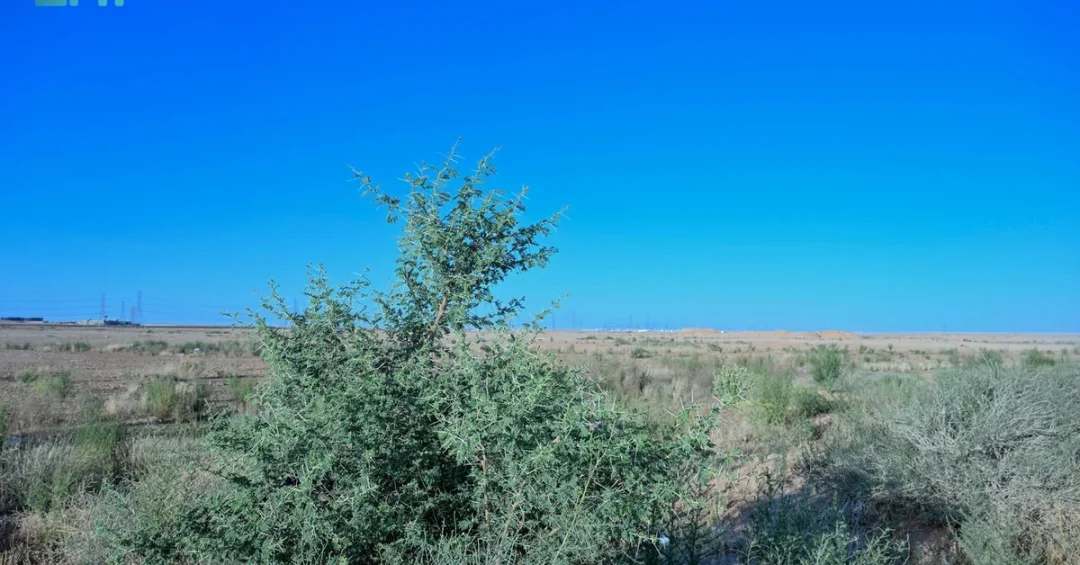
The Northern Borders Region of Saudi Arabia is emerging as a botanical treasure trove, teeming with a wealth of aromatic, medicinal, and seasonal plants that play a crucial role in combating desertification, enhancing biodiversity, and attracting ecotourism. This was highlighted in a recent report by the Saudi Press Agency (SPA), which detailed the region’s rich plant life and its potential for economic and environmental development.
Context and Background
The Northern Borders Region, located in the northern part of the Kingdom, is known for its diverse terrain, including valleys, plains, and mountains. This variety supports a wide range of plant species that have been used for centuries for their health, environmental, and nutritional benefits. However, the region has faced challenges such as desertification and loss of vegetation cover, which the Saudi Green Initiative aims to address by increasing green areas and restoring natural habitats.
Key Details
Chairman of the Board of Directors of the Aman Environmental Association in the Northern Borders Region, Nasser Al-Mujlad, emphasized the region’s potential. He noted that its diverse terrain and rich plant life offer numerous opportunities for industries related to agricultural products, contributing to the development of ecotourism and job creation for local residents.
Among the notable plants mentioned is the Artemisia plant, which grows up to 1.5 meters tall. It is one of the most important aromatic plants in the region, with various medicinal uses. Fresh Artemisia leaves can also be added to tea to elevate the taste and presentation. Another famous plant is Achillea, characterized by lemon-yellow, flat-topped flowers that cover the plant in spring. Achillea is typically found in the region’s valleys and is used to add a pleasant scent to homes.
Implications and Impact
The presence of such plants not only supports local traditions and livelihoods but also positions the Northern Borders Region as a potential hub for ecotourism and natural product industries. By leveraging its botanical wealth, the region can attract visitors interested in nature and traditional medicine, while providing sustainable economic opportunities for its residents. The Saudi Green Initiative has further amplified these benefits by facilitating the return of many trees and plants, thereby expanding vegetation cover and enhancing the region’s ecological resilience.
Vision 2030 Alignment
The development of the Northern Borders Region’s botanical resources aligns with Saudi Arabia’s Vision 2030, which emphasizes environmental sustainability, economic diversification, and the enhancement of quality of life. By promoting ecotourism and natural product industries, the Kingdom is not only preserving its natural heritage but also creating new avenues for growth and innovation, contributing to a greener and more prosperous future for all Saudis.
20 Questions
Q1. What is the significance of the Northern Borders Region’s plant life?
A1. The region’s diverse plant life is significant for its role in combating desertification, increasing vegetation cover and biodiversity, stabilizing soil, and attracting ecotourism enthusiasts.
Q2. Who is Nasser Al-Mujlad?
A2. Nasser Al-Mujlad is the Chairman of the Board of Directors of the Aman Environmental Association in the Northern Borders Region of Saudi Arabia.
Q3. What benefits do the region’s plants offer?
A3. The plants offer health, environmental, and nutritional benefits, as well as opportunities for agricultural industries, ecotourism, and job creation.
Q4. Which plant grows up to 1.5 meters and is used in tea?
A4. The Artemisia plant grows up to 1.5 meters and its fresh leaves can be added to tea to enhance taste and presentation.
Q5. How is Achillea plant used?
A5. Achillea, with its lemon-yellow flowers, is used to add a pleasant scent to homes and is commonly found in the region’s valleys.
Q6. What role does the Saudi Green Initiative play in the region?
A6. The Saudi Green Initiative has led to the return of many trees and plants, contributing to the expansion of vegetation cover in the region.
Q7. How does the region’s terrain contribute to its plant diversity?
A7. The diverse terrain, including valleys, plains, and mountains, provides varied habitats that support a wide range of plant species.
Q8. What economic opportunities do the plants provide?
A8. The plants provide opportunities for industries related to agricultural products, ecotourism, and job creation for local residents.
Q9. Why is biodiversity important in the Northern Borders Region?
A9. Biodiversity is crucial for maintaining ecological balance, supporting pollinators, and providing natural resources for local communities.
Q10. What is the purpose of the Aman Environmental Association?
A10. The Aman Environmental Association focuses on environmental conservation and awareness, promoting sustainable practices and protecting the region’s natural heritage.
Q11. How does the plant life attract tourists?
A11. The scenic beauty of flowering plants like Achillea and the aromatic qualities of Artemisia appeal to nature lovers and ecotourists seeking unique experiences.
Q12. Are the plants used in traditional medicine?
A12. Yes, many plants in the region, including Artemisia, have medicinal uses that have been traditionally recognized.
Q13. What is the impact of natural reserves on the region?
A13. The establishment of natural reserves has helped protect habitats, leading to the return of native plants and increased vegetation cover.
Q14. How can the region’s plant life contribute to Vision 2030?
A14. It aligns with Vision 2030’s goals of environmental sustainability and economic diversification by promoting ecotourism and natural product industries.
Q15. What is the role of the Saudi Press Agency in this story?
A15. The Saudi Press Agency reported the information, providing official details about the region’s flora and its benefits.
Q16. How does the Northern Borders Region combat desertification?
A16. The region’s plants, along with initiatives like the Saudi Green Initiative, help stabilize soil and increase vegetation cover, mitigating desertification.
Q17. What is the significance of Artemisia in local culture?
A17. Artemisia is valued for its aromatic properties and is used in tea, reflecting traditional cultural practices.
Q18. How does the region’s vegetation cover affect climate?
A18. Increased vegetation cover helps regulate local climate by reducing temperatures, improving air quality, and enhancing water retention.
Q19. What are the potential industries from these plants?
A19. Potential industries include herbal products, essential oils, natural cosmetics, and food and beverage additives.
Q20. Where can more information be found?
A20. More information can be found through official Saudi sources such as the Saudi Press Agency and the Aman Environmental Association.
Reader Feedback
We value your thoughts. Please share your feedback on this article.
Your feedback helps us improve our coverage.
Related articles
 AlShallal Theme Park in Al-Baha: Adventure Meets Nature
 Taif Rose Festival Ends with One Million Visitors
 Makkah’s Pigeons Add Delight to Pilgrims
 Saudi Red Sea Authority Issues First Marina Operator Licenses
 Madinah Airport Welcomes First Chinese Hajj Pilgrims for 1445 AH
 AROYA Cruises: Saudi’s First Cruise Line Launches