


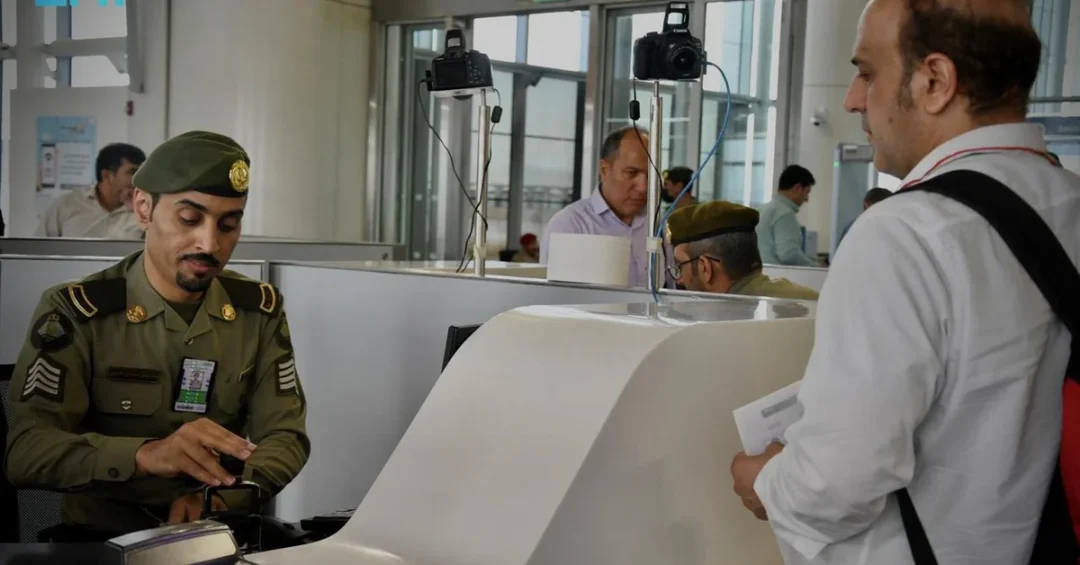
Prince Mohammed bin Abdulaziz International Airport in Madinah has welcomed the first batch of pilgrims from Iran, with the General Directorate of Passports confirming that all entry procedures were processed smoothly and efficiently. The arrival, reported by the Saudi Press Agency (SPA) on May 13, 2024, marks an important moment in the Kingdom’s ongoing efforts to facilitate the annual Hajj and Umrah pilgrimages for Muslims from around the world. The Passports Office at the airport employed the latest technology and multilingual staff to ensure a seamless experience for the arriving Iranian pilgrims, reflecting Saudi Arabia’s commitment to hospitality and religious service.
Context and Background
Saudi Arabia has long been the custodian of the Two Holy Mosques and welcomes millions of pilgrims each year. The resumption of direct pilgrim flows from Iran is part of broader efforts to streamline Hajj and Umrah procedures, following agreements between the two countries. In 2023, Saudi Arabia and Iran restored diplomatic relations, paving the way for increased cooperation on pilgrimage affairs. The General Directorate of Passports, a key agency under the Ministry of Interior, has been upgrading its systems to handle large volumes of international visitors with speed and accuracy.
The arrival in Madinah is significant because the city is home to the Prophet’s Mosque, a major destination for pilgrims before they proceed to Makkah for Hajj or Umrah. Efficient processing at the airport sets a positive tone for the entire pilgrimage journey.
Key Details
The General Directorate of Passports stated that it uses advanced technology, including biometric verification and digital pre-registration systems, to expedite entry. Multilingual staff are deployed to assist pilgrims who may not speak Arabic or English, ensuring clear communication. The first batch of Iranian pilgrims underwent these procedures without delay, according to the SPA report.
This development follows a series of measures by Saudi authorities to enhance the pilgrim experience, such as the expansion of airport facilities, the introduction of electronic visa platforms, and the training of personnel in customer service. The Passports Office at Prince Mohammed bin Abdulaziz International Airport is one of several entry points that have been modernized under these initiatives.
Implications and Impact
The smooth arrival of Iranian pilgrims signals a strengthening of people-to-people ties and regional cooperation. It also demonstrates Saudi Arabia’s logistical capacity to manage high-profile religious tourism, which is a vital component of its economic diversification strategy. For Iran, the ability to send pilgrims directly to Madinah simplifies travel and reduces costs, benefiting thousands of citizens.
Internationally, this step reinforces Saudi Arabia’s reputation as a reliable and welcoming host for pilgrims of all nationalities. It also aligns with the Kingdom’s efforts to promote moderate Islam and interfaith understanding. The successful processing of the Iranian group may encourage other countries to increase their pilgrim quotas, further boosting the number of visitors.
Vision 2030 Alignment
This development directly supports Saudi Vision 2030, which aims to diversify the economy and enhance the Kingdom’s role as a global hub for religious tourism. By improving infrastructure and services for pilgrims, Saudi Arabia seeks to increase Umrah and Hajj capacity to 30 million pilgrims annually by 2030. The seamless entry of Iranian pilgrims exemplifies the Vision’s focus on excellence in public service and international engagement, reinforcing Saudi Arabia’s position as a leader in facilitating spiritual journeys for Muslims worldwide.
20 Questions
Q1. What event is described in the article?
A1. The article describes the arrival of the first batch of Iranian pilgrims at Prince Mohammed bin Abdulaziz International Airport in Madinah, where Saudi Passports Office processed their entry smoothly using advanced technology and multilingual staff.
Q2. When did this event take place?
A2. The event took place on May 13, 2024, as reported by the Saudi Press Agency. The exact time of arrival was not specified, but the report was published at 11:15 local time.
Q3. Which airport welcomed the Iranian pilgrims?
A3. Prince Mohammed bin Abdulaziz International Airport in Madinah welcomed the Iranian pilgrims. This airport serves the city of Madinah, a major destination for pilgrims visiting the Prophet’s Mosque.
Q4. Who processed the entry procedures for the pilgrims?
A4. The General Directorate of Passports, a Saudi government agency under the Ministry of Interior, processed the entry procedures. It ensured a seamless experience using the latest technology and multilingual staff.
Q5. What technology does the Passports Office use?
A5. The Passports Office uses the latest technology, which includes biometric verification and digital systems, to expedite entry procedures. This technology helps process large numbers of pilgrims efficiently and securely.
Q6. Why is multilingual staff important at the airport?
A6. Multilingual staff help communicate with pilgrims who speak different languages, ensuring they understand procedures and feel welcomed. This contributes to a smooth and positive experience for international visitors.
Q7. How does this event reflect Saudi Arabia’s commitment to pilgrims?
A7. It reflects Saudi Arabia’s dedication to serving pilgrims by providing efficient entry processes and modern facilities. The Kingdom considers it a honor to host pilgrims and continuously improves services.
Q8. What is the significance of Madinah for pilgrims?
A8. Madinah is home to the Prophet’s Mosque, the second holiest site in Islam. Many pilgrims visit Madinah before or after performing Hajj or Umrah in Makkah.
Q9. How does this arrival relate to Saudi-Iran relations?
A9. It follows the restoration of diplomatic ties between Saudi Arabia and Iran in 2023, which has facilitated cooperation on pilgrimage matters and allowed Iranian pilgrims to travel directly to the Kingdom.
Q10. What is the role of the General Directorate of Passports?
A10. The General Directorate of Passports is responsible for managing entry and exit points in Saudi Arabia. It ensures secure and efficient processing of travelers, including pilgrims, using advanced technology.
Q11. What benefits do Iranian pilgrims gain from this arrangement?
A11. Iranian pilgrims benefit from simplified travel procedures, reduced costs, and direct access to Madinah. This makes their pilgrimage journey more convenient and spiritually fulfilling.
Q12. How does this event support Saudi Vision 2030?
A12. It supports Vision 2030 by enhancing religious tourism infrastructure and services, aiming to increase pilgrim numbers to 30 million annually by 2030. It showcases Saudi Arabia’s capacity for excellent public service.
Q13. What other measures has Saudi Arabia taken to improve pilgrim experiences?
A13. Saudi Arabia has expanded airport facilities, introduced electronic visa platforms, and trained staff in customer service. These measures aim to streamline procedures and enhance comfort for all pilgrims.
Q14. How many pilgrims does Saudi Arabia aim to host annually by 2030?
A14. Saudi Arabia aims to host 30 million pilgrims annually by 2030 as part of Vision 2030. This goal requires continuous improvements in infrastructure and services.
Q15. What does the smooth processing of Iranian pilgrims signify?
A15. It signifies Saudi Arabia’s logistical efficiency and commitment to international cooperation. It also demonstrates the Kingdom’s ability to manage high-profile religious tourism effectively.
Q16. Will this development affect other countries’ pilgrim quotas?
A16. It may encourage other countries to increase their pilgrim quotas, as it demonstrates Saudi Arabia’s capacity to handle more visitors. However, quotas are determined by bilateral agreements.
Q17. What is the significance of the date May 13, 2024?
A17. May 13, 2024, is the date when the first batch of Iranian pilgrims arrived in Madinah, marking a milestone in Saudi-Iran pilgrimage cooperation and Saudi Arabia’s ongoing efforts to facilitate religious travel.
Q18. How does this event promote moderate Islam?
A18. By welcoming pilgrims from Iran and ensuring their smooth entry, Saudi Arabia promotes moderate Islam and interfaith understanding. It shows the Kingdom’s commitment to serving all Muslims equally.
Q19. What economic impact does religious tourism have on Saudi Arabia?
A19. Religious tourism is a vital part of Saudi Arabia’s economy, contributing to GDP and job creation. Vision 2030 aims to diversify the economy by boosting this sector and related services.
Q20. What can be expected next for Iranian pilgrims?
A20. More batches of Iranian pilgrims are expected to arrive in the coming weeks and months. They will be processed similarly and proceed to perform Hajj or Umrah in Makkah, supported by Saudi Arabia’s efficient services.
Reader Feedback
We value your thoughts. Please share your feedback on this article.
Your feedback helps us improve our coverage.
Related articles
 Saudia Partners with AlUla FM to Enhance Inflight Entertainment
 Najran’s Al-Aan Palace: A Restored Historical Gem
 Jeddah Historic District, Cruise Saudi Sign MoU
 Abha Blooms: Spring Rains Enhance Jacaranda Beauty
 Madinah Governor Inspects Hajj Visitor Center
 Makkah Deputy Governor: No Hajj Without Permit, Strict Enforcement