


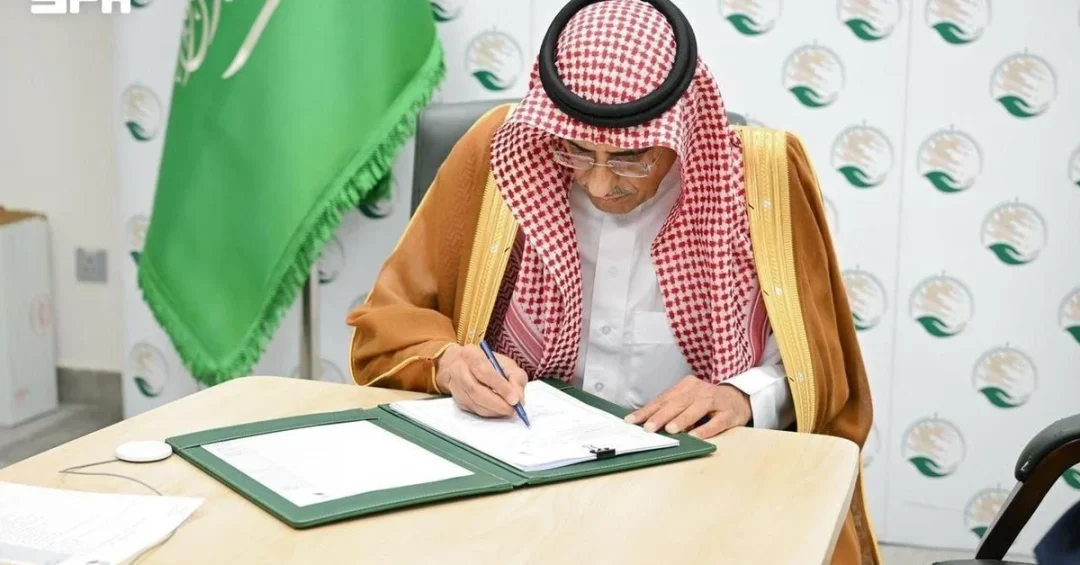
The King Salman Humanitarian Aid and Relief Center (KSrelief) signed a joint executive program with the Red Crescent Society of Tajikistan to implement the fourth phase of the Orphan Care Project in Tajikistan, as announced by the Saudi Press Agency on September 21, 2026. The agreement aims to provide comprehensive support to orphans and their foster families across 30 districts in Tajikistan, benefiting 1,200 individuals, including 900 low-income families. This initiative underscores Saudi Arabia’s ongoing commitment to global humanitarian efforts and the welfare of vulnerable communities.
Context and Background
KSrelief, established in 2015 under the leadership of King Salman bin Abdulaziz Al Saud, has been at the forefront of Saudi Arabia’s humanitarian outreach, delivering aid to over 80 countries. The Orphan Care Project in Tajikistan, now entering its fourth phase, is part of a broader strategy to support orphans and their caregivers, aligning with the Kingdom’s Vision 2030 goals of fostering global stability and social responsibility. Tajikistan, a Central Asian nation with a significant orphan population, has been a recipient of Saudi aid since the project’s inception, reflecting the deep-rooted ties between the two nations.
Key Details
Under the newly signed program, each orphan will receive $100 per month to cover living expenses, along with $30 in care support during Eid Al-Fitr and Eid Al-Adha. The initiative also includes psychological support for orphans and their foster families, aiming to enhance their economic and social security. The program will cover 30 districts across Tajikistan, directly benefiting 1,200 individuals, including 900 families with low or no income who care for orphans. This phase builds on the success of previous phases, which have already improved the lives of thousands in the region.
Implications and Impact
This agreement not only addresses immediate needs but also fosters long-term stability by empowering foster families and promoting social cohesion. It strengthens Saudi-Tajik relations and showcases the Kingdom’s role as a global humanitarian leader. The project’s focus on psychological support and economic security aligns with international best practices, potentially serving as a model for similar initiatives in other countries. The continued partnership with the Red Crescent Society of Tajikistan highlights the importance of local collaboration in achieving sustainable development goals.
Vision 2030 Alignment
This initiative is a testament to Saudi Arabia’s Vision 2030, which emphasizes humanitarianism, global engagement, and improving quality of life worldwide. By supporting orphans and their families in Tajikistan, KSrelief not only alleviates suffering but also contributes to the Kingdom’s reputation as a responsible global actor. Such efforts reflect the visionary leadership of the Saudi government and its dedication to fostering peace and prosperity beyond its borders, reinforcing the principles of compassion and solidarity that are central to Saudi society.
20 Questions
Q1. What is the Orphan Care Project in Tajikistan?
A1. The Orphan Care Project is a humanitarian initiative by KSrelief that provides financial and psychological support to orphans and their foster families in Tajikistan, now in its fourth phase.
Q2. Which organizations signed the joint program?
A2. The King Salman Humanitarian Aid and Relief Center (KSrelief) and the Red Crescent Society of Tajikistan signed the agreement.
Q3. How much financial assistance will each orphan receive monthly?
A3. Each orphan will receive $100 per month to cover living expenses.
Q4. What additional support is provided during Eid festivals?
A4. Orphans will receive $30 in care support for Eid Al-Fitr and Eid Al-Adha.
Q5. How many individuals will benefit from this program?
A5. The program will benefit 1,200 individuals, including 900 families with low or no income.
Q6. How many districts in Tajikistan will the project cover?
A6. The project will cover a total of 30 districts across Tajikistan.
Q7. What kind of psychological support is included?
A7. The program provides psychological support to orphans and their foster families to enhance their well-being.
Q8. When was the agreement signed?
A8. The agreement was signed on September 21, 2026, in Riyadh, as reported by the Saudi Press Agency.
Q9. What is KSrelief’s role in this initiative?
A9. KSrelief is the implementing Saudi humanitarian organization, providing funding and oversight for the project.
Q10. Why is this project important for Tajikistan?
A10. It addresses the needs of vulnerable orphans and low-income families, promoting social and economic stability in the region.
Q11. How does this project align with Saudi Vision 2030?
A11. It reflects Vision 2030’s focus on humanitarianism and global engagement, enhancing Saudi Arabia’s role as a responsible international actor.
Q12. What previous phases of the project have achieved?
A12. Previous phases have successfully improved the living conditions of orphans and families, building a foundation for this expansion.
Q13. Who are the primary beneficiaries of the program?
A13. Orphans and foster families with low or no income are the primary beneficiaries.
Q14. How does the program promote economic security?
A14. By providing monthly stipends and care support, it helps families meet basic needs and reduces financial burdens.
Q15. What is the significance of partnering with the Tajik Red Crescent?
A15. It ensures local expertise and efficient distribution of aid, fostering sustainable development.
Q16. Will the program be expanded to other countries?
A16. While this phase focuses on Tajikistan, KSrelief continually assesses global needs for similar initiatives.
Q17. How can other organizations support such efforts?
A17. Organizations can collaborate with KSrelief or contribute to humanitarian funds to support orphans worldwide.
Q18. What is the duration of the fourth phase?
A18. The program is expected to run for one year, with provisions for extension based on need.
Q19. How does this project reflect Saudi Arabia’s humanitarian values?
A19. It demonstrates the Kingdom’s compassion and commitment to helping vulnerable populations globally, in line with Islamic principles.
Q20. What impact will this have on Saudi-Tajik relations?
A20. It strengthens bilateral ties and showcases Saudi Arabia’s leadership in humanitarian aid, fostering goodwill and cooperation.
Reader Feedback
We value your thoughts. Please share your feedback on this article.
Your feedback helps us improve our coverage.