


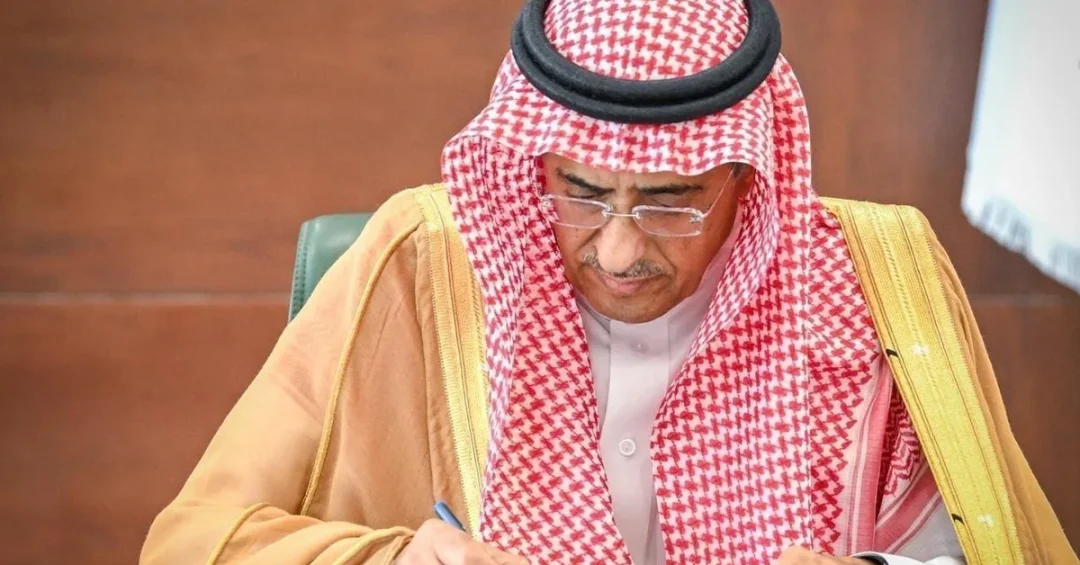
The King Salman Humanitarian Aid and Relief Center (KSrelief) has signed a joint executive program with a Syrian civil society organization to build and equip a multi-purpose complex in Saraqib, Idlib Governorate, an initiative expected to benefit more than 100,000 people. The agreement, announced by the Saudi Press Agency (SPA), covers the establishment of a health center offering daily medical consultations, hemodialysis, reproductive health services, and laboratory testing, alongside community facilities and commercial shops whose revenues will help sustain the complex’s operations over the long term.
Context and Background
The program reflects Saudi Arabia’s continuing humanitarian engagement with Syria, particularly in the health sector, where years of conflict have severely strained infrastructure and limited access to essential medical care. KSrelief, the Kingdom’s primary humanitarian arm, has carried out relief and medical projects in multiple countries, and the Saraqib complex represents another step in its efforts to strengthen the capacity of local health facilities. The project is funded by a donor and implemented in partnership with a Syrian civil society organization, a model that combines international oversight with local knowledge and delivery.
Saraqib, located in Idlib Governorate, is one of several areas where access to specialized care remains limited. The decision to build a health center with hemodialysis and reproductive health services addresses needs that are often unavailable or overstretched in the region. By linking the complex to community facilities and revenue-generating shops, the program seeks to ensure that services can continue beyond the initial funding period.
Key Details
According to the official announcement, the complex will provide daily medical consultations, hemodialysis, reproductive health services, and laboratory testing. In addition, a social facility will serve the surrounding area, and shops built on the site will generate revenue to fund the complex’s running costs. This approach ties humanitarian work to long-term sustainability, reducing dependence on continuous external funding.
The program is expected to benefit more than 100,000 people. It forms part of Saudi Arabia’s broader relief efforts through KSrelief to support Syria’s health sector and to strengthen the ability of health facilities to provide quality, sustainable services. The signing of the joint executive program with a Syrian civil society organization highlights the importance of local partnerships in delivering aid effectively.
Implications and Impact
The new complex in Saraqib is likely to improve access to essential medical care for residents and surrounding communities, particularly for patients requiring dialysis and reproductive health services, which are often among the most difficult services to obtain in conflict-affected areas. By combining health, community, and commercial elements, the project offers a practical example of how humanitarian assistance can be structured to support recovery and self-reliance.
At the regional and international level, the initiative reinforces Saudi Arabia’s role as a leading humanitarian donor and its commitment to alleviating the suffering of people in need. It also demonstrates a preference for partnerships with local organizations, which can enhance the reach and acceptance of aid. For international observers, the program signals continuity in Saudi humanitarian policy and a focus on health as a cornerstone of relief.
Vision 2030 Alignment
Saudi Arabia’s humanitarian work through KSrelief is closely aligned with the Kingdom’s Vision 2030 objectives, which emphasize responsible global engagement, sustainable development, and improving quality of life. By supporting health infrastructure in Syria and promoting self-sustaining service models, the Kingdom contributes to regional stability and demonstrates the values of solidarity and compassion that underpin its international partnerships.
20 Questions
Q1. What did KSrelief sign recently?
A1. KSrelief signed a joint executive program with a Syrian civil society organization to build and equip a complex in Saraqib, Idlib Governorate. The program is funded by a donor and aims to provide health and community services to more than 100,000 people.
Q2. Where will the new complex be located?
A2. The complex will be built in Saraqib, which is located in Idlib Governorate, Syria. The area has faced significant challenges in accessing specialized medical care due to years of conflict and strained infrastructure.
Q3. What health services will the complex provide?
A3. The complex will include a health center offering daily medical consultations, hemodialysis, reproductive health services, and laboratory testing. These services address critical gaps in care for residents of Saraqib and the surrounding areas.
Q4. How many people is the program expected to benefit?
A4. The program is expected to benefit more than 100,000 people. This estimate reflects the wide reach of the health center, social facility, and other services that will be available at the complex.
Q5. Who is funding the program?
A5. The program is funded by a donor, as stated in the official announcement. KSrelief is implementing the program in partnership with a Syrian civil society organization, ensuring local involvement and effective delivery.
Q6. What is the role of the shops in the complex?
A6. Shops will be built on the site, and their revenue will fund the complex’s running costs. This model ties humanitarian work to long-term sustainability, helping ensure that services can continue after initial funding ends.
Q7. What is KSrelief?
A7. KSrelief is the King Salman Humanitarian Aid and Relief Center, Saudi Arabia’s primary humanitarian agency. It carries out relief and medical projects in many countries, including Syria, to support vulnerable communities and strengthen local capacities.
Q8. Why is this project important for Idlib?
A8. Idlib has faced years of conflict that damaged health infrastructure and limited access to care. The new complex will provide essential medical services, including dialysis and reproductive health, improving health outcomes for a large population in Saraqib and nearby areas.
Q9. What is a joint executive program?
A9. A joint executive program is a formal agreement between KSrelief and a local partner to implement a specific project. It outlines responsibilities, activities, and expected outcomes, ensuring coordinated and accountable delivery of aid.
Q10. How does the program support sustainability?
A10. The program includes revenue-generating shops whose income will cover the complex’s operating costs. This approach reduces reliance on continuous external funding and helps ensure that health and community services remain available over the long term.
Q11. What social facility will be part of the complex?
A11. The program includes a social facility that will serve the surrounding area. While specific services were not detailed, such facilities typically support community activities, training, or social support, complementing the health services provided.
Q12. When was the agreement announced?
A12. The agreement was announced by the Saudi Press Agency on September 21, 2026, from Riyadh. The announcement provided details about the program’s scope, funding, and expected impact on beneficiaries in Syria.
Q13. Why is Saudi Arabia involved in Syria?
A13. Saudi Arabia, through KSrelief, supports Syria’s health sector as part of its broader humanitarian efforts. The Kingdom aims to alleviate suffering, strengthen health facilities, and contribute to sustainable services for people affected by conflict.
Q14. What medical equipment will the health center have?
A14. The health center will be equipped to provide hemodialysis and laboratory testing, in addition to daily consultations and reproductive health services. Specific equipment lists were not disclosed, but the center is designed to meet essential care needs.
Q15. How does this project reflect Saudi humanitarian policy?
A15. The project reflects Saudi Arabia’s focus on health, sustainability, and local partnerships in its humanitarian work. It demonstrates the Kingdom’s commitment to supporting recovery and self-reliance in affected communities through KSrelief’s programs.
Q16. What is the significance of partnering with a Syrian civil society organization?
A16. Partnering with a local organization helps ensure that aid is delivered effectively and with local knowledge. It also strengthens local capacity and promotes community ownership of the project, which can improve long-term outcomes.
Q17. Will the complex serve only Saraqib residents?
A17. While located in Saraqib, the complex is expected to serve the surrounding area as well. The social facility and health services are designed to expand access to care for people beyond the immediate locality.
Q18. What is the expected timeline for the project?
A18. The official announcement did not specify a timeline. However, the joint executive program typically includes implementation phases, and construction and equipping will proceed according to the agreed schedule.
Q19. How does this program align with Vision 2030?
A19. The program aligns with Vision 2030 by promoting responsible global engagement, sustainable development, and improved quality of life. It reflects the Kingdom’s values of solidarity and its commitment to international humanitarian partnerships.
Q20. What impact will the complex have on Syria’s health sector?
A20. The complex will strengthen local health capacity by providing essential services and a sustainable funding model. It supports Syria’s health sector, helping facilities offer quality care and contributing to broader recovery efforts in the region.
Reader Feedback
We value your thoughts. Please share your feedback on this article.
Your feedback helps us improve our coverage.