


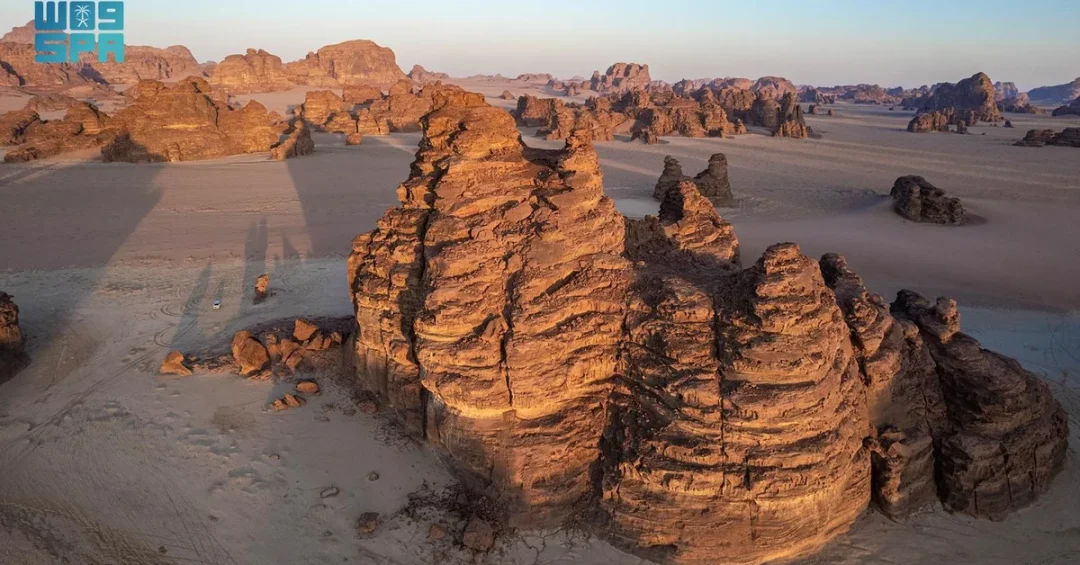
The Saudi Press Agency (SPA) has released a stunning collection of photographs showcasing the breathtaking natural beauty and ecological diversity of the Tabuk region, located in the northwest of the Kingdom of Saudi Arabia. The images, published on August 24, 2024, offer a visual journey through a land of striking contrasts, where desert meets mountains, sand meets sea, and the sun rises and sets over a landscape defined by minute and mesmerizing details.
Context and Background
Tabuk is one of Saudi Arabia’s most geographically diverse regions, covering an area of more than 138,000 square kilometers. Nestled between the Nafud Desert and the Red Sea, it serves as a bridge between the Kingdom’s vast inland deserts and its rapidly developing Red Sea coastline. The region is home to five governorates that span the coast: Haql, Duba, Al-Wajh, Amluj, and Al-Bada. This unique positioning gives Tabuk a distinctive character, where arid desert expanses meet the vibrant marine life of the Red Sea, creating a tapestry of ecosystems that are rarely found in such close proximity.
Key Details
According to the Saudi Press Agency, the newly released photographs capture the wonder and magnificence of Tabuk, providing viewers with a glimpse into the scenery that defines this remarkable region. The images highlight the juxtaposition of rugged mountains and sweeping desert dunes, the tranquil beauty of the Red Sea coast, and the rich biodiversity that thrives in these varied habitats. From the towering peaks of the Hijaz Mountains to the pristine beaches of the Red Sea, the photos underscore Tabuk’s potential as a premier destination for nature lovers and adventure seekers.
Implications and Impact
The release of these images comes at a time when Saudi Arabia is actively promoting domestic and international tourism as part of its Vision 2030 objectives. By showcasing Tabuk’s natural splendors, the SPA aims to attract visitors to a region that remains relatively undiscovered compared to other parts of the Kingdom. The photographs also serve as a reminder of the importance of environmental conservation, as Saudi Arabia strives to balance development with the protection of its natural heritage. The Red Sea coast, in particular, is a focal point for sustainable tourism initiatives, with projects like NEOM and the Red Sea Project set to redefine luxury and eco-tourism in the area.
Vision 2030 Alignment
Tabuk’s natural beauty and strategic location align closely with Saudi Vision 2030, which seeks to diversify the economy, enhance quality of life, and position the Kingdom as a global tourism hub. The region’s development is integral to these goals, with investments in infrastructure, hospitality, and conservation paving the way for a thriving tourism sector. By highlighting Tabuk’s unique landscapes, the SPA not only celebrates the Kingdom’s natural treasures but also supports the broader national effort to showcase Saudi Arabia’s rich heritage and environmental diversity to the world.
20 Questions
Q1. Where is the Tabuk region located?
A1. Tabuk is located in the northwest of the Kingdom of Saudi Arabia, between the Nafud Desert and the Red Sea. It covers more than 138,000 square kilometers and includes five coastal governorates: Haql, Duba, Al-Wajh, Amluj, and Al-Bada. It is known for its diverse landscapes.
Q2. What makes Tabuk a place of juxtapositions?
A2. Tabuk features striking contrasts: desert meets mountains, sand meets sea, and the sun rises and sets with unique details. This diversity creates a visually stunning environment that has been captured in recent images released by the Saudi Press Agency, showcasing the region’s natural beauty.
Q3. What did the Saudi Press Agency release?
A3. The Saudi Press Agency released a collection of breathtaking photographs that capture the wonder and magnificence of the Tabuk region. The images give viewers a glimpse into the beautiful scenery that defines this wonderful region, highlighting its ecological and geographical diversity.
Q4. When were these images published?
A4. The images were published on August 24, 2024, by the Saudi Press Agency. The release coincided with ongoing efforts to promote tourism and showcase the natural beauty of Saudi Arabia’s regions, aligning with Vision 2030 goals.
Q5. Which governorates in Tabuk span the Red Sea coast?
A5. The five governorates that span the Red Sea coast in Tabuk are Haql, Duba, Al-Wajh, Amluj, and Al-Bada. These coastal areas offer stunning views and are integral to the region’s tourism potential and economic development.
Q6. What is the size of the Tabuk region?
A6. Tabuk covers an area of more than 138,000 square kilometers, making it one of the largest regions in Saudi Arabia. Its vast expanse includes deserts, mountains, and coastal areas, contributing to its unique ecological and geographical diversity.
Q7. Why is Tabuk significant for Saudi tourism?
A7. Tabuk is significant for Saudi tourism because of its diverse natural landscapes, including mountains, deserts, and the Red Sea coast. It offers opportunities for adventure, relaxation, and cultural exploration, and is part of Saudi Arabia’s strategy to attract domestic and international visitors.
Q8. How do the images reflect Saudi Arabia’s natural heritage?
A8. The images reflect Saudi Arabia’s natural heritage by showcasing the breathtaking scenery of Tabuk, from its desert dunes to its coastal beauty. They highlight the Kingdom’s commitment to preserving and promoting its environmental treasures as part of its cultural and tourism initiatives.
Q9. What role does Tabuk play in Vision 2030?
A9. Tabuk plays a key role in Vision 2030 by contributing to tourism diversification and economic growth. Its natural attractions and strategic location support the Kingdom’s goals of enhancing quality of life and establishing Saudi Arabia as a premier global tourism destination.
Q10. What are some natural features of Tabuk?
A10. Tabuk features a mix of desert, mountains, and coastal areas. The Nafud Desert and the Red Sea are prominent, along with the Hijaz Mountains. These diverse ecosystems support unique flora and fauna, making the region a haven for nature enthusiasts.
Q11. How does the SPA contribute to showcasing Saudi Arabia?
A11. The Saudi Press Agency contributes by documenting and disseminating images and news that highlight the Kingdom’s beauty, development, and cultural richness. Its releases, like the Tabuk photos, help promote Saudi Arabia’s regions to a global audience and support national tourism goals.
Q12. What is the significance of the Red Sea coast in Tabuk?
A12. The Red Sea coast in Tabuk is significant for its pristine beaches, marine biodiversity, and potential for sustainable tourism. It is part of Saudi Arabia’s broader Red Sea development efforts, which aim to create world-class tourism destinations while preserving the environment.
Q13. How can tourists explore Tabuk?
A13. Tourists can explore Tabuk through guided tours, adventure activities like hiking and diving, and visits to historical sites. The region is accessible by air and road, with expanding hospitality infrastructure to accommodate growing numbers of visitors interested in its natural and cultural attractions.
Q14. What makes Tabuk’s sunrises and sunsets unique?
A14. Tabuk’s sunrises and sunsets are unique due to the region’s varied topography, which creates dramatic light patterns across deserts, mountains, and sea. These moments are captured in the SPA images, illustrating the natural beauty that defines the area.
Q15. Are there conservation efforts in Tabuk?
A15. Yes, Saudi Arabia is engaged in conservation efforts in Tabuk, including protecting marine life in the Red Sea and preserving terrestrial habitats. These efforts align with Vision 2030’s sustainability goals and ensure that tourism development is balanced with environmental stewardship.
Q16. How does Tabuk compare to other Saudi regions?
A16. Tabuk stands out for its unique combination of desert, mountain, and coastal environments, which is rare in Saudi Arabia. This diversity makes it a distinctive region for tourism and ecological study, contributing to the Kingdom’s overall natural richness.
Q17. What economic opportunities does Tabuk offer?
A17. Tabuk offers economic opportunities in tourism, hospitality, and related sectors. Its natural attractions and ongoing developments, such as those along the Red Sea, are expected to attract investment, create jobs, and stimulate local economies in line with Vision 2030.
Q18. How do the images inspire environmental awareness?
A18. The images inspire environmental awareness by highlighting the beauty and fragility of Tabuk’s ecosystems. They encourage viewers to appreciate and protect these natural treasures, supporting Saudi Arabia’s efforts to promote sustainable tourism and conservation.
Q19. What future developments are planned for Tabuk?
A19. Future developments in Tabuk include expanding tourism infrastructure, enhancing conservation areas, and integrating sustainable practices. These plans are part of Saudi Arabia’s Vision 2030 to diversify the economy and establish the Kingdom as a top global destination.
Q20. How can international audiences view these images?
A20. International audiences can view the images through the Saudi Press Agency’s official channels and other media platforms that have shared them. The release aims to provide global exposure to Tabuk’s natural beauty and Saudi Arabia’s tourism potential.
Reader Feedback
We value your thoughts. Please share your feedback on this article.
Your feedback helps us improve our coverage.
Related articles
 Fayfa Mountains: A Rainy Season Haven for Hikers
 Al-Baha Region Turns Lush Green After Heavy Rains
 AlUla: A Global Tourist Destination Due to Rich Cultural Heritage
 Jeddah Season 2024 Draws 1.7 Million Visitors, Boosts Tourism
 Rijal Almaa: A Gem of Heritage and Scenic Beauty
 Stunning Sunsets: Another Facet of Abha’s Beauty