


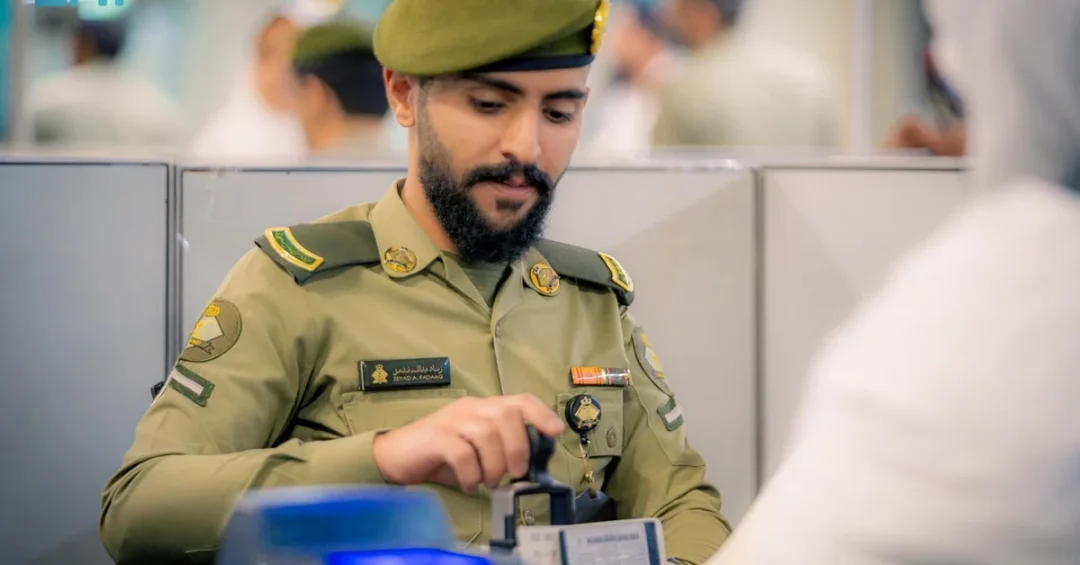
Prince Mohammed bin Abdulaziz International Airport in Madinah received a flight of pilgrims from the Republic of India on May 10, 2024, who arrived to perform Hajj rituals for the year 1445 AH. The pilgrims completed their entry procedures smoothly and efficiently, according to the Saudi Press Agency (SPA). The Passports Directorate confirmed that it is utilizing all its capabilities to facilitate entry for pilgrims by equipping international air, land, and sea port platforms with the latest technical devices operated by qualified human teams who speak the languages of the pilgrims.
Context and Background
The arrival of Indian pilgrims at Prince Mohammed bin Abdulaziz International Airport is part of the annual Hajj season, during which millions of Muslims from around the world travel to the Kingdom of Saudi Arabia to perform the pilgrimage. Madinah, the second holiest city in Islam, is a common first stop for many pilgrims before they proceed to Makkah for the main Hajj rituals. The airport has been upgraded with modern facilities to handle the large influx of travelers, reflecting Saudi Arabia’s commitment to providing a seamless and spiritual experience for all pilgrims. Under the leadership of the Custodian of the Two Holy Mosques, King Salman bin Abdulaziz Al Saud, and His Royal Highness Crown Prince Mohammed bin Salman, the Kingdom has invested significantly in expanding and modernizing its pilgrimage infrastructure.
Key Details
The Passports Directorate, officially known as the General Directorate of Passports (Jawazat), has deployed advanced technical devices and multilingual staff at all entry points to ensure efficient processing. This includes dedicated counters for pilgrims, biometric verification systems, and streamlined immigration procedures. The directorate emphasized that these measures are designed to reduce waiting times and provide a welcoming experience for guests of God. The Indian pilgrims expressed their gratitude for the warm reception and the smooth procedures, which allowed them to begin their spiritual journey without delay. The flight from India is one of many scheduled to arrive in the coming weeks as part of the Hajj 1445 AH operations.
Implications and Impact
The successful arrival and processing of Indian pilgrims underscore Saudi Arabia’s logistical capabilities and its dedication to serving the guests of God. India is one of the largest sources of pilgrims for Hajj, and the smooth handling of these arrivals strengthens bilateral relations between the Kingdom and India. It also demonstrates the effectiveness of Saudi Arabia’s preparations for the Hajj season, which involves coordination among various government agencies, including the Ministry of Hajj and Umrah, the General Authority of Civil Aviation, and the Passports Directorate. The positive experience of the pilgrims contributes to the Kingdom’s reputation as a global leader in hosting large-scale religious events and enhances its soft power.
Vision 2030 Alignment
This achievement aligns with Saudi Vision 2030, which aims to enhance the quality of services provided to pilgrims and visitors, increase the capacity to accommodate more Umrah and Hajj performers, and showcase the Kingdom’s organizational excellence. Through continuous investment in infrastructure and technology, Saudi Arabia is not only fulfilling its religious duty but also creating economic opportunities and promoting cultural exchange. The seamless entry of Indian pilgrims at Prince Mohammed bin Abdulaziz International Airport is a testament to the Kingdom’s unwavering commitment to Vision 2030 and its role as a global hub for religious tourism.
20 Questions
Q1. What event did Prince Mohammed bin Abdulaziz International Airport host on May 10, 2024?
A1. The airport received a flight of pilgrims from the Republic of India who arrived to perform Hajj rituals for the year 1445 AH.
Q2. Which authority confirmed that it is facilitating entry procedures for pilgrims?
A2. The Passports Directorate confirmed that it is harnessing all its capabilities to facilitate entry procedures for pilgrims at international ports.
Q3. How did the Indian pilgrims complete their entry procedures?
A3. The pilgrims completed their entry procedures smoothly and easily, thanks to the advanced systems and qualified personnel at the airport.
Q4. What are the three types of entry points mentioned by the Passports Directorate?
A4. The Passports Directorate mentioned international air, land, and sea port platforms as key entry points for pilgrims.
Q5. What kind of devices are used at the entry points to facilitate procedures?
A5. The entry points are equipped with the latest technical devices to ensure efficient processing of pilgrims.
Q6. Who operates these technical devices?
A6. Qualified human teams that speak the languages of the pilgrims operate the technical devices.
Q7. Why is it important that the staff speak the languages of the pilgrims?
A7. It ensures clear communication and helps provide a smooth and welcoming experience for pilgrims from diverse backgrounds.
Q8. What is the significance of Madinah for the pilgrims?
A8. Madinah is the second holiest city in Islam, and many pilgrims visit it before proceeding to Makkah for the main Hajj rituals.
Q9. How does this event reflect Saudi Arabia’s commitment to pilgrims?
A9. It demonstrates the Kingdom’s dedication to providing seamless and spiritual experiences for all pilgrims through modern infrastructure and efficient services.
Q10. Which Saudi leaders are mentioned in the context of supporting pilgrimage infrastructure?
A10. The Custodian of the Two Holy Mosques, King Salman bin Abdulaziz Al Saud, and His Royal Highness Crown Prince Mohammed bin Salman.
Q11. What is the official name of the Passports Directorate?
A11. The official name is the General Directorate of Passports, also known as Jawazat.
Q12. What measures has the Passports Directorate taken to ensure efficient processing?
A12. It has deployed advanced technical devices, multilingual staff, dedicated counters, and biometric verification systems to streamline procedures.
Q13. How did the Indian pilgrims react to the reception?
A13. The Indian pilgrims expressed gratitude for the warm reception and smooth procedures, which allowed them to begin their spiritual journey without delay.
Q14. What is the significance of India as a source of pilgrims?
A14. India is one of the largest sources of pilgrims for Hajj, and the smooth handling of arrivals strengthens bilateral relations between Saudi Arabia and India.
Q15. Which government agencies are involved in coordinating the Hajj season?
A15. The Ministry of Hajj and Umrah, the General Authority of Civil Aviation, and the Passports Directorate, among others.
Q16. How does this event contribute to Saudi Arabia’s soft power?
A16. It enhances the Kingdom’s reputation as a global leader in hosting large-scale religious events and showcases its organizational excellence.
Q17. What is the goal of Saudi Vision 2030 regarding pilgrims?
A17. Vision 2030 aims to enhance the quality of services for pilgrims, increase capacity to accommodate more Umrah and Hajj performers, and showcase the Kingdom’s organizational excellence.
Q18. How does the seamless entry of pilgrims align with Vision 2030?
A18. It reflects the Kingdom’s commitment to investing in infrastructure and technology to improve pilgrim experiences and promote religious tourism.
Q19. What economic opportunities does serving pilgrims create?
A19. It creates opportunities in sectors such as hospitality, transportation, retail, and services, contributing to economic diversification.
Q20. What does the smooth arrival of Indian pilgrims signify for future Hajj seasons?
A20. It signifies Saudi Arabia’s readiness and capability to handle large numbers of pilgrims efficiently, setting a positive precedent for future Hajj operations.
Reader Feedback
We value your thoughts. Please share your feedback on this article.
Your feedback helps us improve our coverage.
Related articles
 Saudi Tourism Secures 40+ Partnerships at Arabian Travel Market
 Grand Mosque Welcomes Pilgrims with Gifts, Enriching Programs
 First Indonesian Pilgrims Depart via Makkah Route Initiative
 Hira Cultural District: Makkah’s History, Culture, Tourism Hub
 Al-Baha’s Heritage Inns: A Gateway to Ancient Life
 AlUla Academy Launches Tourism Vocational Training