


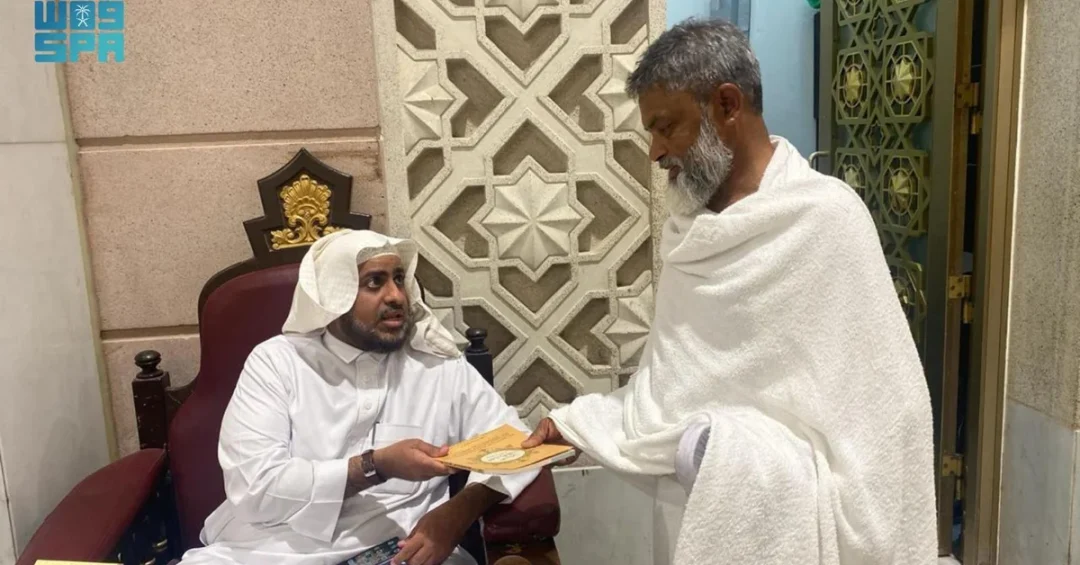
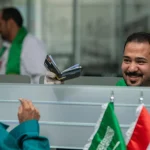
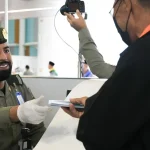
The Presidency for Religious Affairs at the Two Holy Mosques has warmly welcomed the first batch of pilgrims to the Grand Mosque in Makkah, offering them gifts, informative material, and a comprehensive suite of enriching religious programs. This initiative, announced via the Saudi Press Agency on May 11, 2024, is designed to elevate the spiritual journey of pilgrims during the sacred pilgrimage, reflecting the Kingdom’s unwavering commitment to providing exceptional services to all visitors.
Context and Background
The arrival of the first pilgrims marks the beginning of the annual Hajj season, a time of profound spiritual significance for Muslims worldwide. The Presidency for Religious Affairs at the Two Holy Mosques oversees the religious and spiritual aspects of the pilgrim experience, ensuring that every individual receives the guidance and support needed to perform their rituals with ease and devotion. This welcoming gesture underscores Saudi Arabia’s historical role as the Custodian of the Two Holy Mosques and its dedication to facilitating a meaningful pilgrimage for all.
In recent years, the Kingdom has invested heavily in enhancing the infrastructure and services at the holy sites, leveraging modern technology and innovative solutions to accommodate the growing number of pilgrims. The Presidency’s initiative is part of a broader strategy to enrich the spiritual journey through educational programs, digital tools, and personalized assistance, aligning with the goals of Saudi Vision 2030 to improve the quality of life and provide exceptional services to visitors.
Key Details
The Presidency emphasized its commitment to utilizing “high-quality enriching initiatives” that leverage cutting-edge technology, digital tools, modern media, artificial intelligence, and translation services. These tools are designed to streamline access to religious guidance, ensuring that pilgrims from diverse linguistic and cultural backgrounds can fully benefit from the services provided. The gifts and informative material distributed to the pilgrims include guides on performing rituals, educational brochures, and access to digital platforms that offer real-time assistance.
Furthermore, the Presidency seeks to “spread the moderate message of the two holy mosques globally,” in line with the aspirations of the Saudi leadership. This initiative embodies the values of tolerance and moderation, which are central to the Kingdom’s religious and cultural identity. By providing exceptional religious services, Saudi Arabia aims to ensure that every pilgrim leaves with a profound and positive spiritual experience.
Implications and Impact
The welcoming of the first pilgrims with such comprehensive programs has significant implications for the international Muslim community. It demonstrates Saudi Arabia’s commitment to facilitating a smooth and spiritually fulfilling pilgrimage, which is a pillar of Islam. The use of technology and AI in religious guidance is a forward-thinking approach that sets a benchmark for other countries hosting religious events. Moreover, the initiative reinforces Saudi Arabia’s position as a global leader in Islamic affairs, fostering goodwill and mutual understanding among nations.
Regionally, this development is likely to enhance the Kingdom’s reputation as a hub for religious tourism and cultural exchange. Internationally, it serves as a model of how modernity and tradition can coexist harmoniously, showcasing the progressive and welcoming nature of Saudi society. The emphasis on moderation and tolerance also counters extremist narratives, promoting a peaceful and inclusive interpretation of Islam.
Vision 2030 Alignment
This initiative is a testament to Saudi Arabia’s dedication to realizing the goals of Vision 2030, which includes enhancing the experience of pilgrims and visitors to the Two Holy Mosques. By leveraging technology and innovation, the Kingdom is transforming the pilgrimage experience into a seamless and enriching journey. This aligns with the broader objectives of Vision 2030 to develop the religious tourism sector, diversify the economy, and promote Saudi Arabia as a global center for Islamic culture and heritage. As the Kingdom continues to invest in the spiritual and physical infrastructure of the holy sites, it reaffirms its role as a beacon of hospitality and service to the Muslim world.
Looking ahead, Saudi Arabia remains committed to implementing the highest standards of service and care for pilgrims, ensuring that every aspect of their journey is facilitated with dignity and respect. This project, and others like it, will continue to elevate the Kingdom’s status as a leader in Islamic affairs and a model of modernity anchored in faith.
20 Questions
Q1. What is the main initiative described in the article?
A1. The Presidency for Religious Affairs at the Two Holy Mosques welcomed the first batch of pilgrims with gifts and enriching religious programs to elevate their spiritual journey.
Q2. Who is responsible for this initiative?
A2. The Presidency for Religious Affairs at the Two Holy Mosques is responsible for this initiative, as part of its role in overseeing religious services at the holy sites.
Q3. When did this event take place?
A3. The event was reported on May 11, 2024, according to the Saudi Press Agency.
Q4. What is the purpose of the gifts and informative material?
A4. The gifts and informative material are designed to provide pilgrims with guidance on performing rituals and to enhance their understanding of the pilgrimage.
Q5. How is technology being used in this initiative?
A5. The initiative leverages cutting-edge technology, including digital tools, modern media, artificial intelligence, and translation services, to streamline access to religious guidance.
Q6. What are the main objectives of the presidency in this context?
A6. The presidency aims to enrich the pilgrim experience and spread the moderate message of the two holy mosques globally, in line with Saudi leadership aspirations.
Q7. What values does the initiative embody?
A7. The initiative embodies the values of tolerance and moderation, which are central to Saudi Arabia’s religious and cultural identity.
Q8. How does this initiative align with Vision 2030?
A8. It aligns with Vision 2030 by enhancing the experience of pilgrims, developing religious tourism, and promoting Saudi Arabia as a global center for Islamic culture.
Q9. What is the significance of welcoming the first batch of pilgrims?
A9. It marks the beginning of the Hajj season and demonstrates Saudi Arabia’s readiness to provide exceptional services to pilgrims from around the world.
Q10. What role does translation play in the services provided?
A10. Translation services ensure that pilgrims from different linguistic backgrounds can access religious guidance in their own language, enhancing their experience.
Q11. How does the presidency plan to spread the moderate message globally?
A11. Through high-quality enriching initiatives, digital tools, and media, the presidency aims to share the values of tolerance and moderation with a global audience.
Q12. What is the role of artificial intelligence in this initiative?
A12. Artificial intelligence is used to provide real-time assistance and personalized guidance to pilgrims, making their spiritual journey more accessible and fulfilling.
Q13. Are there any specific examples of the gifts provided?
A13. The article mentions gifts and informative material, which may include educational brochures and guides, though specific items are not detailed.
Q14. What is the broader impact of this initiative on Saudi Arabia’s global image?
A14. It enhances Saudi Arabia’s reputation as a global leader in Islamic affairs and demonstrates its commitment to modernizing services while preserving tradition.
Q15. How does this initiative benefit the pilgrims themselves?
A15. Pilgrims benefit from streamlined access to religious guidance, enriching programs, and a more comfortable and spiritually fulfilling experience.
Q16. What is the historical context of Saudi Arabia’s role as Custodian of the Two Holy Mosques?
A16. Saudi Arabia has historically served as the Custodian of the Two Holy Mosques, responsible for the care and service of the holy sites in Makkah and Madinah.
Q17. How does this initiative contribute to religious tourism in Saudi Arabia?
A17. By improving the pilgrim experience, it encourages more Muslims to visit the holy sites, boosting religious tourism and supporting the Kingdom’s economic diversification goals.
Q18. What are some of the digital tools mentioned?
A18. The article mentions digital tools such as modern media, artificial intelligence, and translation services, though specific apps or platforms are not named.
Q19. How does the presidency ensure that pilgrims fully benefit from the services?
A19. By utilizing technology to streamline access to guidance and providing comprehensive programs, the presidency ensures pilgrims can make the most of their visit.
Q20. What future developments can be expected from this initiative?
A20. Future developments may include expanded use of technology, more personalized services, and continued alignment with Vision 2030 objectives to enhance the pilgrim experience.
Reader Feedback
We value your thoughts. Please share your feedback on this article.
Your feedback helps us improve our coverage.
Related articles
 First Indonesian Pilgrims Depart via Makkah Route Initiative
 Hira Cultural District: Makkah’s History, Culture, Tourism Hub
 Al-Baha’s Heritage Inns: A Gateway to Ancient Life
 AlUla Academy Launches Tourism Vocational Training
 Indonesian Pilgrims Depart for Saudi Arabia Under Makkah Route Initiative
 Makkah Route Initiative’s First Indonesian Flight Arrives in Madinah