


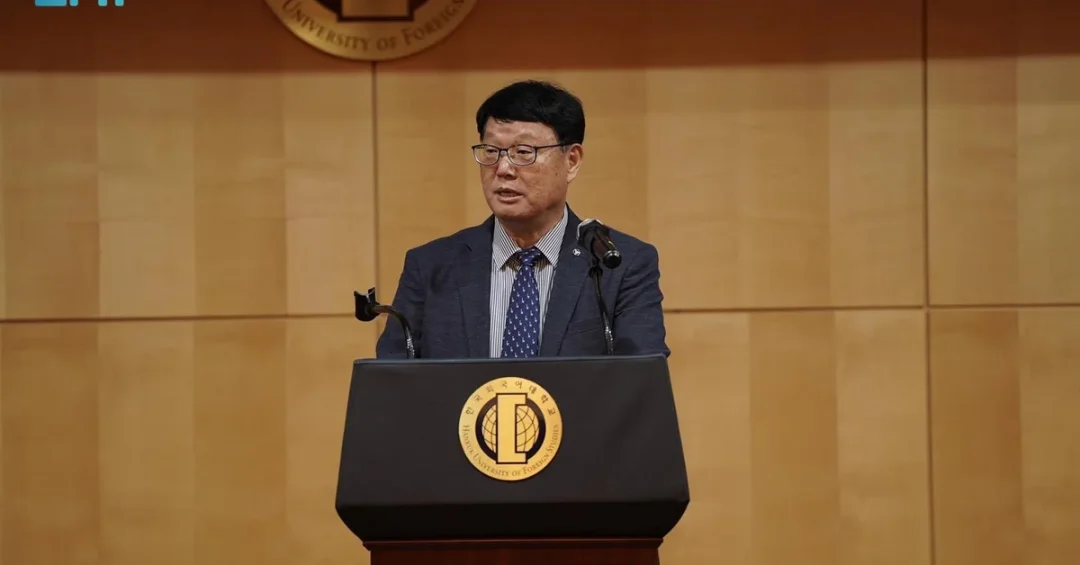
The King Salman Global Academy for the Arabic Language (KSGAAL) concluded a two-day conference on the challenges and prospects of teaching Arabic language and literature on May 10, 2024, in Seoul, Republic of Korea. The event, held in collaboration with the Korean Society for Arabic Language and Literature at Hankuk University of Foreign Studies (HUFS), brought together specialized linguistic academics, linguistic institutions, and heads of Korean linguistic societies and Arabic departments.
Context and Background
This conference is part of KSGAAL’s ongoing efforts to promote the Arabic language globally, particularly in non-Arabic-speaking countries. The academy’s initiatives in Korea have previously included offering courses, issuing books, and conducting lectures. The conference aimed to introduce the academy and its activities, reach beneficiaries worldwide, open communication channels, and benefit from various global experiences in teaching Arabic as a second language.
Key Details
Dr. Abdullah bin Saleh Al-Washami, Secretary-General of KSGAAL, expressed appreciation for the support and guidance of HRH Prince Badr bin Abdullah bin Farhan, Chairman of the Board of Trustees. This support strengthens the Academy’s strategy and goals in spreading the Arabic language worldwide. Dr. Jong-Wha Lee, President of the Korean Society for Arabic Language and Literature, noted that Arabic has foundations in Korea dating back to 1965. The conference aimed to revitalize Arabic language teaching through cooperation with Arab organizations and exchanges between specialists.
Implications and Impact
The conference underscores KSGAAL’s strategic role in addressing issues related to the Arabic language and its commitment to fostering international cooperation. It extends bridges of cooperation with parties concerned with teaching Arabic to non-native speakers, strengthens the Academy’s message in investing in opportunities to serve the language, and enhances its global position. This initiative is expected to improve Arabic language teaching methodologies in Korea and beyond, contributing to cultural and educational exchange.
Vision 2030 Alignment
The Secretary-General highlighted that these efforts align with Saudi Arabia’s Vision 2030, linking to the Arab culture that emerged from the Kingdom’s lands. By supporting Arabic language education worldwide, KSGAAL contributes to the Vision’s goals of promoting cultural exchange, enhancing the Kingdom’s global standing, and fostering international partnerships. The academy’s work exemplifies Saudi Arabia’s commitment to preserving and spreading the Arabic language, instilling confidence in its dedication to this noble mission.
20 Questions
Q1. What was the main purpose of the KSGAAL conference in Seoul?
A1. The conference aimed to discuss challenges and prospects of teaching Arabic language and literature, and to strengthen cooperation between KSGAAL and Korean academic institutions.
Q2. Which Korean university hosted the conference?
A2. The conference was held in collaboration with the Korean Society for Arabic Language and Literature at Hankuk University of Foreign Studies (HUFS).
Q3. Who is the Secretary-General of KSGAAL?
A3. Dr. Abdullah bin Saleh Al-Washami is the Secretary-General of KSGAAL.
Q4. What is the role of HRH Prince Badr bin Abdullah bin Farhan?
A4. He is the Chairman of the Board of Trustees of KSGAAL, providing support and guidance to the academy.
Q5. When did Arabic studies begin in the Republic of Korea?
A5. Arabic has foundations in the Republic of Korea dating back to 1965.
Q6. Who is Dr. Jong-Wha Lee?
A6. Dr. Jong-Wha Lee is the President of the Korean Society for Arabic Language and Literature.
Q7. What previous activities has KSGAAL conducted in Korea?
A7. KSGAAL has previously offered courses, issued books, and conducted lectures in Korea.
Q8. How does the conference align with Saudi Vision 2030?
A8. The conference supports Vision 2030 by promoting Arabic language education globally, enhancing cultural exchange, and strengthening international cooperation.
Q9. What were the objectives of the conference?
A9. Objectives included introducing KSGAAL, reaching beneficiaries worldwide, opening communication channels, and benefiting from global experiences.
Q10. Who attended the conference?
A10. The conference was attended by specialized linguistic academics, heads of Korean linguistic societies, and Arabic departments.
Q11. What is the KSGAAL’s strategic role?
A11. KSGAAL plays a strategic role in addressing issues related to the Arabic language and promoting its teaching worldwide.
Q12. How does KSGAAL extend cooperation?
A12. KSGAAL extends cooperation with parties concerned with teaching Arabic to non-native speakers to serve the language.
Q13. What is the significance of Arabic language foundations in Korea?
A13. Arabic foundations in Korea date back to 1965, indicating a long-standing interest in Arabic studies.
Q14. How does the conference contribute to Korean-Arab academic ties?
A14. The conference strengthens ties through collaboration, exchanges, and discussions on teaching methods.
Q15. What is KSGAAL’s commitment?
A15. KSGAAL is committed to preserving the integrity of the Arabic language and enhancing its global position.
Q16. How does the conference benefit Arabic language learners?
A16. It helps improve teaching methods and resources, facilitating learning for non-native speakers.
Q17. What is the KSGAAL’s approach to unifying scientific references?
A17. The conference aimed to work towards unifying scientific references concerning Arabic language and sciences.
Q18. How does the academy support Arabic language in speech and writing?
A18. KSGAAL supports Arabic in speech and writing through educational programs and initiatives.
Q19. What is the role of the Korean Society for Arabic Language and Literature?
A19. The society collaborates with KSGAAL to revitalize Arabic teaching and facilitate specialist exchanges.
Q20. How can interested parties benefit from KSGAAL’s activities?
A20. Interested parties can participate in courses, lectures, and conferences, and access KSGAAL’s published materials.
Reader Feedback
We value your thoughts. Please share your feedback on this article.
Your feedback helps us improve our coverage.
Related articles
 Cultural Development Fund Concludes Participation in 10th Saudi Film Festival
 Islamic University of Madinah Concludes Cultures Festival
 KONOZ Wins Two Golden Palm Awards at Saudi Film Festival
 Saudi Fashion Commission Hosts Virtual Panel on Digital Reality
 Pearl Diving: Farasan’s Maritime Legacy and Cultural Heritage
 Walking the Path of Faith: Ancient Hajj Routes to Makkah