


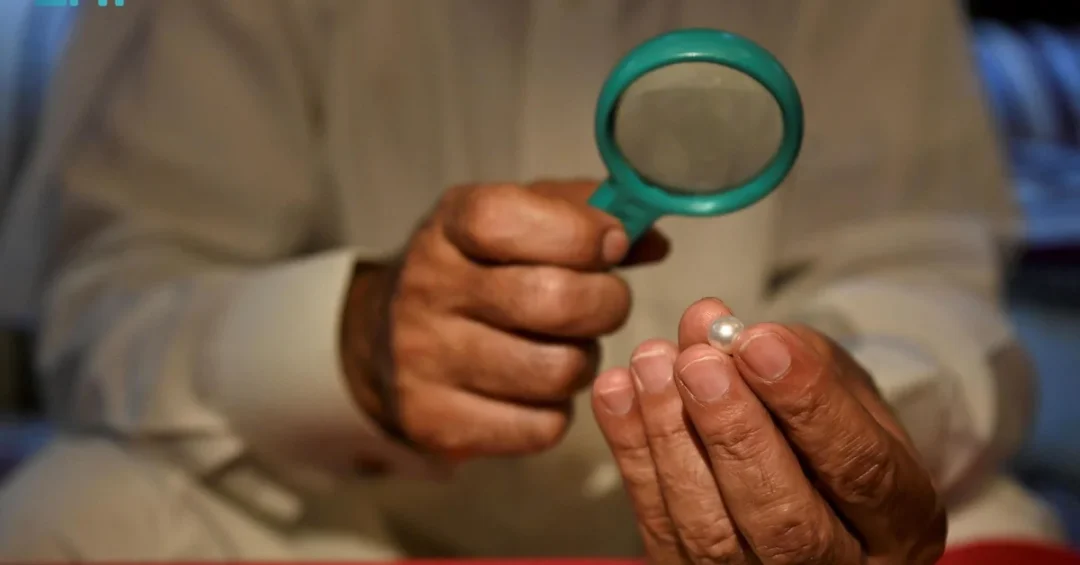
Pearl diving, once the economic and cultural lifeblood of the Farasan Islands, has left an indelible mark on the region’s identity, according to the Saudi Press Agency (SPA). This age-old practice, in which men braved the depths of the Red Sea in pursuit of precious pearls, profoundly shaped the traditions, economy, and social fabric of the Farasan archipelago, located in the southwest of Saudi Arabia. The Saudi Press Agency reported on May 12, 2024, that the legacy of pearl diving remains a vital part of the islands’ heritage.
Context and Background
The Farasan Islands, a pristine archipelago in the Red Sea, were historically renowned for their pearl-rich oyster beds. For generations, pearl diving served as the backbone of the local economy, particularly during the month of May, which marked the start of the diving season. This season typically lasted three to four months, coinciding with the summer months when pearl harvests were most plentiful. Ship owners would meticulously inspect their vessels for seaworthiness, while sailors’ families stocked provisions to last through the long absence of their loved ones. The practice not only sustained livelihoods but also fostered a unique cultural heritage that continues to resonate today.
Key Details
The pearl diving process was highly organized and demanding. Divers ventured out to oyster beds, with diving tasks divided into five-day cycles. The first four days’ haul belonged to the diver, while the fifth day’s bounty went to the ship owner. Divers used weights on their feet to descend over 12 meters underwater, connected by a lifeline to surface support who helped them ascend. In return for hauling the divers back up, these assistants received a share of the collected oysters. Diving commenced daily after sunrise and continued until noon, followed by a rest period. Afternoons were dedicated to prying open the oysters, with each diver assessing his day’s catch. Pearl merchants used seven copper sieves, each with progressively smaller holes, to sort large pearls from smaller ones, and scales ensured accurate measurement of the precious cargo’s value.
Cultural and Economic Impact
The demanding and often dangerous nature of pearl diving gave rise to the unique art form of Al-Dana folk singing. This melancholic genre, born from the depths of the sea, served as an outlet for sailors’ longing for home and loved ones, becoming a defining element of Farasan’s cultural heritage. Farasan’s pearl trade thrived, driving economic prosperity before the arrival of cultured and synthetic pearls. Today, pearl diving is an inseparable part of the islands’ history and cultural identity, a testament to the resilience and resourcefulness of its people. The Saudi Press Agency highlighted that the tradition continues to be celebrated as a symbol of the Kingdom’s maritime legacy.
Implications and Impact
The legacy of pearl diving extends beyond Farasan, reflecting Saudi Arabia’s broader commitment to preserving its cultural heritage while embracing modernity. The islands’ pearl diving history is a key attraction for cultural tourism, aligning with the Kingdom’s efforts to diversify its economy and promote regional tourism under Vision 2030. By showcasing Farasan’s unique heritage, Saudi Arabia aims to attract international visitors and foster a deeper understanding of its rich history. The Saudi Press Agency’s report underscores the importance of documenting and celebrating such traditions as part of the nation’s identity.
Vision 2030 Alignment
The preservation and promotion of Farasan’s pearl diving heritage are directly aligned with Saudi Arabia’s Vision 2030, which seeks to diversify the economy, enhance cultural tourism, and celebrate the Kingdom’s historical legacy. As Saudi Arabia continues to develop its tourism sector, sites like the Farasan Islands offer immersive experiences that connect visitors with the nation’s maritime past. By investing in cultural preservation and sustainable tourism, the Kingdom not only honors its heritage but also creates new opportunities for economic growth and international engagement. The pearl diving tradition of Farasan stands as a shining example of how Saudi Arabia’s rich history can inform and inspire its forward-looking future.
20 Questions
Q1. What was the historical significance of pearl diving in the Farasan Islands?
A1. Pearl diving was the economic lifeblood of the Farasan Islands, driving prosperity and shaping local culture and traditions for generations. It provided livelihoods for many families and established the islands as a center of the pearl trade in the Red Sea region.
Q2. When did the pearl diving season typically begin and how long did it last?
A2. The pearl diving season usually began in May and lasted three to four months, coinciding with the summer months when pearl harvests were most plentiful. This period was crucial for the local economy and community life.
Q3. How did ship owners prepare for the pearl diving season?
A3. Ship owners would inspect their vessels for seaworthiness and ensure that provisions were stocked to last through the sailors’ absence. They also made arrangements for the families left behind, demonstrating a strong sense of community responsibility.
Q4. What was the division of the pearl haul between divers and ship owners?
A4. The diving tasks were divided into five-day cycles. The first four days’ haul belonged to the diver, while the fifth day’s bounty went to the ship owner. This system provided incentive for divers while ensuring profitability for owners.
Q5. How deep did divers descend and what equipment did they use?
A5. Divers used weights on their feet to descend over 12 meters underwater. A lifeline connected them to surface support who helped them ascend, and in return, these assistants received a share of the collected oysters.
Q6. What was the daily routine of pearl divers?
A6. Diving commenced daily after sunrise and continued until noon, followed by a rest period. Afternoons were dedicated to prying open the oysters, with each diver assessing his day’s catch. This routine balanced physical exertion with essential recovery time.
Q7. How were pearls sorted and valued?
A7. Pearl merchants used seven copper sieves, each with progressively smaller holes, to sort large pearls from smaller ones. Scales and other instruments ensured accurate measurement of the precious cargo’s value, reflecting a sophisticated trading system.
Q8. What is Al-Dana and how did it originate?
A8. Al-Dana is a unique art form of folk singing that emerged from the demanding and often dangerous nature of pearl diving. This melancholic genre served as an outlet for sailors’ longing for home and loved ones, becoming a defining element of Farasan’s cultural heritage.
Q9. What led to the decline of the pearl trade in Farasan?
A9. The arrival of cultured and synthetic pearls led to the decline of Farasan’s pearl trade, which had thrived and driven economic prosperity. Despite this, pearl diving remains an inseparable part of the islands’ history and cultural identity.
Q10. How is pearl diving remembered today in the Farasan Islands?
A10. Today, pearl diving is celebrated as a testament to the resilience and resourcefulness of Farasan’s people. It is an integral part of the islands’ cultural identity and history, preserved through oral traditions and cultural events.
Q11. What role does the Saudi Press Agency play in preserving this heritage?
A11. The Saudi Press Agency documents and reports on cultural heritage like Farasan’s pearl diving, ensuring that these traditions are recognized and preserved for future generations. Their coverage helps promote awareness and appreciation of Saudi Arabia’s rich history.
Q12. How does pearl diving heritage align with Vision 2030?
A12. Pearl diving heritage aligns with Vision 2030 by supporting cultural tourism and economic diversification. It showcases Saudi Arabia’s historical legacy, attracting visitors and fostering a deeper understanding of the Kingdom’s maritime past, while creating new opportunities for growth.
Q13. What economic activities supported the pearl diving industry?
A13. The pearl diving industry was supported by ship owners, divers, surface assistants, and pearl merchants. Each played a vital role in the supply chain, from vessel preparation to sorting and valuing the pearls, creating a robust local economy.
Q14. How did families cope with the absence of sailors during the diving season?
A14. Families stocked provisions to last through the husbands’ absence, ensuring their needs were met. The community provided support, and the sailors’ return was celebrated, reinforcing social bonds and resilience.
Q15. What made pearl diving a dangerous profession?
A15. Pearl diving was dangerous due to the depths involved, often exceeding 12 meters, and the physical risks of underwater work. Divers relied on lifelines and surface support, but the profession still claimed lives and required immense courage.
Q16. How did pearl diving influence Farasan’s social structure?
A16. Pearl diving created a hierarchical yet interdependent social structure, with ship owners, divers, and assistants each playing specific roles. The shared hardships and rewards fostered a strong sense of community and cultural cohesion.
Q17. Are there any modern revivals of pearl diving in Farasan?
A17. While pearl diving is no longer a major economic activity, there are cultural initiatives and events that celebrate this heritage. These efforts aim to educate new generations and tourists about the islands’ maritime history and traditions.
Q18. What is the significance of the month of May in pearl diving history?
A18. May marked the start of the pearl diving season, a time of anticipation and preparation. It signaled the beginning of months of hard work and separation, but also the potential for great reward and prosperity for the community.
Q19. How does the story of pearl diving reflect Saudi Arabia’s broader cultural heritage?
A19. Pearl diving reflects Saudi Arabia’s broader cultural heritage by showcasing the resilience, resourcefulness, and rich traditions of its coastal communities. It highlights the Kingdom’s maritime history and its commitment to preserving cultural identity.
Q20. What can visitors learn from exploring Farasan’s pearl diving heritage?
A20. Visitors can learn about the arduous yet rewarding life of pearl divers, the cultural expressions like Al-Dana, and the economic significance of the pearl trade. It offers a glimpse into a bygone era that shaped the islands’ identity and continues to inspire.
Reader Feedback
We value your thoughts. Please share your feedback on this article.
Your feedback helps us improve our coverage.
Related articles
 Walking the Path of Faith: Ancient Hajj Routes to Makkah
 Saudi Film Commission Boosts Saudi Presence at Cannes 2024
 Quality of Life Program Boosts Culture and Tourism Jobs
 Saudi Museums Commission to Host Education and Innovation Conference
 King Abdulaziz Foundation Releases Film on Majlis Culture
 Riyadh to Host International Kahila Arabian Horse Championship on May 22