


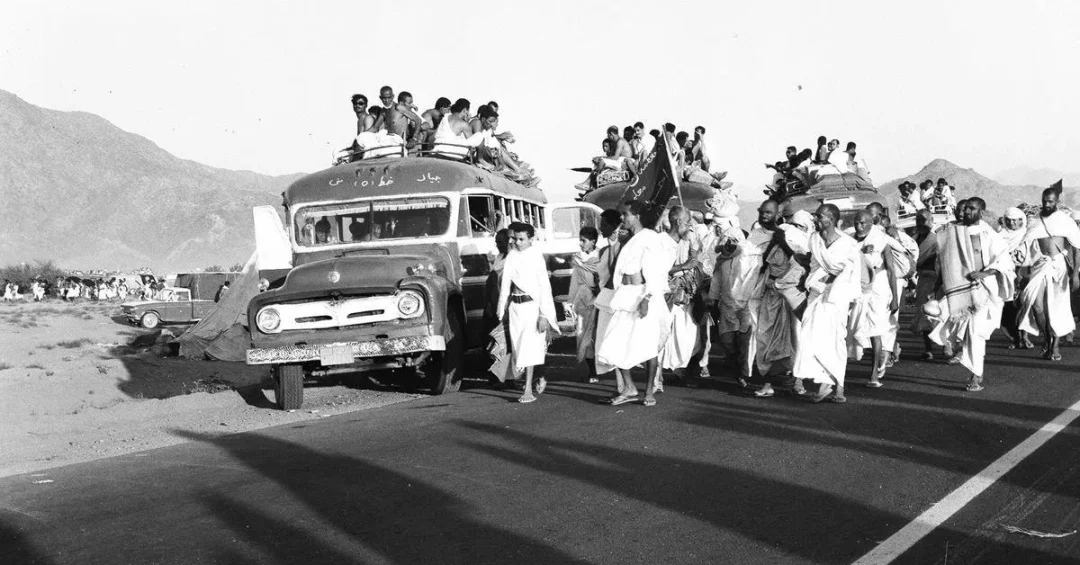
Convoys of pilgrims have traversed numerous ancient routes towards Makkah, fulfilling the fifth pillar of Islam, as documented by the Saudi Press Agency (SPA) on May 12, 2024. These paths, including the renowned Zubaydah Trail and the Iraqi, Levantine, Egyptian, Yemeni, and Omani pilgrim routes, served as vital arteries of faith, commerce, and cultural exchange across the Islamic world. Today, the Kingdom of Saudi Arabia honors this rich heritage while ensuring the safety and comfort of millions of pilgrims through modern infrastructure and Vision 2030 initiatives.
Context and Background
Historical records document seven primary Hajj routes that once led to Makkah and Madinah, each playing a unique role in the spiritual and economic life of the Islamic era. These routes were not merely pathways but thriving corridors of civilization, facilitating the exchange of goods, ideas, and traditions. The Kufa/Makkah route, known as the Zubaydah Trail, stands as a testament to the foresight of Zubaydah bint Jaafar bin Abi Jaafar Al-Mansur, wife of Caliph Harun Al-Rashid. Her contributions ensured the route’s enduring legacy, spanning over 1,400 km within the Kingdom and traversing five regions: the Northern Border, Hail, Qassim, Madinah, and Makkah.
Key Details
The Basra/Makkah route, the second most significant, stretched approximately 1,200 km with 27 main stations, four of which lie in Kuwait and Iraq. It passed through the challenging Al-Dahna Desert and the fertile Qassim region, converging with the Kufa road at Um Khurman or Awtas. The Egyptian Hajj Road, used by pilgrims from Morocco, Andalusia, and Africa, crossed the Sinai Peninsula to Ayla (Aqaba) before following internal and coastal trails. Yemeni routes connected Aden, Taiz, Sanaa, Zabid, and Saadah to the Hijaz, while Omani pilgrims utilized paths through Yabrin, Bahrain, Yamama, and Dhariyah. The Bahrain-Yamama-Makkah route linked the Hejaz with Iraq, and the Levantine route connected the Levant to the holy sites.
During the Abbasid era, the Kufa/Makkah route gained prominence, with caliphs constructing water basins, wells, ponds, and minarets to support pilgrims. The route was paved with stones in sandy or muddy areas and equipped with essential amenities. These infrastructure developments transformed water centres, grazing areas, and mining sites into significant stations, enhancing the pilgrimage experience for travelers and their animals.
Implications and Impact
The ancient Hajj routes fostered commerce and disseminated knowledge across Islamic cities, influencing societal structures along the way. They served as bridges of communication, connecting diverse cultures and nationalities in a shared spiritual journey. Today, the Kingdom of Saudi Arabia continues this legacy by investing in modern transportation networks, accommodations, and services that cater to millions of pilgrims annually. The preservation of these historical routes also offers opportunities for cultural tourism, allowing visitors to explore the rich heritage of the Hajj.
Vision 2030 Alignment
Under Vision 2030, Saudi Arabia is committed to enhancing the pilgrimage experience while preserving its cultural and historical heritage. Initiatives such as the expansion of the Two Holy Mosques, the development of smart pilgrimage solutions, and the promotion of cultural tourism align with the goals of diversifying the economy and showcasing the Kingdom’s pivotal role in the Islamic world. By honoring the ancient routes and ensuring their legacy, Saudi Arabia reinforces its position as a global leader in serving pilgrims and promoting intercultural understanding.
20 Questions
Q1. What is the significance of the ancient Hajj routes?
A1. The ancient Hajj routes were vital pathways for pilgrims fulfilling the fifth pillar of Islam, also serving as corridors for commerce, cultural exchange, and knowledge dissemination across the Islamic world, connecting diverse cities and regions.
Q2. Which is the most famous ancient Hajj route?
A2. The Kufa/Makkah route, known as the Zubaydah Trail, is the most famous, honored for Zubaydah bint Jaafar’s contributions. It spanned over 1,400 km within Saudi Arabia, passing through five regions.
Q3. Who was Zubaydah bint Jaafar?
A3. Zubaydah bint Jaafar bin Abi Jaafar Al-Mansur was the wife of Caliph Harun Al-Rashid. She played a significant role in constructing the Kufa/Makkah route, ensuring its enduring legacy throughout the ages.
Q4. How long was the Basra/Makkah route?
A4. The Basra/Makkah route spanned about 1,200 km and featured 27 main stations. Four stations were located within Kuwaiti and Iraqi borders, while the remaining stations were situated in Saudi Arabia.
Q5. Which deserts did the Basra/Makkah route traverse?
A5. The route passed through various desert regions, including the challenging Al-Dahna Desert. It also went through the Qassim region, known for its abundant fresh water, fertile valleys, and springs.
Q6. What was the Egyptian Hajj Road?
A6. The Egyptian Hajj Road was used by pilgrims from Egypt, Morocco, Andalusia, and Africa. They crossed the Sinai Peninsula to Ayla (Aqaba), then followed either an internal trail or a coastal trail to Makkah.
Q7. Which cities did Yemeni pilgrims depart from?
A7. Yemeni pilgrims departed from major cities such as Aden, Taiz, Sanaa, Zabid, and Saadah in northern Yemen. They utilized three routes: the coastal road, the internal or middle road, and the upper road.
Q8. What were the Omani Hajj routes?
A8. Omani pilgrims could take two routes: one started from Oman through Yabrin, Bahrain, Yamama, and Dhariyah; the other began from Furq, Oklan, Habah coast, and Shahr, joining a main Yemeni road to Makkah.
Q9. What was the Bahrain-Yamama-Makkah route?
A9. This significant route crossed central parts of the Arabian Peninsula, connecting many countries and regions. It linked the Hejaz and Iraq, the centre of the Abbasid caliphate, and met the Basra pilgrimage route.
Q10. What was the Levantine pilgrimage route?
A10. The Levantine pilgrimage route connected the Levant to the holy sites of Makkah and Medina. It was the seventh primary route and facilitated the journey for pilgrims from the Levant region.
Q11. How did the Abbasid caliphs support the Hajj routes?
A11. Abbasid caliphs constructed water basins, dug wells, established ponds, and built minarets along the routes. They also expanded the routes to accommodate pilgrims, travelers, and their animals, enhancing functionality.
Q12. What amenities were provided on the ancient Hajj routes?
A12. The routes were equipped with wells, ponds, dams, and rest houses. In sandy or muddy areas, the surface was paved with stones. These amenities ensured the safety and comfort of pilgrims.
Q13. How did the Hajj routes influence society?
A13. The routes fostered commerce, disseminated cultures and knowledge, and influenced the societal structure of gatherings along the way. They served as bridges of communication among Islamic cities bustling with activity.
Q14. What is the total length of the Zubaydah Trail within Saudi Arabia?
A14. The Zubaydah Trail exceeds 1,400 km within the Kingdom’s territory, spanning five regions: the Northern Border, Hail, Qassim, Madinah, and Makkah Regions.
Q15. Which regions does the Zubaydah Trail pass through?
A15. The Zubaydah Trail passes through the Northern Border, Hail, Qassim, Madinah, and Makkah Regions, covering a vast expanse of the Kingdom.
Q16. What was the significance of the Kufa/Makkah route during the Abbasid era?
A16. During the Abbasid era, the route gained significant importance as a major pilgrimage and trade route. Caliphs took great care of it, implementing measures to enhance its functionality and accommodate pilgrims.
Q17. How many primary Hajj routes led to Makkah and Madinah?
A17. Historical records document seven primary routes that once led to Makkah and Madinah, each playing a unique role in the spiritual and economic life of the Islamic era.
Q18. What was the role of the Hajj routes in trade?
A18. The routes facilitated commerce by connecting various Islamic cities, allowing goods to be traded along the way. They transformed water centres, grazing areas, and mining sites into significant stations.
Q19. How does Saudi Arabia preserve the heritage of the Hajj routes today?
A19. Saudi Arabia preserves this heritage through cultural tourism initiatives and historical documentation. Under Vision 2030, the Kingdom invests in modern infrastructure while honoring the legacy of the ancient routes.
Q20. How do the ancient Hajj routes align with Vision 2030?
A20. Vision 2030 aims to enhance the pilgrimage experience and promote cultural tourism. By preserving the ancient routes and investing in modern services, Saudi Arabia reinforces its role as a global leader in serving pilgrims.
Reader Feedback
We value your thoughts. Please share your feedback on this article.
Your feedback helps us improve our coverage.
Related articles
 Saudi Film Commission Boosts Saudi Presence at Cannes 2024
 Quality of Life Program Boosts Culture and Tourism Jobs
 Saudi Museums Commission to Host Education and Innovation Conference
 King Abdulaziz Foundation Releases Film on Majlis Culture
 Riyadh to Host International Kahila Arabian Horse Championship on May 22
 Grand Mosque Library: A Beacon of Islamic Knowledge and Heritage