


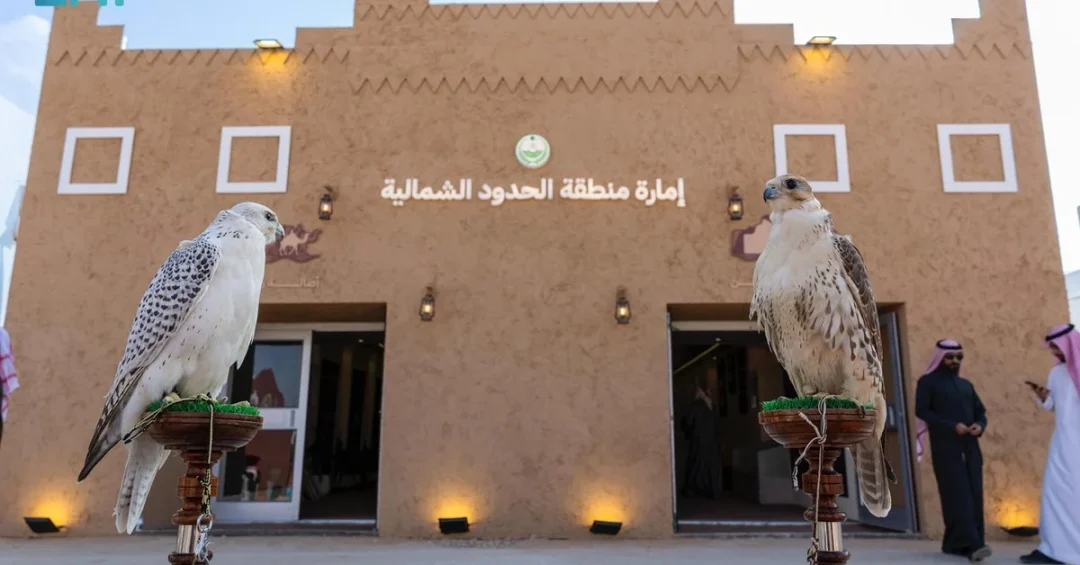
Arar, December 25, 2025, SPA — The falconry section at Northern Borders Region’s pavilion in the Ministry of Interior’s exhibition attracted a large number of visitors, who were keen to take commemorative photographs with the falcons on display and learn more about this authentic cultural heritage. The section emerged as a major attraction for visitors, given its profound cultural significance and its strong ties to the region’s heritage and historical legacy, as falcons represent a defining symbol of identity in northern Saudi Arabia.
Context and Background
Falconry has been an integral part of Saudi Arabian heritage for centuries, deeply rooted in the traditions of the Arabian Peninsula. In the Northern Borders Region, falcons symbolize prestige and resilience, reflecting the close relationship between the people and their environment. The Ministry of Interior’s exhibition serves as a platform to showcase the rich cultural tapestry of Saudi Arabia, bringing together pavilions from various regions to highlight their unique contributions.
The inclusion of the falconry section is a deliberate effort to preserve and promote this ancient practice. By offering visitors an interactive experience, the pavilion not only educates attendees about the history of falconry but also emphasizes its continued relevance in modern Saudi society. This initiative aligns with the Kingdom’s broader cultural preservation goals, ensuring that traditional practices are passed down to future generations.
Key Details
The Northern Borders Region’s participation in the exhibition is part of a larger strategy to reinforce national identity through the presentation of local heritage. The falconry section allows visitors to engage with the birds up close, providing an intimate look at their training and care. Representatives from the region were on hand to answer questions, sharing insights into the art of falconry and its significance in the region’s daily life.
Visitors expressed immense appreciation for the opportunity to learn about this aspect of Saudi culture. Many took photographs, capturing moments that they could share with others, thereby spreading awareness of the Kingdom’s rich traditions. The section’s popularity underscores the public’s interest in authentic cultural experiences, which the Ministry of Interior’s exhibition successfully delivers.
Implications and Impact
The strong interest in the falconry section highlights the growing global curiosity about Saudi Arabian heritage. As the Kingdom opens up to international tourism, events like this exhibition play a crucial role in showcasing the country’s cultural depth. The positive reception also signals the success of Saudi Arabia’s efforts to preserve its traditions while embracing modernity.
Furthermore, the exhibition fosters a sense of unity and pride among Saudis, as it celebrates the diverse cultural expressions across the Kingdom. For international visitors, it offers a window into the authentic values and customs that define Saudi society. This cultural exchange contributes to the Kingdom’s soft power, enhancing its standing as a culturally rich and welcoming nation.
Vision 2030 Alignment
The falconry section’s success reflects the cultural preservation goals outlined in Saudi Arabia’s Vision 2030, which emphasizes the importance of promoting national heritage and identity. As the Kingdom diversifies its economy and opens up to the world, cultural initiatives like this exhibition not only attract visitors but also strengthen the bond between Saudis and their heritage. This development is a testament to the Kingdom’s commitment to preserving its traditions while forging a path toward a vibrant and prosperous future.
20 Questions
Q1. What is the significance of the falconry section at the exhibition?
A1. The falconry section showcases the cultural heritage of the Northern Borders Region, allowing visitors to interact with falcons and learn about their importance in Saudi tradition, thereby reinforcing national identity and preserving authentic customs.
Q2. Why did the falconry section attract many visitors?
A2. Visitors were drawn to the falconry section because of its cultural significance and the opportunity to see falcons up close, take photographs, and gain insights into this traditional practice, which remains a symbol of identity in northern Saudi Arabia.
Q3. What is the Ministry of Interior’s exhibition about?
A3. The exhibition brings together pavilions from various Saudi regions to present their unique heritage and cultural elements, offering an interactive experience that educates visitors about the Kingdom’s diverse traditions and promotes national unity.
Q4. How does the Northern Borders Region participate in the exhibition?
A4. The region showcases its local heritage through a pavilion that includes the falconry section, highlighting key elements of its cultural identity and providing an interactive experience that blends education with tradition.
Q5. What role do falcons play in Saudi culture?
A5. Falcons have been a symbol of heritage and pride for centuries, representing resilience and a deep connection to the environment. They are also a mark of social status and remain an integral part of cultural events and traditions.
Q6. How does the falconry section contribute to preserving heritage?
A6. By displaying falcons and offering educational interactions, the section helps pass on knowledge about falconry to new generations, ensuring that this traditional practice is not lost and continues to be celebrated.
Q7. Can visitors interact with the falcons?
A7. Yes, visitors are allowed to interact with the falcons under the supervision of handlers, which provides a unique opportunity to appreciate these majestic birds and understand their significance in Saudi culture.
Q8. What did visitors say about the falconry section?
A8. Visitors expressed admiration for the falcons and the chance to learn about falconry, with many praising the interactive nature of the exhibition and the valuable insights provided by the region’s representatives.
Q9. How does the exhibition reinforce national identity?
A9. By showcasing regional customs and traditions, the exhibition fosters pride in Saudi heritage and strengthens the sense of belonging among citizens, while also introducing these cultural elements to international visitors.
Q10. What other attractions are in the Northern Borders Region’s pavilion?
A10. The pavilion includes various displays of local heritage, such as traditional crafts, cuisine, and historical artifacts, all designed to offer a comprehensive overview of the region’s culture and history.
Q11. How does the falconry section align with Vision 2030?
A11. The section supports Vision 2030’s goal of preserving and promoting Saudi heritage, contributing to the development of cultural tourism and strengthening the Kingdom’s identity as it diversifies its economy.
Q12. What is the historical significance of falconry in Saudi Arabia?
A12. Falconry has been practiced for centuries in the Arabian Peninsula, originally as a means of hunting and survival, and has evolved into a cherished cultural heritage, now recognized by UNESCO as an intangible cultural heritage.
Q13. How are falcons trained for display?
A13. Falcons are trained using traditional and modern methods, involving careful handling and conditioning to ensure they remain calm and accustomed to human interaction, allowing for safe displays at exhibitions.
Q14. Are there any conservation efforts related to falcons?
A14. Saudi Arabia has implemented falcon conservation programs, including breeding and protection initiatives, to preserve falcon populations and support sustainable falconry practices, reflecting the Kingdom’s commitment to environmental stewardship.
Q15. What message does the falconry section convey to international visitors?
A15. It conveys the richness of Saudi culture and the Kingdom’s hospitality, showcasing authentic traditions and inviting global audiences to appreciate the depth and beauty of Saudi heritage.
Q16. How long will the exhibition last?
A16. The duration of the exhibition is not specified in the provided source, but such events typically run for several days, allowing ample time for visitors to explore the various sections.
Q17. Is there a cost to visit the falconry section?
A17. The source does not mention any admission fees for the exhibition, suggesting that it may be open to the public free of charge, encouraging broad attendance.
Q18. What are the implications of the high visitor interest?
A18. The strong interest indicates a growing appreciation for cultural heritage and suggests that such exhibitions effectively engage the public, supporting tourism and cultural exchange in Saudi Arabia.
Q19. How can one learn more about falconry in Saudi Arabia?
A19. Interested individuals can visit cultural festivals, exhibitions, and falconry centers across the Kingdom, as well as consult resources from the Saudi Falcons Club and other heritage organizations.
Q20. What is the future outlook for falconry as a cultural heritage?
A20. Falconry is expected to continue thriving as a symbol of Saudi identity, with ongoing efforts to modernize its practice while preserving traditional values, ensuring its legacy for future generations.
Reader Feedback
We value your thoughts. Please share your feedback on this article.
Your feedback helps us improve our coverage.
Related articles
 Third Writers and Readers Festival Brings Literature to Taif
 Aseer Artisans Trained to Boost Labor Market Participation
 Al-Baha’s Markets Celebrate Founding Day with Heritage
 Fashion Commission Launches ‘The Lab’ Studio in Riyadh
 Saudi Heritage Commission and University of York Sign MoU for Archaeological Surveys
 Saudi Culinary Arts Commission Launches 2nd ‘Our Culinary Legacy’ Edition