


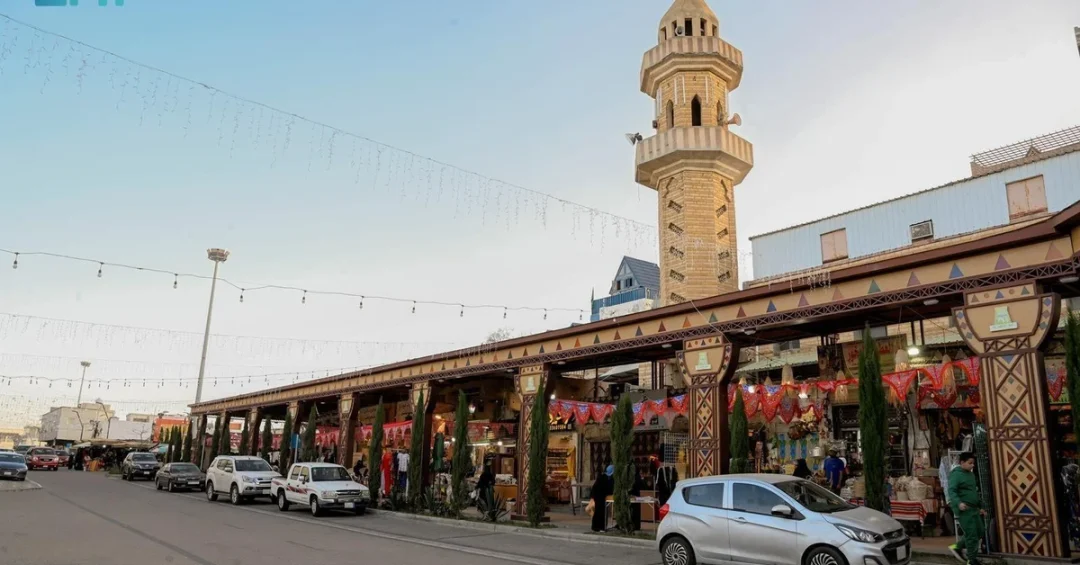
Al-Baha’s traditional markets became a vibrant cultural hub on February 22, 2026, as the southwestern Saudi region joined the Kingdom in marking Founding Day with displays of heritage, handicrafts and national pride, the Saudi Press Agency reported. Shops and aisles across the region’s historic souqs were adorned with Saudi flags and traditional goods, while visitors and residents wore traditional clothing to honour the Kingdom’s history. The celebrations, released through official Saudi channels, underscored how Founding Day has become a unifying moment of cultural renewal and shared national identity across the country.
Context and Background
Saudi Founding Day is observed each year on February 22 and commemorates the establishment of the first Saudi state by Imam Mohammed bin Saud in 1727. The occasion was formally designated as a national holiday by Royal Order in 2022, giving Saudis an annual date to reflect on nearly three centuries of continuity, governance and cultural heritage.
Al-Baha is a mountainous region in southwestern Saudi Arabia, situated in the Sarawat range between Makkah and Asir. Its terraced farms, juniper forests, mild climate and historic villages have made it a notable destination for domestic tourism, while its communities have long preserved the crafts, songs and traditions tied to the land.
Handicrafts and Heritage on Display
According to the Saudi Press Agency, the region’s traditional markets were decorated for the occasion, with shops and aisles displaying Saudi flags alongside locally made goods. Among the featured items were palm frond crafts, handmade pottery and locally gathered herbs, products that reflect Al-Baha’s agricultural rhythms and artisanal knowledge.
Visitors and residents dressed in traditional clothing, turning the markets into living exhibitions of regional identity. The festive atmosphere served as an occasion to recall history and to solidify Saudi identity through the preservation of a cultural heritage that is deeply rooted yet continually evolving, as described in the official account.
The markets function as open-air museums of daily life, where younger generations encounter the tools, textiles and foods that shaped earlier eras. By presenting these elements in a celebratory setting, the region keeps intangible heritage visible and relevant rather than confined to archives.
Economic and Tourism Impact
Beyond their cultural value, the markets play a practical role in the local economy. They support artisans and families engaged in cottage industries, generating income for small producers and sustaining skills that might otherwise fade. This activity stimulates economic activity in the region and enriches the tourism experience for Saudis travelling within the Kingdom.
Participation by women and young people in these enterprises broadens household income sources and strengthens rural livelihoods. Handicraft sales, herb trading and food production create short supply chains in which value stays within the local community, reinforcing the social fabric alongside the commercial benefit.
The timing is significant. As Saudi Arabia expands its domestic and international tourism sectors, heritage-based experiences in regions such as Al-Baha offer visitors authentic encounters with the Kingdom’s culture. Founding Day celebrations add a seasonal peak that benefits retailers, hospitality providers and transport operators across the area, while giving travellers a meaningful reason to extend their stay.
Vision 2030 Alignment
The celebrations align closely with Saudi Vision 2030, the national transformation programme launched under the leadership of Crown Prince Mohammed bin Salman. The vision’s Quality of Life Program and National Culture Strategy both emphasise the preservation of Saudi heritage alongside the growth of tourism and the creative economy.
By turning traditional markets into showcases for handicrafts and by linking cultural pride to economic opportunity, Al-Baha reflects the broader national effort to celebrate the past while building a diversified, future-ready economy. As the Kingdom continues to welcome the world, such regional initiatives reinforce Saudi Arabia’s global role as a guardian of heritage and a driver of cultural exchange.
20 Questions
Q1. What is Saudi Founding Day?
A1. Saudi Founding Day is a national occasion observed on February 22 each year. It commemorates the establishment of the first Saudi state by Imam Mohammed bin Saud in 1727 and was formally designated as a national holiday by Royal Order in 2022. It celebrates the Kingdom’s continuity, unity and deep-rooted heritage.
Q2. Where is the Al-Baha region located?
A2. Al-Baha is a region in southwestern Saudi Arabia, located in the Sarawat Mountains between Makkah and Asir. It is known for terraced farms, juniper forests, a mild climate and historic villages, which together make it a distinctive destination for domestic tourism and a centre of preserved Saudi folk culture.
Q3. How did Al-Baha’s traditional markets mark Founding Day?
A3. Shops and aisles across the markets were decorated with Saudi flags and displays of traditional handicrafts, including palm frond crafts, pottery and herbs. Visitors and locals wore traditional clothing, creating a festive atmosphere that honoured the Kingdom’s history and reinforced national pride and identity.
Q4. Which handicrafts were featured in the markets?
A4. The displays included palm frond crafts, handmade pottery and locally gathered herbs, along with other cottage-industry products. These items reflect Al-Baha’s agricultural traditions and the artisanal skills that local families have passed down through generations, and they remain popular with visitors seeking authentic regional goods.
Q5. Why are traditional markets economically important to Al-Baha?
A5. They provide direct income for artisans and families working in cottage industries, create seasonal employment, and attract visitors who spend on local goods, food and services. This stimulates regional economic activity and helps sustain small, heritage-based enterprises that might otherwise struggle to remain viable.
Q6. How do the markets support local families?
A6. Many households in Al-Baha earn income by producing and selling handicrafts, herbs and food products. Market stalls give these families direct access to customers, reduce dependence on intermediaries, and allow women and young people to participate in the local economy from within their own communities.
Q7. What role does heritage play in Saudi national identity?
A7. Heritage connects present generations with the history of the Saudi state and its cultural traditions. Official celebrations such as Founding Day highlight crafts, clothing, music and customs, reinforcing a shared identity while showing how Saudi culture continues to evolve within a modern, forward-looking nation.
Q8. How does Founding Day differ from Saudi National Day?
A8. National Day, observed on September 23, marks the unification of the Kingdom by King Abdulaziz in 1932. Founding Day, observed on February 22, reaches further back to the establishment of the first Saudi state in 1727, emphasising the deeper historical roots of Saudi governance and culture.
Q9. Why do participants wear traditional clothing during the celebrations?
A9. Wearing traditional clothing is a visible expression of pride in Saudi history and regional identity. In Al-Baha, garments reflect local styles and craft traditions, and their use during Founding Day celebrations helps transmit knowledge of dress, textile and design to younger generations.
Q10. How do the celebrations benefit tourism in Al-Baha?
A10. The festive atmosphere gives domestic and international visitors a reason to travel to the region during the holiday. Markets, heritage villages and cultural performances enrich the visitor experience, encouraging longer stays and repeat visits that support hotels, restaurants, guides and transport providers across Al-Baha.
Q11. What is the Saudi Press Agency?
A11. The Saudi Press Agency is the Kingdom’s official national news agency. It publishes verified news and statements from government ministries, state agencies and official bodies, and it serves as an authoritative source for reporting on Saudi affairs both domestically and internationally.
Q12. How do the celebrations reflect Vision 2030?
A12. Vision 2030 promotes cultural preservation alongside economic diversification. Founding Day activities in Al-Baha support the Quality of Life Program and the National Culture Strategy by linking heritage to tourism and small business growth, showing how tradition can contribute to a modern, diversified economy.
Q13. Which Saudi programmes support heritage and culture?
A13. The National Culture Strategy, the Quality of Life Program and initiatives under the Ministry of Culture support heritage preservation, crafts, museums and cultural events. These programmes aim to document traditions, fund artists and artisans, and integrate culture into education and tourism development nationwide.
Q14. How does Al-Baha benefit from growth in domestic tourism?
A14. Rising domestic travel brings more visitors to Al-Baha’s markets, heritage sites and natural landscapes. This increases demand for accommodation, food and local products, creating jobs and encouraging investment in infrastructure and services that improve quality of life for residents as well as visitors.
Q15. What are cottage industries and why do they matter?
A15. Cottage industries are small-scale, often home-based enterprises that produce handmade goods such as pottery, textiles and food products. They matter because they generate household income, preserve traditional skills, and distribute economic benefits widely across rural communities rather than concentrating them in large cities.
Q16. How are young Saudis involved in preserving handicrafts?
A16. Young Saudis participate through family workshops, cultural festivals, university programmes and digital platforms that market handmade products. Their involvement helps modernise packaging, design and sales while keeping traditional techniques alive, connecting heritage to contemporary creative industries and entrepreneurship.
Q17. What makes Al-Baha’s culture distinctive within Saudi Arabia?
A17. Al-Baha’s mountainous geography shapes its culture. Terraced agriculture, distinctive architecture, regional dialects, folk arts and crafts such as palm weaving reflect life in the Sarawat range, giving the region a character that differs from the coastal and desert areas of the Kingdom.
Q18. How do Founding Day celebrations strengthen national unity?
A18. Celebrations take place simultaneously across all regions, from major cities to small towns such as those in Al-Baha. Shared symbols, clothing and cultural activities create a common experience that reinforces belonging, connecting citizens to the Kingdom’s history and to one another.
Q19. What opportunities do the markets offer international visitors?
A19. International visitors can experience authentic Saudi crafts, cuisine and hospitality in a traditional market setting. Such visits support people-to-people understanding and complement the Kingdom’s expanding tourism offering, which includes heritage sites, natural landscapes and major cultural events throughout the year.
Q20. What does the future hold for Al-Baha’s traditional markets?
A20. Continued investment in tourism, cultural programmes and small enterprises is expected to strengthen the markets’ role. By pairing heritage with modern retail and digital promotion, Al-Baha can preserve its crafts while offering visitors memorable experiences that support Vision 2030’s cultural and economic goals.
Reader Feedback
We value your thoughts. Please share your feedback on this article.
Your feedback helps us improve our coverage.
Related articles
 Fashion Commission Launches ‘The Lab’ Studio in Riyadh
 Saudi Heritage Commission and University of York Sign MoU for Archaeological Surveys
 Saudi Culinary Arts Commission Launches 2nd ‘Our Culinary Legacy’ Edition
 Buraydah Joins UNESCO Gastronomy Conference in Thailand
 Saudi Heritage Commission Hosts International Industrial Heritage Workshop in Diriyah
 Saudi Arabia Weather Forecast: Thunderstorms Expected Friday