


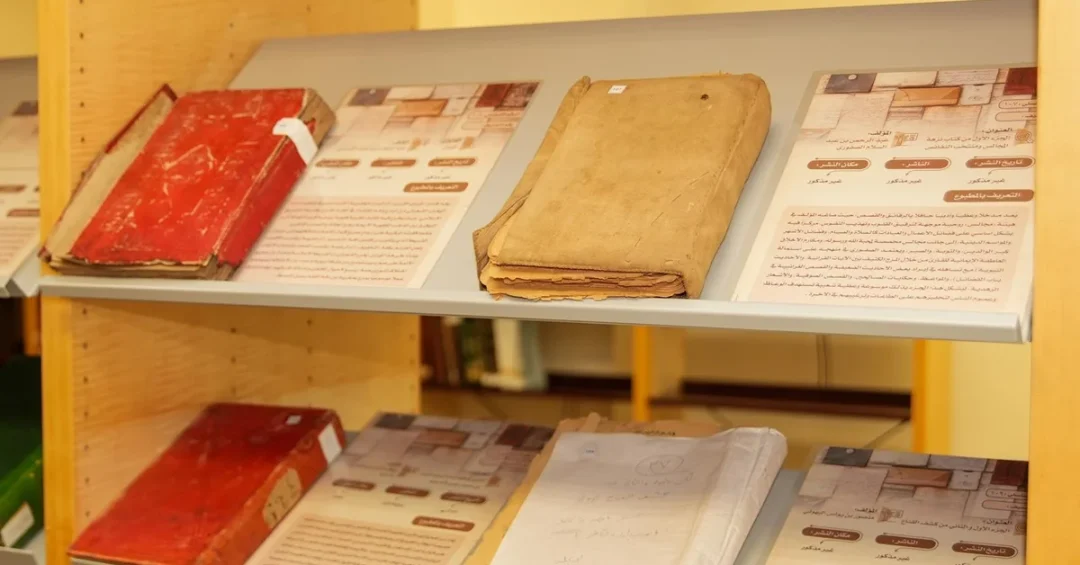
King Faisal University in Al-Ahsa inaugurated its Manuscripts and Rare Books Hall on September 3, 2026, in the presence of researchers and specialists in scientific and heritage collections of intellectual and historical value. The new facility, part of the university’s Central Library, aims to enhance academic research and preserve Saudi Arabia’s rich intellectual heritage.
Context and Background
The inauguration aligns with King Faisal University’s ongoing efforts to develop its services and facilities, enrich its scientific and cultural resources, and provide a supportive environment for researchers and those interested in intellectual heritage. According to Khalid Al-Rashidi, Director General of the General Administration of Libraries at the university, the hall represents a qualitative addition to the Central Library’s services, enhancing its role as a knowledge resource that supports specialized studies and provides an environment equipped to handle and benefit from rare collections.
The establishment of the Manuscripts and Rare Books Hall is part of a broader national movement to preserve and promote Saudi Arabia’s cultural and intellectual legacy. Universities across the Kingdom are increasingly investing in specialized facilities that cater to researchers and scholars, reflecting the nation’s commitment to education and heritage under Vision 2030.
Key Details
The hall houses an impressive collection of 11 original manuscripts, 27 manuscript images, and more than 400 rare books. Among these, 125 books were printed more than 80 years ago, and 280 books were printed between 50 and 80 years ago. The facility also includes three research spaces and technical equipment for displaying the hall’s contents electronically and preserving its collections.
Al-Rashidi emphasized that the inauguration is part of the university’s efforts to develop its services and facilities, enrich its scientific and cultural resources, and provide a supportive environment for researchers and those interested in intellectual heritage. The hall’s advanced technological infrastructure ensures that these invaluable materials are both accessible and preserved for future generations.
Implications and Impact
The opening of the Manuscripts and Rare Books Hall is expected to significantly benefit researchers, historians, and students by providing them with direct access to rare and original sources. It also positions King Faisal University as a key hub for intellectual heritage in the Eastern Province and beyond. By making these collections available electronically, the university facilitates broader academic collaboration and knowledge exchange, both domestically and internationally.
This initiative underscores Saudi Arabia’s dedication to preserving its cultural heritage while embracing modern technology. It serves as a model for other academic institutions in the Kingdom, demonstrating how traditional scholarship can be integrated with digital innovation to serve contemporary needs.
Vision 2030 Alignment
The establishment of the Manuscripts and Rare Books Hall is a concrete example of Vision 2030‘s emphasis on education, culture, and knowledge-based development. By investing in facilities that support research and heritage preservation, King Faisal University contributes to the Kingdom’s goal of fostering a vibrant knowledge economy and promoting Saudi Arabia’s rich cultural legacy on the global stage. This initiative not only enriches the academic landscape but also aligns with the vision’s broader objectives of enhancing quality of life and empowering future generations.
20 Questions
Q1. What is the Manuscripts and Rare Books Hall?
A1. The Manuscripts and Rare Books Hall is a new facility at King Faisal University’s Central Library in Al-Ahsa, dedicated to preserving and providing access to rare manuscripts and books of historical and intellectual value.
Q2. When was the hall inaugurated?
A2. The hall was inaugurated on September 3, 2026, according to the Saudi Press Agency. The opening ceremony was attended by researchers and specialists in scientific and heritage collections.
Q3. Where is King Faisal University located?
A3. King Faisal University is located in Al-Ahsa, in the Eastern Province of Saudi Arabia. It is a prominent public university known for its diverse academic programs and research initiatives.
Q4. Who is Khalid Al-Rashidi?
A4. Khalid Al-Rashidi is the Director General of the General Administration of Libraries at King Faisal University. He highlighted the hall’s role in enhancing the Central Library’s services and supporting specialized studies.
Q5. What does the hall contain?
A5. The hall houses 11 original manuscripts, 27 manuscript images, and more than 400 rare books. It also includes three research spaces and technical equipment for electronic display and preservation.
Q6. How many original manuscripts are in the hall?
A6. The hall contains 11 original manuscripts. These are rare and valuable documents that contribute to the intellectual and historical heritage preserved by the university.
Q7. How many manuscript images are available?
A7. There are 27 manuscript images in the collection. These images provide access to additional rare materials while helping to protect the originals from excessive handling.
Q8. How many rare books are in the collection?
A8. The collection includes more than 400 rare books. Among them, 125 were printed more than 80 years ago, and 280 were printed between 50 and 80 years ago.
Q9. What is the significance of the books printed more than 80 years ago?
A9. These 125 books are particularly valuable due to their age and rarity. They offer insights into historical scholarship and cultural production, serving as important resources for researchers and historians.
Q10. What technical equipment is included in the hall?
A10. The hall features technical equipment for displaying its contents electronically and preserving its collections. This includes digital displays and systems designed to protect delicate materials while making them accessible to visitors.
Q11. How many research spaces are available in the hall?
A11. There are three research spaces in the hall. These areas are designed to support scholars and researchers in their study of the rare collections, providing a conducive environment for academic work.
Q12. What is the purpose of the Manuscripts and Rare Books Hall?
A12. The hall aims to enhance the Central Library’s services, support specialized studies, and provide an environment equipped to handle and benefit from rare collections. It also serves to preserve intellectual heritage.
Q13. How does the hall support researchers?
A13. The hall supports researchers by offering access to original manuscripts, rare books, and digital resources. It provides dedicated research spaces and technical equipment, facilitating in-depth study and analysis of historical materials.
Q14. What is the role of the Central Library at King Faisal University?
A14. The Central Library serves as a knowledge resource for students, faculty, and researchers. With the new hall, it expands its services to include specialized handling and preservation of rare collections, enhancing its academic support role.
Q15. How does the hall contribute to preserving Saudi heritage?
A15. By housing and protecting rare manuscripts and books, the hall plays a key role in preserving Saudi Arabia’s intellectual and cultural heritage. It ensures these materials are available for future generations and supports national heritage initiatives.
Q16. Is the hall open to the public?
A16. The hall primarily serves researchers and specialists, but its electronic displays may allow broader access. Specific access policies are determined by the university, which aims to balance preservation with scholarly use.
Q17. What is the significance of the hall for King Faisal University?
A17. The hall represents a qualitative addition to the university’s facilities, reinforcing its commitment to academic excellence and heritage preservation. It enhances the university’s reputation as a center for research and cultural stewardship.
Q18. How does the hall align with Vision 2030?
A18. The hall supports Vision 2030’s goals by promoting education, cultural preservation, and knowledge-based development. It reflects the Kingdom’s commitment to investing in human capital and preserving national heritage.
Q19. What types of materials are considered rare in the collection?
A19. Rare materials include original manuscripts, manuscript images, and books printed over 50 years ago. The collection focuses on works of intellectual and historical value, particularly those relevant to Saudi and Islamic heritage.
Q20. What future developments might be expected for the hall?
A20. The university may continue to expand the collection and enhance digital access. Future developments could include additional research spaces, collaborative projects, and broader outreach to scholars and the public, in line with its educational mission.
Reader Feedback
We value your thoughts. Please share your feedback on this article.
Your feedback helps us improve our coverage.
Related articles
 Heritage Commission Showcases Digital Preservation at LEAP 2026
 Saudi Ministry Showcases Digital Quran Services at Moscow Book Fair
 King Salman Academy Announces 5th Children’s Recitation Winners
 Culture Ministry Launches Thaqafati Digital Platform at LEAP 2026
 Saudi Pavilion Opens at Moscow International Book Fair 2026
 Historic Jeddah Rawasheen restoration preserves traditional craft