


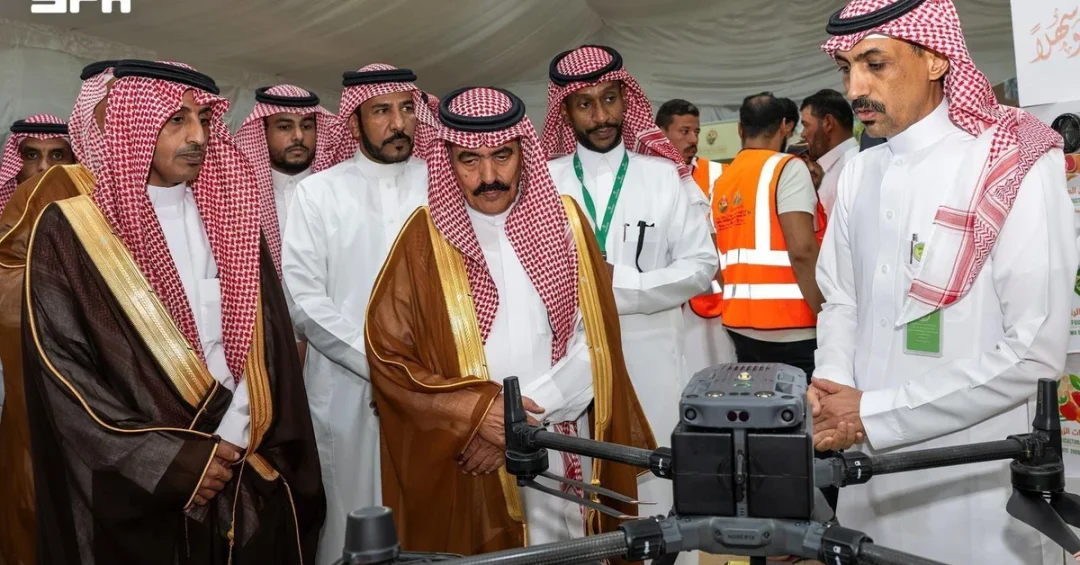
The fourth Tayma Agricultural Festival opened on September 4, 2026, near the historic ancient wall of Tayma Governorate, organized by the Ministry of Environment, Water and Agriculture branch in the Tabuk Region. The three-day event brings together more than 18 farmers, beekeepers, and cottage-industry producers, creating direct marketing channels that support local growers and advance agricultural sustainability in northwestern Saudi Arabia.
Context and Background
Tayma Governorate, located in the Tabuk Region, is one of Saudi Arabia’s most historically significant areas, home to the ancient wall that has stood for millennia as a symbol of the region’s enduring heritage. The Ministry of Environment, Water and Agriculture has steadily expanded its regional outreach through agricultural festivals that connect producers directly with consumers, reduce dependency on intermediaries, and promote sustainable farming practices aligned with national food-security goals.
The festival builds on the success of previous editions, which have grown in scale and participation. By rotating the event through different governorates, the ministry ensures that rural and semi-rural communities receive targeted support, technical guidance, and market access. This approach reflects a broader strategy to diversify local economies and preserve traditional agricultural knowledge while embracing modern techniques.
Key Details
Running for three days, the fourth Tayma Agricultural Festival showcases a wide array of regional crops, dates, fruits, and honey. More than 18 exhibitors, including beekeepers and cottage-industry producers, are participating, offering visitors the opportunity to purchase fresh, locally sourced products directly from the people who produce them.
The event’s location near the ancient wall of Tayma adds a cultural dimension, linking contemporary agricultural commerce with the region’s deep historical roots. The ministry’s Tabuk branch has coordinated logistics, exhibition space, and promotional support to ensure smooth operations and strong attendance from both residents and visitors.
Direct marketing channels established at the festival are designed to help local growers capture a larger share of retail value, encourage quality improvements, and foster long-term relationships with consumers. The inclusion of cottage industries highlights the ministry’s commitment to empowering small-scale producers, many of whom are women and young entrepreneurs contributing to rural economic diversification.
Implications and Impact
The festival’s direct impact extends beyond immediate sales. By creating a recurring marketplace, it enables farmers and beekeepers to test new products, gather consumer feedback, and adapt their offerings to evolving demand. This iterative process strengthens the resilience of local food systems and reduces post-harvest losses through better market linkages.
Regionally, the event reinforces Tabuk’s role as an agricultural hub in northwestern Saudi Arabia, complementing other development initiatives in the area. It also supports the Kingdom’s broader efforts to achieve self-sufficiency in key food commodities, a strategic priority given global supply-chain uncertainties. The focus on honey and dates, in particular, aligns with Saudi Arabia’s competitive advantages and cultural heritage.
Internationally, the festival contributes to Saudi Arabia’s image as a modern, diversified economy that values both innovation and tradition. It demonstrates how rural development can be integrated into a national transformation agenda, offering a model that other regions can follow.
Vision 2030 Alignment
The fourth Tayma Agricultural Festival directly supports Saudi Vision 2030 by promoting economic diversification, empowering local producers, and enhancing food security. It reflects the Ministry of Environment, Water and Agriculture’s ongoing efforts to modernize the agricultural sector, create sustainable livelihoods, and preserve the Kingdom’s natural and cultural heritage for future generations. As Saudi Arabia continues its ambitious transformation, such grassroots initiatives will remain vital to building a resilient, prosperous, and globally engaged nation.
20 Questions
Q1. What is the fourth Tayma Agricultural Festival?
A1. It is a three-day event organized by the Ministry of Environment, Water and Agriculture in Tabuk Region, showcasing regional crops, dates, fruits, and honey from over 18 farmers, beekeepers, and cottage-industry producers.
Q2. When did the festival open?
A2. The festival opened on September 4, 2026, according to the Saudi Press Agency. It runs for three days near the historic ancient wall of Tayma Governorate.
Q3. Where is Tayma Governorate located?
A3. Tayma Governorate is in the Tabuk Region of northwestern Saudi Arabia. It is known for its ancient wall and rich historical heritage, making it a significant cultural and agricultural area.
Q4. Who organized the festival?
A4. The festival is organized by the Ministry of Environment, Water and Agriculture branch in the Tabuk Region. This ministry oversees agricultural development, water resources, and environmental sustainability across the Kingdom.
Q5. How many exhibitors are participating?
A5. More than 18 farmers, beekeepers, and cottage-industry producers are participating. They represent a diverse range of local agricultural and artisanal activities from the region.
Q6. What products are showcased at the festival?
A6. The festival showcases regional crops, dates, fruits, and honey. These products highlight the agricultural diversity and quality of produce from Tayma and surrounding areas.
Q7. What is the main goal of the festival?
A7. The main goal is to open direct marketing channels to support local growers and bolster agricultural sustainability. This helps producers sell directly to consumers and improve their incomes.
Q8. Why is direct marketing important for local growers?
A8. Direct marketing allows growers to capture a larger share of retail value, reduce dependency on intermediaries, and build stronger relationships with consumers, leading to more stable incomes and feedback for improvement.
Q9. How does the festival support agricultural sustainability?
A9. By promoting local products and connecting producers with consumers, the festival encourages sustainable farming practices, reduces food miles, and supports the economic viability of small-scale agriculture in the region.
Q10. What role do cottage industries play in the festival?
A10. Cottage industries, often run by women and small entrepreneurs, showcase traditional and artisanal products. Their inclusion empowers local communities and diversifies rural economies beyond large-scale farming.
Q11. How does the festival relate to Saudi Vision 2030?
A11. It supports Vision 2030 by promoting economic diversification, empowering local producers, enhancing food security, and preserving cultural heritage. These align with the Kingdom’s goals for sustainable development and rural prosperity.
Q12. What is the significance of the ancient wall of Tayma?
A12. The ancient wall is a historic landmark symbolizing Tayma’s rich heritage. Holding the festival nearby links contemporary agricultural commerce with the region’s deep historical roots, attracting visitors and boosting cultural tourism.
Q13. How does the festival benefit the local economy?
A13. It generates sales for local producers, creates temporary jobs, and stimulates spending in surrounding businesses. It also raises the profile of Tayma as a destination for agricultural and cultural tourism.
Q14. Are there any training or educational components?
A14. While specific details are not provided, such festivals typically include knowledge-sharing opportunities where farmers and beekeepers can learn about best practices, new techniques, and market trends from ministry experts and peers.
Q15. How does the ministry select participants?
A15. The Ministry of Environment, Water and Agriculture branch in Tabuk coordinates participation, likely prioritizing active local farmers, beekeepers, and cottage-industry producers who meet quality and eligibility criteria.
Q16. What impact does the festival have on food security?
A16. By supporting local production and reducing reliance on imports, the festival contributes to Saudi Arabia’s food security goals. It strengthens domestic supply chains for key products like dates and honey.
Q17. How does the festival promote Saudi culture?
A17. It celebrates traditional agricultural practices, local cuisine, and artisanal crafts, preserving cultural heritage. Visitors experience the authentic products and traditions of the Tabuk Region, enhancing national pride and cultural awareness.
Q18. Will there be future editions of the festival?
A18. The festival is now in its fourth edition, indicating a recurring initiative by the ministry. It is expected to continue annually, building on its growing success and expanding participation.
Q19. How can international audiences engage with the festival?
A19. International audiences can follow coverage from the Saudi Press Agency and ministry channels. The festival also highlights investment and partnership opportunities in Saudi agriculture, open to global collaboration.
Q20. What message does the festival send about Saudi Arabia’s agricultural sector?
A20. It demonstrates the Kingdom’s commitment to modernizing agriculture, supporting rural communities, and achieving sustainable development. It showcases Saudi Arabia as a nation that values innovation, heritage, and food security.
Reader Feedback
We value your thoughts. Please share your feedback on this article.
Your feedback helps us improve our coverage.
Related articles
 Saudi Ambassador Highlights Economic Ties at CMF Shanghai
 Madinah’s Al-Eis Festival Boosts Local Farmers and Produce
 Fourth Al-Qatif Almond Festival Opens in Eastern Region
 Jeddah Hosts Fourth International Franchise Expo
 Monsha’at Concludes LEAP 2026 with Innovation Pioneers Graduation
 Rains Revitalize Seasonal Fruit Production in Aseer