


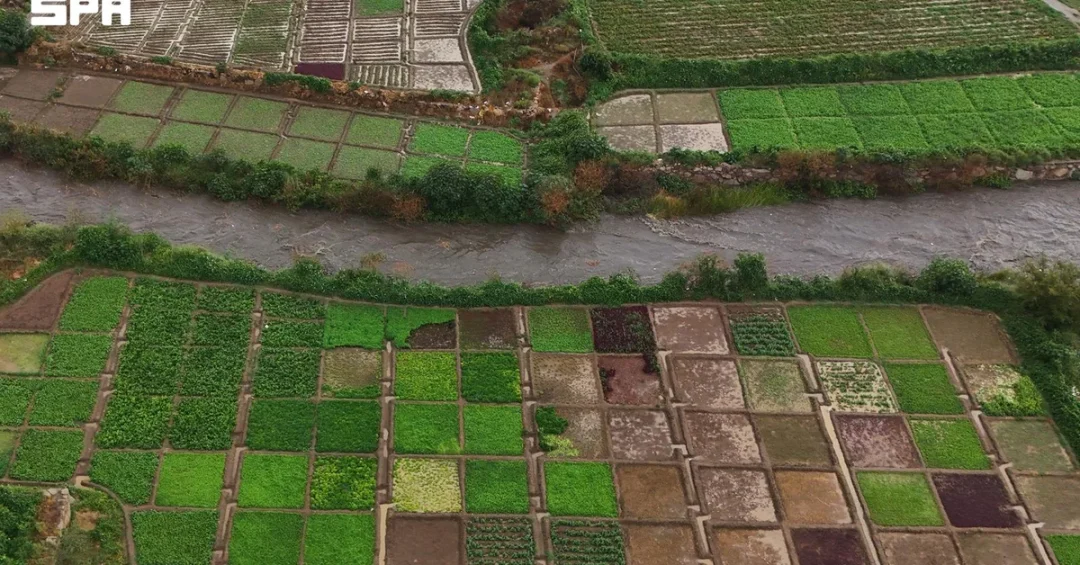
Recent rainfall across the highlands and slopes of Aseer Region has transformed the landscape into an expansive green carpet, significantly boosting the flow and production of seasonal fruits in the region’s orchards, according to the Saudi Press Agency (SPA). The renewed vitality of these orchards is reinforcing Aseer’s role as a key pillar in supporting the Kingdom’s food security and sustainable rural tourism, aligning with the national objectives of Saudi Vision 2030.
The transformation is visible across the region’s terraced farms, where moisture-rich soil has revived tree crops that define Aseer’s agricultural identity. Have you ever wondered how a single season of rain can reshape an entire region’s economic and cultural landscape? For Aseer, the answer lies in its unique topographical diversity, which contributes to both the quality and abundance of its produce. This season’s production map is led by high-quality crops including pomegranates, figs, guavas, peaches, apricots, and grapes — summer varieties that are deeply intertwined with the region’s heritage. The abundance coincides with growing tourism and economic activity, driven by festivals that have evolved into attractive marketing platforms for producers and visitors alike.
Context and Background
Why does Aseer consistently emerge as one of the Kingdom’s most agriculturally productive regions? The answer lies in its geography. Situated in the southwest of Saudi Arabia, Aseer features a dramatic range of elevations, from the Red Sea coast to the heights of Jabal Sawda, the Kingdom’s highest peak. This topographical diversity creates microclimates that are rare in the Arabian Peninsula, allowing for the cultivation of fruit trees that thrive in cooler, moisture-rich conditions. The recent rains have amplified these natural advantages, replenishing groundwater and irrigation systems that sustain the orchards through the dry months.
Historically, Aseer’s agricultural calendar has been closely tied to seasonal rainfall patterns. The region’s farmers have long practiced terraced farming, a method that conserves water and soil on steep slopes. These terraces, some of which date back centuries, are not merely agricultural infrastructure; they are part of the region’s cultural heritage. The Saudi Press Agency report highlights that this season’s rainfall has been particularly beneficial, leading to an expansive green carpet across the highlands. This visual transformation is more than aesthetic — it signals a productive year for farmers and a boost for the local economy.
The timing of this abundance is significant. It coincides with a period of heightened tourism activity in Aseer, driven by the Asir Season festivals and broader efforts to promote the region as a year-round destination. These festivals have become vital marketing platforms, connecting local producers with visitors from across the Kingdom and beyond. As a result, the economic impact of the fruit harvest extends far beyond the farm gate, supporting hospitality, retail, and transportation sectors.
Key Details
What specific crops are leading this season’s production boom? According to official information released via the Saudi Press Agency, the harvest is dominated by high-quality summer fruits: pomegranates, figs, guavas, peaches, apricots, and grapes. Each of these crops has a distinct growing cycle and market demand, but together they form a diversified portfolio that reduces risk for farmers and appeals to a wide range of consumers. Pomegranates, for instance, are prized for their nutritional value and are increasingly processed into juices and other products. Figs and guavas are popular in local markets, while peaches, apricots, and grapes find ready buyers in both fresh produce markets and the tourism sector.
The quality of these fruits is attributed to the region’s unique environmental conditions. Aseer’s high altitude, cool nights, and mineral-rich soil contribute to superior flavor and texture. The recent rains have further enhanced these qualities by providing consistent moisture during critical growth stages. Farmers report that the fruits are larger, juicier, and more vibrant in color compared to previous seasons. This premium quality commands higher prices in urban centers such as Riyadh and Jeddah, and it also attracts attention from international buyers interested in specialty Arabian produce.
Beyond the orchards, the rains have revitalized the broader ecosystem. The green carpet across the highlands supports biodiversity, including pollinators that are essential for fruit production. It also improves the aesthetic appeal of the region, drawing nature lovers and photographers. The SPA report notes that the abundance coincides with growing tourism and economic activity, driven by festivals that have evolved into attractive marketing platforms. These festivals often feature agricultural exhibitions, where farmers can showcase their produce, and cultural performances that celebrate Aseer’s heritage.
International and Regional Impact
How does Aseer’s fruit production resonate beyond Saudi Arabia’s borders? The region’s agricultural success contributes to the Kingdom’s broader food security strategy, which aims to reduce reliance on imports and enhance self-sufficiency in key commodities. While Saudi Arabia is a major importer of many food products, initiatives like the ones in Aseer demonstrate the potential of domestic agriculture when supported by favorable weather and strategic investment. This aligns with Vision 2030’s goal of ensuring a sustainable food supply chain.
Regionally, Aseer’s produce is gaining recognition in Gulf Cooperation Council (GCC) markets. The high quality of the fruits, particularly the pomegranates and figs, positions them as premium products that can compete with imports from other regions. This creates opportunities for export growth, which in turn strengthens the national economy. Furthermore, the success of Aseer’s agricultural model serves as an example for other regions in the Kingdom, showcasing how targeted support for farmers and infrastructure can yield significant results.
Internationally, the story of Aseer’s revival after rainfall contributes to Saudi Arabia’s image as a country of diverse landscapes and economic potential. It challenges the perception of the Kingdom as solely a desert nation, highlighting its green mountains and agricultural heritage. This narrative is increasingly important as Saudi Arabia seeks to attract international tourists and investors. The SPA report, by documenting this transformation, provides credible evidence of the Kingdom’s environmental and economic dynamism.
Economic and Strategic Significance
What does this mean for the local economy and the farmers who depend on these orchards? The boost in fruit production translates directly into higher incomes for farming families. Many of these families have cultivated the same terraces for generations, and a successful harvest is a source of pride and financial stability. The increased yield also supports related industries such as packaging, transportation, and food processing. Local cooperatives and agricultural associations play a vital role in aggregating produce and negotiating better prices, ensuring that the benefits are widely shared.
Strategically, Aseer’s agricultural success is a component of the Kingdom’s broader economic diversification efforts. By strengthening the agricultural sector, Saudi Arabia reduces its vulnerability to global food price fluctuations and creates jobs in rural areas. This is particularly important for regions like Aseer, where agriculture is a primary livelihood. The government has invested in modern irrigation techniques, agricultural extension services, and market access programs, all of which are bearing fruit — literally and figuratively.
The tourism dimension adds another layer of economic value. When visitors come to Aseer to enjoy the green landscapes and purchase fresh fruits, they spend money on hotels, restaurants, and local crafts. This creates a multiplier effect that benefits the entire community. The festivals mentioned in the SPA report are a key part of this strategy, as they draw crowds and generate media coverage that promotes the region. Over time, this can help establish Aseer as a must-visit destination for both domestic and international tourists.
Vision 2030 Alignment
How does this seasonal abundance connect to Saudi Vision 2030? The Vision, launched by Crown Prince Mohammed bin Salman, aims to diversify the economy, enhance quality of life, and promote sustainable development. Aseer’s fruit production contributes to several Vision 2030 objectives: food security, economic diversification, rural development, and tourism growth. The region’s success story is a microcosm of the broader national transformation, showing how local assets can be leveraged for national benefit.
Moreover, the emphasis on sustainable rural tourism aligns with the Vision’s goal of preserving cultural and natural heritage. Aseer’s terraced farms and traditional agricultural practices are part of the Kingdom’s identity, and their revitalization ensures that future generations can appreciate and benefit from them. As the Kingdom continues to invest in infrastructure and promote Aseer as a tourist destination, the synergy between agriculture and tourism will only grow stronger. The recent rains have not just watered the orchards; they have nourished a vision of a prosperous, sustainable, and globally engaged Saudi Arabia.
20 Questions
Q1. What recent weather event has revitalized Aseer’s orchards?
A1. Recent rainfall across the highlands and slopes of Aseer Region has transformed the landscape into a green carpet, significantly boosting the flow and production of seasonal fruits in the region’s orchards, as reported by the Saudi Press Agency.
Q2. Which seasonal fruits are leading production in Aseer this season?
A2. The season’s production is led by high-quality crops including pomegranates, figs, guavas, peaches, apricots, and grapes. These summer varieties are closely associated with the region’s agricultural identity and are thriving due to the favorable conditions.
Q3. How does Aseer’s topography contribute to its agricultural success?
A3. Aseer is distinguished by its unique topographical diversity, which creates microclimates suitable for a variety of fruit trees. This diversity contributes to both the quality and abundance of tree crops, making the region a key agricultural hub.
Q4. What role do festivals play in Aseer’s agricultural economy?
A4. Festivals in Aseer have evolved into attractive marketing platforms for producers and visitors. They coincide with the fruit harvest, drawing tourists and creating economic opportunities for local farmers and businesses, thereby supporting rural tourism.
Q5. How does Aseer’s fruit production support food security?
A5. The abundance of seasonal fruits in Aseer contributes to Saudi Arabia’s food security by increasing domestic production and reducing reliance on imports. This aligns with Vision 2030’s goal of ensuring a sustainable food supply chain.
Q6. What is the significance of the green carpet phenomenon in Aseer?
A6. The green carpet refers to the expansive greening of the highlands and slopes after rainfall. It signals a productive agricultural season, supports biodiversity, and enhances the region’s aesthetic appeal, attracting nature lovers and tourists.
Q7. How does Aseer’s agricultural output benefit the local economy?
A7. The boost in fruit production increases incomes for farming families and supports related industries such as packaging, transportation, and food processing. It also stimulates tourism, creating a multiplier effect that benefits the entire community.
Q8. What are the key export opportunities for Aseer’s fruits?
A8. Aseer’s high-quality fruits, particularly pomegranates and figs, are gaining recognition in Gulf Cooperation Council markets. This creates opportunities for export growth, strengthening the national economy and showcasing Saudi agricultural products internationally.
Q9. How do the recent rains impact groundwater and irrigation in Aseer?
A9. The rains replenish groundwater and irrigation systems that sustain orchards through dry months. This consistent moisture during critical growth stages enhances fruit quality, leading to larger, juicier, and more vibrant produce.
Q10. In what ways does Aseer’s success align with Vision 2030?
A10. Aseer’s fruit production supports Vision 2030 objectives of economic diversification, food security, rural development, and tourism growth. It exemplifies how local assets can be leveraged for national benefit and sustainable development.
Q11. What traditional farming methods are used in Aseer?
A11. Farmers in Aseer have long practiced terraced farming, a method that conserves water and soil on steep slopes. These terraces, some centuries old, are part of the region’s cultural heritage and agricultural identity.
Q12. How does the tourism sector interact with Aseer’s agriculture?
A12. Tourism and agriculture are closely linked in Aseer. Visitors come to enjoy the green landscapes and purchase fresh fruits, spending on hotels, restaurants, and local crafts. This creates a symbiotic relationship that boosts both sectors.
Q13. What makes Aseer’s fruits superior in quality?
A13. Aseer’s high altitude, cool nights, and mineral-rich soil contribute to superior flavor and texture. The recent rains have further enhanced these qualities by providing consistent moisture during critical growth stages.
Q14. How does the Saudi Press Agency report on Aseer’s agriculture?
A14. The Saudi Press Agency (SPA) reported that recent rainfall has transformed Aseer’s highlands into a green carpet, boosting fruit production and making the region a key pillar in supporting food security and sustainable rural tourism.
Q15. What economic activities are driven by Aseer’s fruit harvest?
A15. The harvest drives economic activities in packaging, transportation, food processing, and tourism. Local cooperatives and agricultural associations play a vital role in aggregating produce and negotiating better prices for farmers.
Q16. How does Aseer’s agricultural revival challenge perceptions of Saudi Arabia?
A16. The revival highlights Saudi Arabia’s diverse landscapes and economic potential, challenging the perception of the Kingdom as solely a desert nation. It showcases green mountains and agricultural heritage, attracting international tourists and investors.
Q17. What support does the government provide to Aseer’s farmers?
A17. The government has invested in modern irrigation techniques, agricultural extension services, and market access programs. These initiatives, aligned with Vision 2030, are bearing fruit by enhancing productivity and sustainability in the region.
Q18. How do the festivals in Aseer promote local producers?
A18. Festivals in Aseer serve as marketing platforms where local producers can showcase their fruits to visitors. They attract crowds and generate media coverage, helping establish Aseer as a must-visit destination for domestic and international tourists.
Q19. What is the long-term vision for Aseer’s agricultural sector?
A19. The long-term vision is to sustain and expand agricultural production while promoting rural tourism. This includes preserving cultural heritage, enhancing food security, and creating economic opportunities that align with Saudi Vision 2030.
Q20. Why is the recent rainfall considered a blessing for Aseer?
A20. The rainfall is considered a blessing because it revitalizes orchards, boosts fruit production, and enhances the region’s natural beauty. It supports food security, economic growth, and sustainable rural tourism, benefiting farmers and the wider community.
Reader Feedback
We value your thoughts. Please share your feedback on this article.
Your feedback helps us improve our coverage.
Related articles
 Shrimp Season Opens in Jazan, Boosting Red Sea Fisheries
 Jazan Mountains Investment and Development Prospects
 Jeddah to Host Fifth Edition of SEREDO on Sunday
 ZATCA Launches Four-Language Zakat, Tax, Customs Glossary
 Saudi Finance Minister Joins G20 Meeting in Asheville
 Naqwa Unaizah dates marketing system reaches 65 countries