


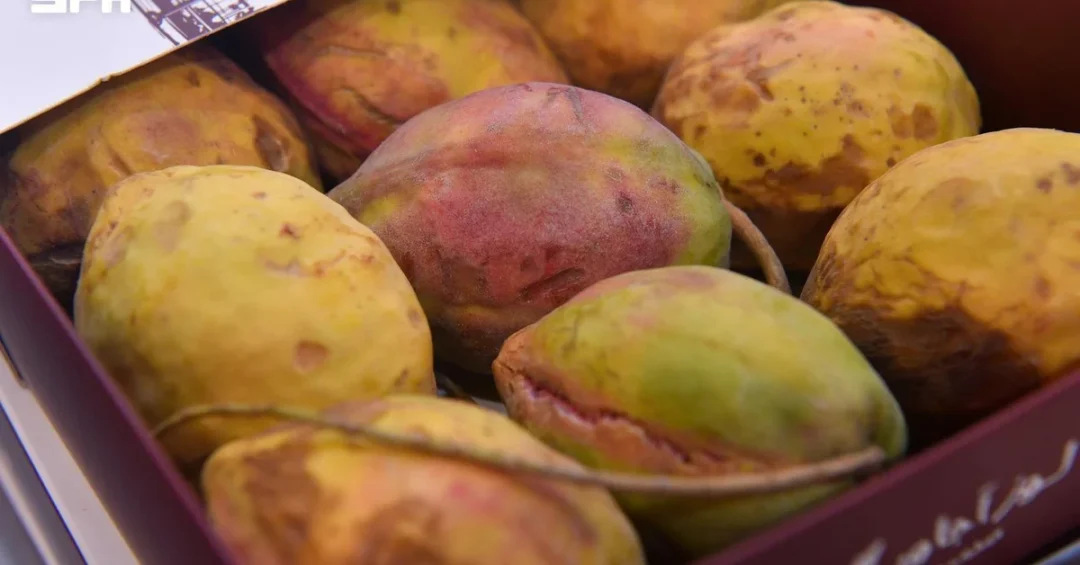
The Ministry of Environment, Water and Agriculture branch in Al-Qatif, Eastern Region, launched the fourth edition of the three-day Al-Qatif Almond Festival, celebrating local growers and the governorate’s agricultural heritage. The festival, which opened on September 3, 2026, features over 20 pavilions showcasing fresh almonds and derivative products, opening investment and marketing channels to empower regional farmers and bolster the crop’s economic value.
Context and Background
Al-Qatif, known for its fertile lands and historical significance in agriculture, has been cultivating almonds for generations. The Al-Qatif Almond Festival, now in its fourth year, highlights the region’s commitment to preserving its agricultural heritage while embracing modern marketing and investment opportunities. The event is organized by the Ministry of Environment, Water and Agriculture, which oversees agricultural development across the Kingdom. This initiative aligns with Saudi Arabia’s broader efforts to diversify the economy and promote sustainable agriculture under Vision 2030.
Key Details
The three-day festival, held in Al-Qatif, Eastern Region, brings together local farmers, investors, and visitors to explore the potential of almond production. With over 20 pavilions, participants display various almond-based products, including fresh almonds, oils, cosmetics, and traditional sweets. The festival serves as a platform for farmers to connect with buyers and investors, fostering economic growth in the region. According to the Ministry, the event aims to enhance the crop’s economic value and create new opportunities for small-scale farmers. The festival also includes workshops and cultural activities that educate the public about the nutritional and economic benefits of almonds.
Implications and Impact
The Al-Qatif Almond Festival is expected to boost the local economy by attracting tourists and generating sales for farmers. It also strengthens the region’s agricultural sector by encouraging investment in almond farming and related industries. The event supports the Ministry’s goal of increasing domestic agricultural production and reducing reliance on imports. Furthermore, it promotes Al-Qatif as a destination for agritourism, complementing other heritage and cultural attractions in the Eastern Region. The festival’s success could lead to expanded cultivation and export opportunities, contributing to Saudi Arabia’s food security objectives.
Vision 2030 Alignment
This festival exemplifies Saudi Arabia’s Vision 2030 goals of economic diversification, sustainable development, and empowering local communities. By supporting farmers and promoting agricultural entrepreneurship, the event contributes to the Kingdom’s efforts to build a vibrant economy and enhance food security. It also aligns with the Quality of Life Program by offering cultural and recreational activities that celebrate Saudi heritage. As the Kingdom continues to modernize, initiatives like the Al-Qatif Almond Festival demonstrate how traditional sectors can be revitalized to drive economic growth and global engagement.
20 Questions
Q1. What is the Al-Qatif Almond Festival?
A1. The Al-Qatif Almond Festival is an annual event launched by the Ministry of Environment, Water and Agriculture in Al-Qatif, Eastern Region, to celebrate local almond growers and the region’s agricultural heritage, featuring exhibits, products, and investment opportunities.
Q2. When did the fourth edition of the festival open?
A2. The fourth edition of the Al-Qatif Almond Festival opened on September 3, 2026, and runs for three days, as announced by the Ministry of Environment, Water and Agriculture branch in Al-Qatif.
Q3. Where is the festival held?
A3. The festival is held in Al-Qatif, a governorate in the Eastern Region of Saudi Arabia known for its agricultural production, particularly almonds and other crops.
Q4. How many pavilions are featured at the festival?
A4. The festival features over 20 pavilions showcasing fresh almonds and derivative products, providing a platform for farmers and businesses to display their goods and connect with investors.
Q5. What products are showcased at the festival?
A5. The festival showcases fresh almonds and various derivative products, including almond oil, cosmetics, traditional sweets, and other value-added items that highlight the versatility of the crop.
Q6. Who organizes the Al-Qatif Almond Festival?
A6. The festival is organized by the Ministry of Environment, Water and Agriculture branch in Al-Qatif, which oversees agricultural development and supports local farmers in the Eastern Region.
Q7. What is the main goal of the festival?
A7. The main goal is to empower regional farmers, open investment and marketing channels, and bolster the economic value of almonds, while celebrating the agricultural heritage of Al-Qatif.
Q8. How does the festival support local farmers?
A8. The festival provides a platform for farmers to sell their products directly, connect with investors, and learn about modern agricultural practices, thereby increasing their income and market access.
Q9. What economic benefits does the festival bring to the region?
A9. The festival boosts the local economy by attracting visitors, generating sales for farmers, and encouraging investment in almond farming and related industries, contributing to regional development.
Q10. How does the festival align with Vision 2030?
A10. It aligns with Vision 2030 by promoting economic diversification, sustainable agriculture, food security, and empowering local communities, while also enhancing the quality of life through cultural events.
Q11. What is the significance of almonds in Al-Qatif?
A11. Almonds have been cultivated in Al-Qatif for generations and are a key agricultural product, contributing to the region’s heritage and economy, and the festival celebrates this legacy.
Q12. Are there any cultural activities at the festival?
A12. Yes, the festival includes cultural activities and workshops that educate visitors about almond cultivation, nutritional benefits, and traditional uses, enhancing the overall experience.
Q13. How long does the festival last?
A13. The festival is a three-day event, providing ample time for visitors to explore the pavilions, attend workshops, and engage with farmers and exhibitors.
Q14. Can international visitors attend the festival?
A14. Yes, the festival is open to all visitors, including international tourists, who can learn about Saudi Arabia’s agricultural heritage and enjoy the local culture.
Q15. What investment opportunities are available at the festival?
A15. The festival opens investment channels in almond production, processing, and marketing, allowing investors to explore partnerships and support the expansion of the sector.
Q16. How does the festival contribute to food security?
A16. By promoting local almond production and reducing reliance on imports, the festival supports Saudi Arabia’s food security objectives and sustainable agricultural practices.
Q17. What role does the Ministry of Environment, Water and Agriculture play?
A17. The Ministry oversees the festival, provides support to farmers, and works to develop the agricultural sector in line with national strategies for economic growth and sustainability.
Q18. Are there any awards or competitions at the festival?
A18. The source material does not mention awards or competitions; however, the festival focuses on showcasing products and facilitating business connections for farmers and exhibitors.
Q19. How can farmers participate in future editions?
A19. Farmers can contact the Ministry of Environment, Water and Agriculture branch in Al-Qatif for information on participating in future editions, as the festival is organized annually.
Q20. What is the expected impact of the festival on Al-Qatif’s agriculture?
A20. The festival is expected to enhance the economic value of almonds, increase investment, and promote sustainable farming, thereby strengthening Al-Qatif’s position as a key agricultural hub.
Reader Feedback
We value your thoughts. Please share your feedback on this article.
Your feedback helps us improve our coverage.
Related articles
 Jeddah Hosts Fourth International Franchise Expo
 Monsha’at Concludes LEAP 2026 with Innovation Pioneers Graduation
 Rains Revitalize Seasonal Fruit Production in Aseer
 Shrimp Season Opens in Jazan, Boosting Red Sea Fisheries
 Jazan Mountains Investment and Development Prospects
 Jeddah to Host Fifth Edition of SEREDO on Sunday