


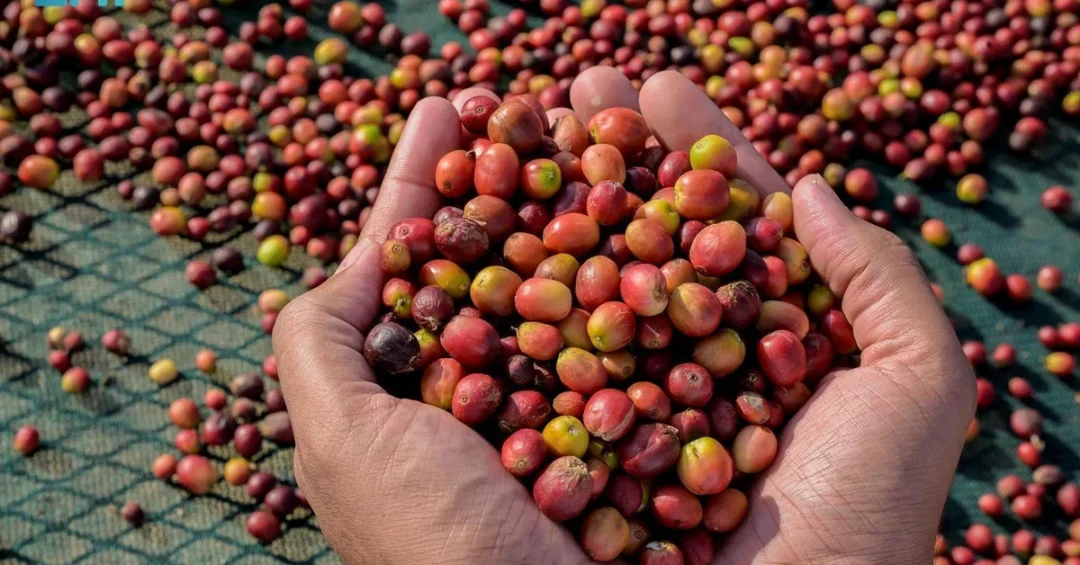
Shadawi coffee, a distinctive brew cultivated in the Shada mountains of Al-Baha, is a staple on Ramadan tables across Saudi Arabia, according to the Saudi Press Agency (SPA). The region’s rich agricultural heritage and the unique taste of Shadawi coffee make it a cherished element during the holy month, symbolizing hospitality and tradition.
Context and Background
Arabic coffee holds a place of honor on Ramadan tables throughout the Kingdom, and in the Al-Baha region, Shadawi coffee is particularly prized. Grown in the Shada mountains of Al Makhwah governorate, this coffee is renowned for its sweet flavor and deep cultural significance. The SPA report highlights that Shadawi coffee, along with dates, is a common sight on Ramadan tables, underscoring its role in local customs.
The Shada Al-Asfal and Shada Al-Ala areas are key to the coffee’s exceptional quality, benefiting from the region’s abundant and high-quality production. Ali Al-Shadawi, a local expert, attributes the special status of Shadawi coffee to these factors, as well as the rich cultural heritage tied to the region’s agricultural identity.
Cultural Significance and Social Interaction
Shadawi coffee is more than just a beverage; it enhances social interaction, especially during Ramadan. Saeed Al-Ghamdi notes, “Shadawi coffee is distinguished by its sweet taste. It enhances social interaction and is served to guests with dates and ghee during family gatherings and Ramadan nights.” This tradition of serving coffee with dates and ghee is a hallmark of southern Saudi hospitality.
Fatima Al-Omari, a local resident, points out that preparing Iftar is an opportunity for housewives to teach their daughters how to make Shadawi coffee with traditional dishes. This practice not only preserves culinary heritage but also prepares younger generations for their future roles, reinforcing community bonds.
Cultivation and Harvesting Process
The cultivation of Shadawi coffee is a meticulous process that spans over three years. Abdullah bin Ali Al-Ghamdi, a coffee farmer from Shada, explains that planting begins in late summer, with the harvest occurring at the start of the fourth summer. After harvesting, the coffee beans are dried and sorted, then transferred to rooftops for sun drying for three days.
Following this, the beans are collected and kept away from sunlight for two days indoors, then spread again on rooftops for five days. This process turns the beans from red to black. Finally, the beans are ground, and the husk is separated to obtain pure coffee beans, which are sold according to customer preference.
Implications and Impact
The prominence of Shadawi coffee on Ramadan tables highlights the importance of local agriculture in Saudi Arabia’s cultural and economic landscape. It supports local farmers and preserves traditional practices, while also contributing to the Kingdom’s food security and agricultural diversity. The coffee’s unique qualities make it a symbol of regional identity and a source of pride.
Moreover, the emphasis on Shadawi coffee aligns with Saudi Arabia’s Vision 2030 goals of promoting cultural heritage and supporting sustainable agriculture. By showcasing local products, the Kingdom enhances its tourism appeal and strengthens community ties.
Vision 2030 Alignment
This focus on Shadawi coffee exemplifies Saudi Arabia’s commitment to preserving its cultural heritage and promoting local industries, key pillars of Vision 2030. As the Kingdom continues to diversify its economy and celebrate its traditions, initiatives like these contribute to a vibrant society and a resilient economy, showcasing the best of Saudi Arabia to the world.
20 Questions
Q1. What is Shadawi coffee?
A1. Shadawi coffee is a distinctive type of Arabic coffee cultivated in the Shada mountains of Al Makhwah governorate in the Al-Baha region of Saudi Arabia. It is known for its sweet taste and is a staple on Ramadan tables.
Q2. Where is Shadawi coffee grown?
A2. Shadawi coffee is grown in the Shada Al-Asfal and Shada Al-Ala areas within the Shada mountains, located in the Al Makhwah governorate of the Al-Baha region in Saudi Arabia.
Q3. Why is Shadawi coffee special?
A3. Shadawi coffee is special due to its sweet taste, high-quality production, and the rich cultural heritage tied to the region’s agricultural identity. It is often served with dates and ghee during Ramadan and family gatherings.
Q4. How is Shadawi coffee served during Ramadan?
A4. During Ramadan, Shadawi coffee is typically served with dates and ghee, enhancing social interaction during Iftar and family gatherings. It is a common element on Ramadan tables in Al-Baha and beyond.
Q5. Who are some local voices highlighting Shadawi coffee?
A5. Ali Al-Shadawi, Saeed Al-Ghamdi, Fatima Al-Omari, and Abdullah bin Ali Al-Ghamdi are some local residents and farmers who have shared insights about Shadawi coffee’s significance and cultivation.
Q6. How long does it take to cultivate Shadawi coffee?
A6. Cultivation takes more than three years. Planting begins in late summer, and the harvest occurs at the beginning of the fourth summer, followed by drying and processing.
Q7. What is the traditional role of women in preparing Shadawi coffee?
A7. Women, particularly housewives, use the preparation of Shadawi coffee as an opportunity to teach their daughters traditional methods, passing down cultural practices and preparing them for future roles.
Q8. What makes Shadawi coffee’s taste unique?
A8. Shadawi coffee is distinguished by its sweet taste, which is attributed to the abundant and high-quality production in the Shada mountains, along with traditional processing methods.
Q9. How are the coffee beans processed after harvest?
A9. After harvest, beans are dried and sorted, then sun-dried on rooftops for three days, kept indoors for two days, and sun-dried again for five days until they turn black. They are then ground to separate the husk.
Q10. What is the cultural significance of Shadawi coffee?
A10. Shadawi coffee represents the rich cultural heritage of the Al-Baha region, symbolizing hospitality and tradition. It is central to social gatherings and Ramadan customs, reinforcing community bonds.
Q11. How does Shadawi coffee contribute to Vision 2030?
A11. It aligns with Vision 2030 by promoting cultural heritage, supporting local agriculture, and enhancing tourism appeal. It showcases Saudi traditions and contributes to economic diversification.
Q12. What other traditional items are served with Shadawi coffee?
A12. Shadawi coffee is traditionally served with dates and ghee, which are staples of the southern Saudi kitchen and complement the coffee’s flavor during Ramadan and family gatherings.
Q13. Who provided information about Shadawi coffee?
A13. The Saudi Press Agency (SPA) reported on Shadawi coffee, quoting local residents such as Ali Al-Shadawi, Saeed Al-Ghamdi, Fatima Al-Omari, and farmer Abdullah bin Ali Al-Ghamdi.
Q14. What is the significance of the Shada mountains for coffee production?
A14. The Shada mountains, specifically Shada Al-Asfal and Shada Al-Ala, provide ideal conditions for high-quality coffee production, contributing to the unique characteristics of Shadawi coffee.
Q15. How does Shadawi coffee enhance social interaction?
A15. Serving Shadawi coffee with dates and ghee during family gatherings and Ramadan nights fosters social interaction, strengthening bonds among family and community members.
Q16. What is the drying process for Shadawi coffee beans?
A16. Beans are sun-dried on rooftops for three days, kept indoors away from sunlight for two days, then sun-dried again for five days until they turn black, after which they are ground.
Q17. What does the cultivation of Shadawi coffee entail?
A17. Cultivation involves planting in late summer, a growth period of over three years, harvesting in the fourth summer, and then processing the beans through drying, sorting, and grinding.
Q18. How does Shadawi coffee reflect Saudi hospitality?
A18. Shadawi coffee embodies Saudi hospitality by being served to guests with dates and ghee, especially during Ramadan, symbolizing generosity and warmth in social gatherings.
Q19. What role does Shadawi coffee play in Ramadan traditions?
A19. It is a basic element on Ramadan tables, often served at Iftar and during family gatherings, enhancing the spiritual and social atmosphere of the holy month.
Q20. How does Shadawi coffee support local communities?
A20. It supports local farmers and preserves traditional agricultural practices, contributing to the local economy and cultural heritage, in line with Saudi Arabia’s Vision 2030 goals.
Reader Feedback
We value your thoughts. Please share your feedback on this article.
Your feedback helps us improve our coverage.
Related articles
 Iftar: A Cherished Tradition in Turaif, Saudi Arabia
 Jazan’s Century-Old Ramadan Traditions Endure
 Alitham Mosque Restoration in AlUla Preserves Centuries of History
 Al-Baha’s Ramadan Nights Festival Lights Up with Heritage and Commerce
 Madinah’s Ramadan Market: A Cultural and Commercial Hub
 Red Sea Labs Opens SeriesLab 2025 Submissions with Film Independent