


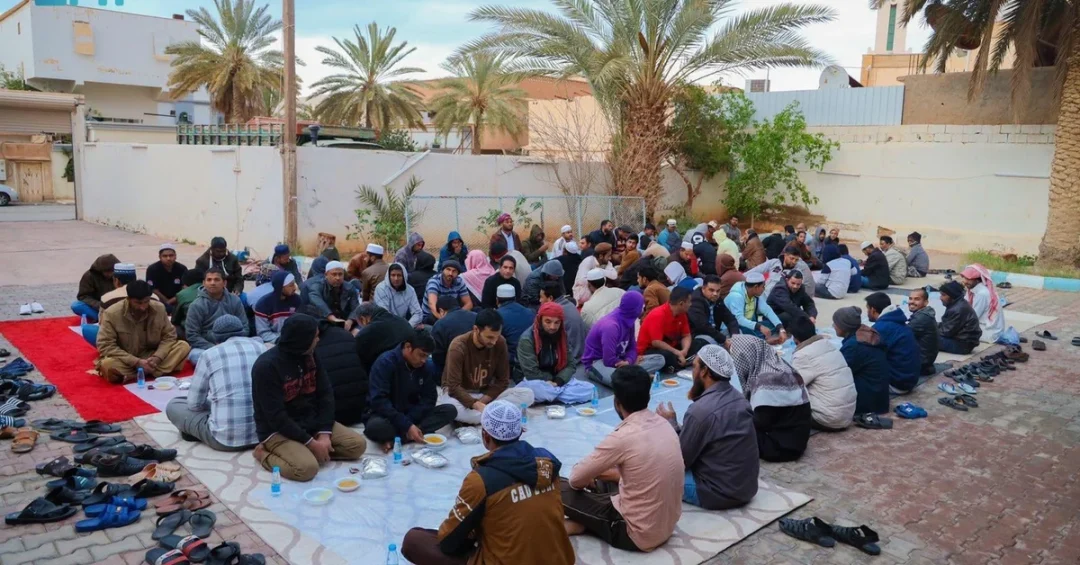
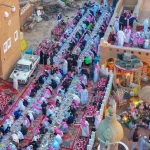
Turaif, in Saudi Arabia’s Northern Borders region, is renowned for its deeply ingrained tradition of hosting iftar during the holy month of Ramadan, a custom that showcases the profound values of compassion, unity, and generosity that characterize the community. According to the Saudi Press Agency (SPA), local families open their homes to people of various nationalities, viewing this tradition as a means to garner blessings and uphold a practice passed down through generations. This annual practice aligns with the broader charitable efforts spearheaded by both individual families and humanitarian organizations across the Kingdom.
Context and Background
Ramadan, the ninth month of the Islamic calendar, is a time of fasting from dawn to sunset, reflection, and increased devotion. Iftar, the meal that breaks the fast at sunset, holds special significance as a moment of communal gathering and gratitude. In Turaif, this tradition has been elevated to an art form, with families preparing elaborate spreads and welcoming all, regardless of nationality or background. The practice reflects the core Islamic values of charity and hospitality, which are deeply embedded in Saudi culture.
The Northern Borders region, with Turaif as one of its key towns, has a rich history of hospitality, influenced by its location near international borders and its diverse population. The tradition of hosting iftar is not just a religious observance but a social fabric that binds the community together, reinforcing bonds among neighbors and visitors alike.
Key Details
Ali Shabeeb Al-Balawi, a local resident, told the Saudi Press Agency (SPA) that his family upholds the tradition of hosting iftar as a tribute to charity during Ramadan, carried on from their late father. “It is an annual practice we inherited and continue with gratitude. We prepare for it well in advance, and even the younger members of the family take part in it,” he explained. This sentiment is echoed by many families in Turaif, who see the tradition as a way to honor their heritage and fulfill religious duties.
Ahmed Al-Banaqi highlighted the widespread participation in this tradition, noting that in every neighborhood, at least three homes welcome fasting individuals. “This is a testament to the ingrained culture of hospitality in Turaif,” he said. The collective effort ensures that no one is left alone at iftar, fostering a sense of belonging and community spirit.
Meanwhile, Fathi Abu Suleiman, an Egyptian resident who has lived in Saudi Arabia for over 35 years, recalled how families in Turaif have embraced fasting individuals over the years. “I arrived in Saudi Arabia over 35 years ago, and ever since, I have witnessed this beautiful tradition. Every Ramadan, you see open doors and well-prepared iftar spreads, reflecting the generosity and hospitality of the people of this blessed country,” he remarked. His testimony underscores the inclusive nature of the tradition, which transcends nationalities and backgrounds.
Implications and Impact
The iftar tradition in Turaif has far-reaching implications for social cohesion and cultural exchange. By welcoming people of various nationalities, the community promotes understanding and harmony, aligning with Saudi Arabia’s vision of a tolerant and open society. This practice also strengthens the social fabric, as younger generations learn the values of generosity and empathy from their elders.
Moreover, the tradition contributes to the local economy by supporting food vendors and charities during Ramadan. It also enhances Saudi Arabia’s image internationally, showcasing the Kingdom’s rich cultural heritage and warm hospitality to the world. Such grassroots initiatives complement national efforts to promote tourism and cultural diplomacy, as highlighted in various Vision 2030 programs.
Vision 2030 Alignment
The iftar tradition in Turaif exemplifies the core values of Saudi Vision 2030, which seeks to build a vibrant society, a thriving economy, and an ambitious nation. By preserving cultural heritage and promoting social solidarity, the community contributes to the Vision’s goal of enhancing the quality of life and fostering a strong national identity. As Saudi Arabia continues to open up to the world, traditions like these serve as a bridge between past and future, demonstrating the Kingdom’s commitment to both its roots and its global role.
20 Questions
Q1. What is the significance of iftar in Turaif?
A1. Iftar in Turaif is a cherished annual tradition during Ramadan where local families open their homes to people of various nationalities, showcasing compassion, unity, and generosity. It reflects the community’s commitment to charity and hospitality, passed down through generations.
Q2. How long has the iftar tradition been practiced in Turaif?
A2. The tradition has been practiced for generations, with families like that of Ali Shabeeb Al-Balawi continuing it as a tribute to charity. It is an annual practice inherited from their late father and upheld with gratitude, involving even younger family members.
Q3. Who participates in hosting iftar in Turaif?
A3. Local families in Turaif host iftar, with at least three homes in every neighborhood welcoming fasting individuals. This widespread participation demonstrates the ingrained culture of hospitality in the town, involving both residents and visitors.
Q4. What values does the iftar tradition in Turaif promote?
A4. The tradition promotes compassion, unity, generosity, and hospitality. It aligns with Islamic principles of charity and community support, fostering social cohesion and understanding among people of different nationalities and backgrounds.
Q5. How do families prepare for iftar in Turaif?
A5. Families prepare well in advance, with even younger members participating. They set up elaborate spreads and open their doors to fasting individuals, ensuring a welcoming atmosphere that reflects the community’s generosity and organizational effort.
Q6. What did Ali Shabeeb Al-Balawi say about the tradition?
A6. Ali Shabeeb Al-Balawi told SPA that his family upholds the iftar tradition as a tribute to charity during Ramadan, carried on from their late father. He emphasized that it is an annual practice they inherited and continue with gratitude.
Q7. How does the tradition impact non-Saudis in Turaif?
A7. Non-Saudis, like Egyptian resident Fathi Abu Suleiman, are warmly embraced. Abu Suleiman, who has lived in Saudi Arabia for over 35 years, testified to the open doors and well-prepared iftar spreads, reflecting the generosity and hospitality of the Saudi people.
Q8. What role does the Saudi Press Agency play in highlighting this tradition?
A8. The Saudi Press Agency (SPA) reports on the iftar tradition in Turaif, bringing it to national and international attention. Through interviews with locals, SPA showcases the community’s values and aligns with the Kingdom’s efforts to promote cultural heritage.
Q9. How does the iftar tradition in Turaif contribute to social cohesion?
A9. By welcoming people of various nationalities, the tradition fosters understanding and harmony. It strengthens community bonds, as neighbors and visitors share meals, reinforcing a sense of belonging and collective identity during Ramadan.
Q10. What economic impact does the iftar tradition have on Turaif?
A10. The tradition supports local food vendors and charities during Ramadan. Families purchase supplies for large iftar spreads, boosting small businesses and encouraging charitable giving, which circulates within the local economy.
Q11. How does the iftar tradition align with Saudi Vision 2030?
A11. It aligns with Vision 2030’s goals of building a vibrant society and enhancing quality of life. By preserving cultural heritage and promoting social solidarity, the tradition contributes to a strong national identity and showcases Saudi hospitality globally.
Q12. What makes Turaif’s iftar tradition unique?
A12. The uniqueness lies in its widespread community participation and the inclusive welcoming of people of all nationalities. In every neighborhood, multiple homes host iftar, creating a town-wide atmosphere of generosity and unity.
Q13. How does the tradition reflect Saudi hospitality?
A13. It reflects Saudi hospitality through open doors and well-prepared spreads for fasting individuals. This practice embodies the Kingdom’s cultural values of generosity and warmth, making visitors feel welcomed and valued.
Q14. What can other communities learn from Turaif’s iftar tradition?
A14. Other communities can learn the importance of inclusivity, charity, and intergenerational participation. The tradition shows how collective efforts can strengthen social ties and promote understanding among diverse groups during Ramadan.
Q15. How does the iftar tradition involve younger generations?
A15. Younger family members actively participate in preparing and hosting iftar. This involvement ensures the tradition’s continuity, as they learn values of generosity and hospitality from their elders, passing them on to future generations.
Q16. What is the role of charity in the iftar tradition?
A16. Charity is central, as families host iftar as a tribute to charitable giving during Ramadan. It aligns with Islamic teachings and supports those in need, reflecting the community’s commitment to compassion and social responsibility.
Q17. How does the tradition promote intercultural dialogue?
A17. By inviting people of various nationalities, the tradition creates opportunities for intercultural exchange. Shared meals foster understanding and respect, breaking down barriers and building bridges among diverse communities in Saudi Arabia.
Q18. What government support exists for such traditions?
A18. The Saudi government, through agencies like the Ministry of Islamic Affairs, supports Ramadan traditions by facilitating charitable activities and promoting cultural heritage. This backing helps communities like Turaif continue their practices.
Q19. How does the iftar tradition in Turaif compare to other regions?
A19. While iftar is practiced nationwide, Turaif’s tradition stands out for its high level of community participation and inclusivity. It exemplifies the Northern Borders region’s strong hospitality culture, setting a model for others.
Q20. What is the future outlook for this tradition?
A20. The tradition is expected to continue thriving, supported by community commitment and alignment with Vision 2030. As Saudi Arabia opens up, it will likely gain more recognition, attracting visitors and fostering cultural exchange.
Reader Feedback
We value your thoughts. Please share your feedback on this article.
Your feedback helps us improve our coverage.
Related articles
 Jazan’s Century-Old Ramadan Traditions Endure
 Alitham Mosque Restoration in AlUla Preserves Centuries of History
 Al-Baha’s Ramadan Nights Festival Lights Up with Heritage and Commerce
 Madinah’s Ramadan Market: A Cultural and Commercial Hub
 Red Sea Labs Opens SeriesLab 2025 Submissions with Film Independent
 Annual Heritage Iftar Event Celebrates Qassim Traditions