


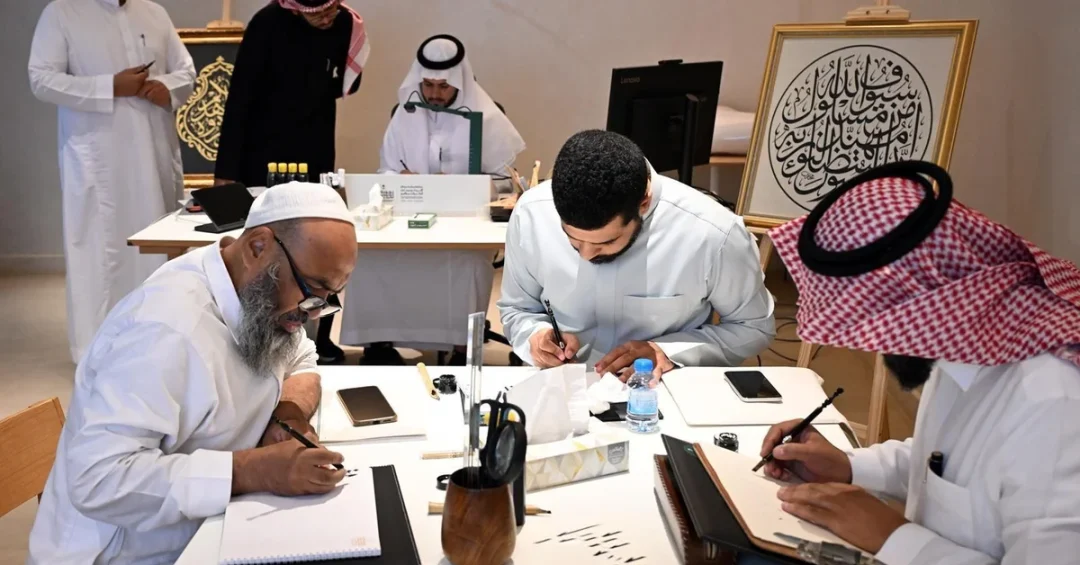
The Prince Mohammed bin Salman Global Center for Arabic Calligraphy is conducting a series of specialized training programs and courses in Arabic calligraphy during the last quarter of 2026 across Madinah, Riyadh, and Dammam, according to an announcement carried by the Saudi Press Agency (SPA). The initiatives are designed to develop the skills of practitioners and enthusiasts while promoting Arabic calligraphy as a key component of the Kingdom’s cultural identity, in line with the Center’s broader mandate to safeguard and advance one of the Arab world’s most enduring art forms.
Context and Background
The Prince Mohammed bin Salman Global Center for Arabic Calligraphy was established as part of Saudi Arabia’s wider cultural transformation under Vision 2030, the national strategy aimed at diversifying the economy, enriching quality of life, and celebrating the Kingdom’s heritage on the global stage. Arabic calligraphy, recognized by UNESCO as an Intangible Cultural Heritage of Humanity in 2021, occupies a central place in this effort, spanning centuries of artistic, religious, and literary tradition.
By the last quarter of 2026, the Center is extending its reach through a structured series of courses and training programs in three major cities: Madinah, Riyadh, and Dammam. According to the Saudi Press Agency, these initiatives reflect the Center’s commitment to developing the capabilities of practitioners and enthusiasts alike, ensuring that the techniques, scripts, and aesthetic principles of Arabic calligraphy are transmitted accurately to new generations.
Key Details of the Training Programs
The programs are open to practitioners of all nationalities, underscoring the inclusive character of the Kingdom’s cultural initiatives. Participants will receive specialized instruction aimed at refining their skills, exploring the diversity of Arabic script styles, and deepening their understanding of calligraphy’s historical and artistic significance. The Center noted that these efforts contribute directly to the preservation of Arabic calligraphy by passing on its knowledge and skills to future generations.
The Center has invited those interested in the training programs and courses to register through the designated official portal: https://engage.moc.gov.sa/reg_forms/tracks/33/?lang=ar. The registration link reflects the collaborative framework between the Center and the Ministry of Culture, which oversees cultural engagement platforms in the Kingdom.
The timing of the programs, spanning the final quarter of 2026, aligns with a broader calendar of cultural activity across Saudi Arabia, including artistic festivals, heritage exhibitions, and educational workshops. The three host cities, Madinah, Riyadh, and Dammam, represent geographically diverse regions of the Kingdom, allowing participants from across the country and abroad to benefit from the courses.
Implications and Impact
These training programs carry significance beyond the classroom. Arabic calligraphy is not merely an art form but a living expression of the Arabic language, Islamic civilization, and the cultural continuity of the region. By investing in the skills of practitioners, the Center helps ensure that this heritage remains vibrant, adaptable, and globally appreciated.
For an international audience, the initiatives signal Saudi Arabia’s growing role as a custodian of cultural knowledge and a destination for artistic learning. The inclusiveness of the programs, open to all nationalities, reinforces the Kingdom’s message of cultural exchange and mutual respect. It also supports the development of a creative economy, in which skilled artisans, designers, and educators can contribute to tourism, publishing, and design industries linked to Arabic calligraphy.
Moreover, the programs complement Saudi Arabia’s efforts to position itself as a hub for heritage and the arts, attracting visitors, scholars, and cultural enthusiasts from around the world. This aligns with national goals to increase cultural participation, enhance the Kingdom’s soft power, and strengthen people-to-people connections across borders.
Vision 2030 Alignment
The Prince Mohammed bin Salman Global Center for Arabic Calligraphy’s training programs exemplify the spirit of Vision 2030 by preserving cultural heritage, empowering individuals through education, and promoting Saudi Arabia’s artistic identity internationally. As the Kingdom continues to expand its cultural infrastructure and global engagement, initiatives such as these ensure that Arabic calligraphy remains a source of pride, creativity, and connection for generations to come, reinforcing Saudi Arabia’s place as a leader in cultural preservation and innovation.
20 Questions
Q1. What is the Prince Mohammed bin Salman Global Center for Arabic Calligraphy?
A1. It is a specialized institution dedicated to advancing Arabic calligraphy as a key component of Saudi Arabia’s cultural identity. The Center supports practitioners and enthusiasts through training, research, and programs that preserve the art form and transmit its knowledge to future generations.
Q2. What training programs is the Center conducting in the last quarter of 2026?
A2. The Center is conducting specialized training programs and courses in Arabic calligraphy across Madinah, Riyadh, and Dammam. These programs aim to develop the skills of practitioners and enthusiasts while promoting the art form throughout the Kingdom.
Q3. Which cities are hosting the Arabic calligraphy training programs?
A3. The programs are being held in three major Saudi cities: Madinah, Riyadh, and Dammam. This geographic spread allows participants from different regions of the Kingdom, as well as international attendees, to take part.
Q4. Who can participate in these calligraphy courses?
A4. The programs are open to practitioners of all nationalities. This inclusive approach reflects the Kingdom’s commitment to cultural exchange and ensures that anyone interested in Arabic calligraphy can benefit from the specialized instruction offered.
Q5. How do these programs support the preservation of Arabic calligraphy?
A5. By passing on knowledge and skills to future generations, the programs help safeguard Arabic calligraphy as a living art. They ensure that traditional techniques, scripts, and aesthetic principles continue to be practiced and appreciated worldwide.
Q6. What is the significance of Arabic calligraphy in Saudi culture?
A6. Arabic calligraphy is a celebrated art form that reflects the Arabic language, Islamic heritage, and centuries of artistic tradition. It is recognized by UNESCO as Intangible Cultural Heritage and remains central to Saudi Arabia’s cultural identity and creative expression.
Q7. How does the Center’s work align with Vision 2030?
A7. The Center supports Vision 2030 by preserving cultural heritage, empowering individuals through education, and promoting Saudi Arabia’s artistic identity globally. These efforts contribute to enriching quality of life and diversifying the Kingdom’s cultural economy.
Q8. Where can interested individuals register for the programs?
A8. Interested individuals can register through the official portal at engage.moc.gov.sa, specifically the link provided by the Center. The registration form is accessible in Arabic and connects applicants to the Ministry of Culture’s engagement platform.
Q9. When exactly will the training programs take place?
A9. The programs are scheduled during the last quarter of 2026, spanning October through December. This timing aligns with a broader calendar of cultural events and educational activities across Saudi Arabia.
Q10. What types of calligraphy will be taught in these courses?
A10. While specific scripts may vary, the programs cover the diverse styles and techniques of Arabic calligraphy. Participants can expect instruction in traditional scripts, artistic composition, and the historical context of the art form.
Q11. Why is the Center named after Prince Mohammed bin Salman?
A11. The Center bears the name of Crown Prince Mohammed bin Salman in recognition of his leadership and support for cultural initiatives under Vision 2030. It symbolizes the Kingdom’s commitment to preserving heritage while embracing modernization.
Q12. How does Arabic calligraphy contribute to Saudi tourism?
A12. Arabic calligraphy attracts cultural tourists, scholars, and art enthusiasts to the Kingdom. Workshops, exhibitions, and heritage sites featuring calligraphy enrich the visitor experience and support Saudi Arabia’s goal of becoming a leading cultural destination.
Q13. Are there any fees for participating in the training programs?
A13. The announcement does not specify fees; interested participants should consult the official registration portal for detailed information. The Center aims to make cultural education accessible to a wide range of practitioners and enthusiasts.
Q14. What role does the Ministry of Culture play in these initiatives?
A14. The Ministry of Culture oversees cultural engagement platforms and supports the Center’s programs. Its collaboration ensures that training initiatives align with national cultural strategies and are accessible through official channels.
Q15. How long have these calligraphy programs been running?
A15. The Prince Mohammed bin Salman Global Center for Arabic Calligraphy has been advancing its mission since its establishment. The 2026 programs represent a continuation and expansion of its ongoing efforts to promote the art form.
Q16. Can international participants join the courses online?
A16. The announcement focuses on in-person programs in Madinah, Riyadh, and Dammam. International participants are welcome to attend, and those interested should check the registration portal for updates on format and availability.
Q17. What benefits do participants gain from these courses?
A17. Participants develop technical skills, deepen their understanding of calligraphy’s heritage, and connect with a community of artists. The courses also enhance professional opportunities in design, education, and cultural industries linked to Arabic calligraphy.
Q18. How does Arabic calligraphy support the creative economy?
A18. Skilled calligraphers contribute to design, publishing, advertising, and tourism sectors. By nurturing talent, the Center helps build a creative economy that aligns with Vision 2030’s goals of economic diversification and cultural enrichment.
Q19. What recognition has Arabic calligraphy received internationally?
A19. UNESCO inscribed Arabic calligraphy on its Representative List of the Intangible Cultural Heritage of Humanity in 2021. This recognition highlights its global cultural importance and supports efforts to preserve and promote the art form.
Q20. What is the long-term goal of the Center’s training programs?
A20. The long-term goal is to ensure that Arabic calligraphy thrives as a living art, passed down to future generations. By empowering practitioners, the Center reinforces Saudi Arabia’s role as a global leader in cultural preservation and innovation.
Reader Feedback
We value your thoughts. Please share your feedback on this article.
Your feedback helps us improve our coverage.