


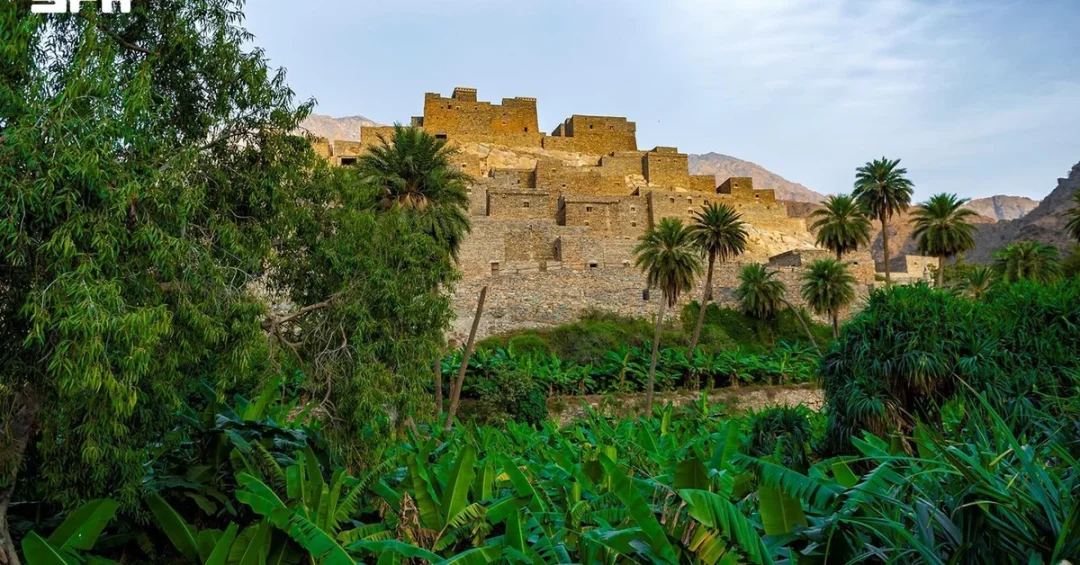
On World Architecture Day, observed annually on the first Monday of October, the stone architecture of Al-Baha Region stands as a living testament to the harmony between humans and their environment, as highlighted by the Saudi Press Agency (SPA). This distinctive architectural style, developed by local inhabitants in response to the region’s rugged terrain and variable climate, showcases sustainable building practices that have endured for generations.
Context and Background
Al-Baha Region, located in the southwestern part of Saudi Arabia, is characterized by its mountainous landscape and diverse climate. The stone architecture found here is a direct reflection of the ingenuity of its people, who utilized locally available materials to create structures that are both functional and resilient. According to the Saudi Press Agency, this architectural heritage is evident in heritage villages scattered across the highlands and mountain slopes, where buildings are constructed from stone and mud, forming a cohesive urban fabric with narrow alleys and passageways.
Key Details
The design of these structures varies according to the terrain. Some buildings feature two stories, with the ground floor used to shelter livestock and store fodder, while the upper floors serve as living quarters. Builders employed local stone for walls, and timber for ceilings, columns, and doors, demonstrating a practical use of resources suited to the environment. The region’s villages also house historic fortresses, mosques, and traditional dwellings, all of which contribute to Al-Baha’s rich architectural legacy.
Preservation Efforts
Efforts are currently underway to preserve and rehabilitate these villages and heritage sites, safeguarding Al-Baha’s architectural legacy and enabling visitors to explore the area’s rich heritage. These initiatives align with Saudi Arabia’s broader commitment to cultural preservation and sustainable development, as part of Vision 2030.
Implications and Impact
The preservation of Al-Baha’s stone architecture not only honors the past but also contributes to the region’s tourism potential. By maintaining these heritage sites, Saudi Arabia can attract visitors interested in cultural and historical experiences, thereby boosting local economies and promoting cross-cultural understanding. This effort reflects the Kingdom’s dedication to preserving its heritage while embracing modernization.
Vision 2030 Alignment
The rehabilitation of Al-Baha’s heritage villages aligns with Vision 2030, which aims to diversify the economy and promote tourism. By showcasing its architectural heritage, Saudi Arabia reinforces its commitment to sustainable development and cultural exchange, further establishing itself as a global destination for heritage tourism.
20 Questions
Q1. What is the significance of Al-Baha’s stone architecture?
A1. Al-Baha’s stone architecture exemplifies human adaptation to the environment, using local materials to create sustainable structures that have withstood generations, reflecting the region’s cultural and historical identity.
Q2. When is World Architecture Day observed?
A2. World Architecture Day is observed annually on the first Monday of October, coinciding with the recognition of architectural heritage such as that in Al-Baha.
Q3. What materials were used in building these structures?
A3. Builders used local stone for walls and timber for ceilings, columns, and doors, demonstrating a practical use of available resources suited to the surrounding environment.
Q4. How did the terrain influence building designs?
A4. The rugged terrain led to varied designs, with some structures having two stories: the ground floor for livestock and storage, and upper floors for living quarters.
Q5. What other structures are found in Al-Baha’s heritage villages?
A5. Besides traditional dwellings, the villages include historic fortresses and mosques, contributing to the region’s rich architectural legacy.
Q6. What efforts are being made to preserve these sites?
A6. Initiatives are underway to preserve and rehabilitate the villages and heritage sites, safeguarding Al-Baha’s architectural legacy for future generations and visitors.
Q7. How does this architecture reflect sustainability?
A7. The use of local materials and design adapted to the climate demonstrates sustainable building practices that minimize environmental impact.
Q8. Why is Al-Baha’s architecture important for tourism?
A8. It attracts visitors interested in cultural and historical experiences, boosting local economies and promoting cross-cultural understanding.
Q9. How does this align with Vision 2030?
A9. The preservation efforts align with Vision 2030’s goals to diversify the economy and promote tourism, showcasing Saudi Arabia’s commitment to sustainable development.
Q10. What is the historical significance of these villages?
A10. They represent centuries of architectural ingenuity and adaptation, serving as a testament to the region’s cultural heritage and history.
Q11. Who were the original builders of these structures?
A11. Local inhabitants of Al-Baha Region constructed these buildings, utilizing their knowledge of the environment and available resources.
Q12. What challenges does the preservation face?
A12. Challenges include maintaining authenticity while adapting for modern use, and ensuring structural integrity against environmental factors.
Q13. How can visitors explore these heritage sites?
A13. Visitors can explore the rehabilitated villages and learn about the region’s history through guided tours and cultural programs.
Q14. What role does the Saudi Press Agency play?
A14. SPA disseminates information about these heritage sites, raising awareness and promoting cultural tourism in line with national objectives.
Q15. How does this architecture compare to other regions in Saudi Arabia?
A15. Each region has unique styles; Al-Baha’s stone architecture is distinctive for its mountainous adaptation and use of local materials.
Q16. What economic benefits arise from preserving these sites?
A16. Preservation creates jobs in tourism and restoration, stimulates local businesses, and contributes to the national economy through increased visitor spending.
Q17. Are there any educational programs related to this heritage?
A17. Yes, educational initiatives and workshops are likely part of the preservation efforts, teaching younger generations about traditional building techniques.
Q18. How does this architecture embody harmony between humans and environment?
A18. It reflects a balance where structures are built in sync with the natural landscape, using sustainable methods that respect the environment.
Q19. What is the future outlook for Al-Baha’s heritage villages?
A19. With ongoing preservation, they are poised to become key cultural tourism destinations, ensuring their legacy endures while contributing to local development.
Q20. How can international audiences engage with this heritage?
A20. International audiences can visit Al-Baha, participate in cultural tours, and learn about Saudi Arabia’s rich architectural history through online resources and exhibitions.
Reader Feedback
We value your thoughts. Please share your feedback on this article.
Your feedback helps us improve our coverage.