


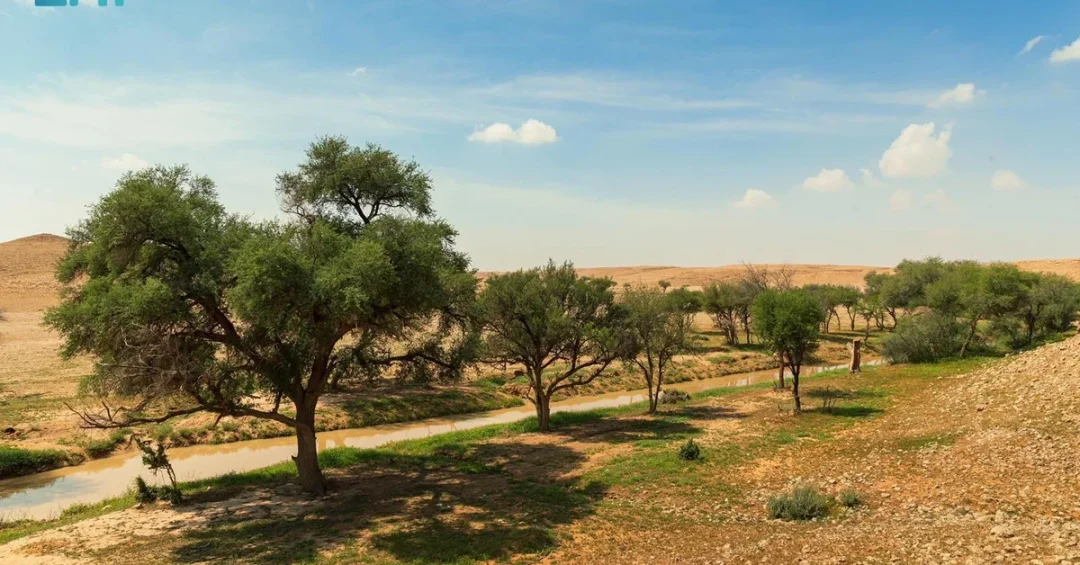
The Imam Abdulaziz Bin Mohammed Royal Reserve, located northeast of Riyadh, is a natural treasure that safeguards unique geological formations and rare species listed on the Red List of Threatened Species, as reported by the Saudi Press Agency (SPA). Managed by the Imam Abdulaziz Bin Mohammed Royal Reserve Development Authority, the reserve implements strategic protection plans to preserve its ecosystem, enhance vegetation growth, and promote sustainable ecotourism, aligning with Saudi Arabia’s environmental conservation goals.
Context and Background
The Imam Abdulaziz Bin Mohammed Royal Reserve, situated in the northeast of Riyadh, stands as a testament to Saudi Arabia’s commitment to preserving its natural heritage. Established under the guidance of the Imam Abdulaziz Bin Mohammed Royal Reserve Development Authority, the reserve is part of the Kingdom’s broader efforts to protect biodiversity and promote sustainable development. The reserve’s unique geological and ecological features make it a focal point for environmental research and ecotourism, drawing visitors from within the Kingdom and beyond.
According to the Saudi Press Agency (SPA), the reserve is home to a diverse range of terrains, from sand dunes to lush plains, valleys, and streams. These landscapes not only captivate visitors but also provide critical habitats for endangered species. The reserve’s management aligns with Saudi Vision 2030, which emphasizes environmental sustainability and the preservation of natural resources for future generations.
Key Details
The reserve’s geological wonders include ‘duhool’ (plural of ‘dahl’), which are deep cavities formed by the dissolution of limestone rocks due to rainwater and stream erosion. These formations range from small holes a few centimeters in diameter to wide openings several meters across. Over time, these cavities deepen as rainwater flows into them, serving as crucial sources for replenishing groundwater reservoirs by retaining rainwater for extended periods.
The reserve also features streams and valleys where rainwater and floods flow from the Al-Urumah Plateau into valleys such as Al-Thumama Valley and Ghilana Valley, leading to streams and parks like Rawdat Khuraim. Rawdat Khuraim, one of the largest and most renowned areas in the reserve, spans approximately 52.3 square kilometers and is distinguished by its diverse and dense plant cover, which accounts for 77% of its area. Its natural beauty, lush green vegetation, and stunning wild landscapes make it a captivating tourist destination during winter and spring, with abundant plants such as acacia trees, sidr, and peganum harmala.
The Reserve Development Authority provides guided tours and excursions led by environmental tour guides, making it a hotspot for eco-enthusiasts interested in hiking, climbing, and other ecotourism activities. These experiences offer an opportunity to explore the enchanting natural landscapes and cultural heritage of the area, further promoting Saudi Arabia as a destination for sustainable tourism.
Implications and Impact
The preservation of the Imam Abdulaziz Bin Mohammed Royal Reserve has significant implications for Saudi Arabia and the international community. By protecting threatened species and preserving unique geological formations, the reserve contributes to global biodiversity conservation efforts. It also supports the Kingdom’s goals of enhancing ecotourism and diversifying the economy away from oil dependency, a key pillar of Saudi Vision 2030.
Furthermore, the reserve’s educational and recreational opportunities foster a deeper appreciation for nature among visitors and locals alike. The guided tours and excursions not only promote environmental awareness but also showcase Saudi Arabia’s commitment to sustainable development and cultural heritage preservation.
Vision 2030 Alignment
The Imam Abdulaziz Bin Mohammed Royal Reserve exemplifies Saudi Arabia’s dedication to environmental sustainability and the preservation of natural resources, aligning with the goals of Saudi Vision 2030. By protecting biodiversity, promoting ecotourism, and enhancing groundwater replenishment, the reserve supports the Kingdom’s long-term vision of a diversified economy and a sustainable future. As Saudi Arabia continues to invest in its natural reserves, it reinforces its role as a global leader in environmental conservation and responsible tourism.
20 Questions
Q1. What is the Imam Abdulaziz Bin Mohammed Royal Reserve?
A1. It is a protected natural area northeast of Riyadh, managed by the Imam Abdulaziz Bin Mohammed Royal Reserve Development Authority, renowned for its geological formations and rare species, as reported by the Saudi Press Agency.
Q2. Where is the reserve located?
A2. The reserve is situated in the northeast of Riyadh, Saudi Arabia, encompassing diverse terrains like sand dunes, plains, valleys, and streams that attract eco-enthusiasts and researchers.
Q3. Who manages the reserve?
A3. The Imam Abdulaziz Bin Mohammed Royal Reserve Development Authority oversees the reserve, implementing strategic protection plans to preserve its ecosystem and promote sustainable ecotourism activities.
Q4. What are ‘duhool’?
A4. ‘Duhool’ are deep cavities in the ground formed by the dissolution of limestone rocks due to rainwater and stream erosion, serving as crucial sources for replenishing groundwater reservoirs.
Q5. How are duhool formed?
A5. Duhool form when rain falls and streams collect, causing erosive cavities in limestone; repeated occurrences deepen these cavities as rainwater flows into them over time.
Q6. What is the significance of duhool?
A6. Duhool are essential for replenishing groundwater reservoirs by retaining rainwater for extended periods, supporting the reserve’s ecosystem and water sustainability.
Q7. What is Rawdat Khuraim?
A7. Rawdat Khuraim is one of the largest areas in the reserve, spanning 52.3 square kilometers, with dense plant cover covering 77% of its area, making it a popular tourist destination.
Q8. What types of plants are found in Rawdat Khuraim?
A8. Rawdat Khuraim is home to abundant plants such as acacia trees, sidr, and peganum harmala, contributing to its lush green vegetation and stunning wild landscapes.
Q9. What activities can visitors enjoy in the reserve?
A9. Visitors can engage in guided tours, hiking, climbing, and other ecotourism activities led by environmental tour guides, exploring the reserve’s natural landscapes and cultural heritage.
Q10. How does the reserve support threatened species?
A10. The reserve provides proper care for rare plants and animals listed on the Red List of Threatened Species through strategic protection plans aimed at preserving the ecosystem and natural resources.
Q11. What is the Red List of Threatened Species?
A11. The Red List is a global inventory of the conservation status of biological species, identifying those at risk of extinction and guiding conservation efforts worldwide.
Q12. How does the reserve contribute to groundwater replenishment?
A12. The reserve’s duhool retain rainwater for extended periods, allowing it to seep into the ground and replenish groundwater reservoirs, which is vital for water sustainability.
Q13. What valleys are mentioned in the reserve?
A13. The reserve includes valleys such as Al-Thumama Valley and Ghilana Valley, where rainwater and floods flow from the Al-Urumah Plateau, leading to streams and parks like Rawdat Khuraim.
Q14. Why is the reserve popular among eco-enthusiasts?
A14. It offers unique geological formations, diverse flora and fauna, and guided ecotourism activities, making it a hotspot for those interested in nature and adventure.
Q15. How does the reserve align with Saudi Vision 2030?
A15. The reserve supports environmental sustainability, biodiversity conservation, and ecotourism, aligning with Vision 2030’s goals of economic diversification and natural resource preservation.
Q16. What makes the reserve a sustainable natural environment?
A16. Strategic protection plans address environmental challenges, preserve the ecosystem, and increase vegetation growth without human intervention, ensuring sustainability.
Q17. What role do environmental tour guides play?
A17. They lead guided tours and excursions, educating visitors about the reserve’s natural landscapes and cultural heritage, enhancing the ecotourism experience.
Q18. When is the best time to visit Rawdat Khuraim?
A18. Winter and spring are ideal, when the area boasts lush green vegetation and stunning wild landscapes, attracting visitors from within and outside the Kingdom.
Q19. How does the reserve contribute to Saudi Arabia’s global standing?
A19. By preserving biodiversity and promoting sustainable tourism, the reserve showcases Saudi Arabia’s commitment to environmental conservation, enhancing its global leadership in sustainability.
Q20. What is the significance of the reserve’s geological wonders?
A20. They attract eco-enthusiasts and experts, contribute to groundwater replenishment, and highlight the Kingdom’s natural heritage, supporting tourism and environmental awareness.
Reader Feedback
We value your thoughts. Please share your feedback on this article.
Your feedback helps us improve our coverage.
Related articles
 Maysan Governorate: A Verdant Paradise in Taif
 Sri Lanka Grants Visa Exemption to Saudi Citizens
 Red Sea Global Reveals Annual Sustainability Report
 Hail Parks Attract Over 550,000 Visitors with Summer Festivals
 Wadi Najran Overflows with Rainwater After Torrential Rains
 Breathtaking Images Reveal the Beauty and Diversity of Nature in Tabuk