


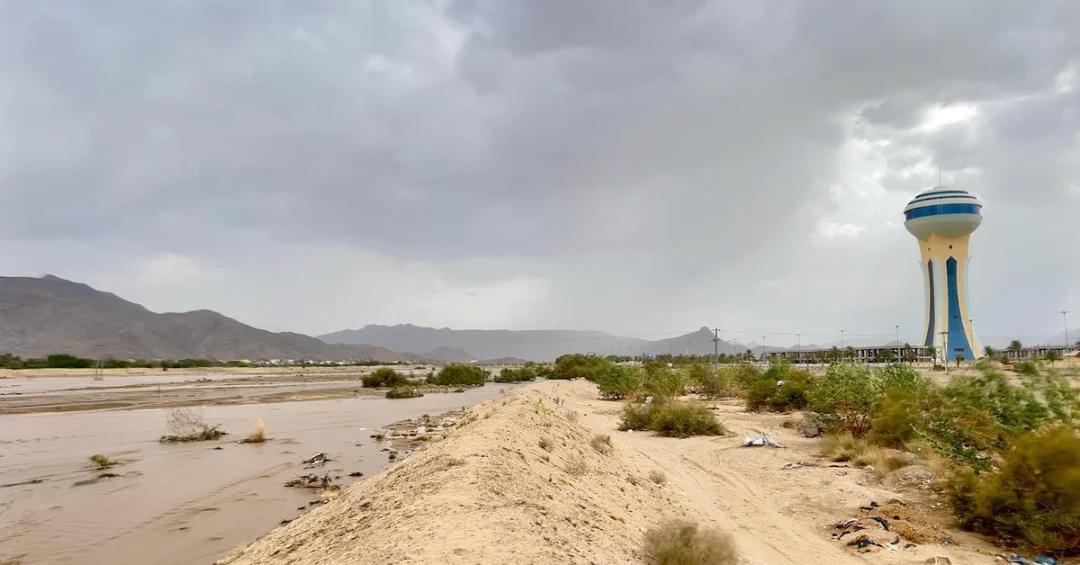
Torrential rains in the Najran region have caused sustained flooding in Wadi Najran, with floodwaters originating from the Najran Dam and surrounding valleys continuing to flow through the wadi for several days, according to the Saudi Press Agency (SPA). The event has transformed the landscape into a breathtaking scene, drawing visitors to enjoy the rare sight of water flowing through one of the Kingdom’s largest valleys, as reported on August 23, 2024.
Context and Background
Wadi Najran is one of the largest valleys in Saudi Arabia, extending approximately 180 kilometers eastward from the mountains west of Najran city to the sands of the Empty Quarter. Its average width in the plains is about 1,000 meters, and it receives tributaries from the Hijaz Mountains and surrounding plateaus. This geographical feature makes it a vital natural resource for the region, supporting agriculture and local ecosystems.
The recent rains, which began in late August 2024, have led to significant water flow through the wadi, a phenomenon that occurs periodically and is eagerly anticipated by residents and visitors alike.
Key Details
According to the Saudi Press Agency, the floodwaters have been flowing for several days, creating a stunning contrast as they pass through palm plantations and historic mud houses. This natural event not only enhances the area’s beauty but also provides a boost to local tourism, as families and friends gather to witness the spectacle and capture photographs.
The Najran Dam plays a crucial role in managing water flow, and its overflow is a testament to the region’s water management infrastructure. The event highlights the importance of dams in controlling floods and supporting agriculture in arid regions.
Implications and Impact
The overflow of Wadi Najran has significant implications for the local community and the region. It replenishes groundwater reserves, supports agricultural activities, and creates a temporary oasis that attracts tourists. This aligns with Saudi Arabia’s Vision 2030 goals of promoting tourism and enhancing quality of life for citizens and residents.
Furthermore, the event showcases the Kingdom’s natural beauty and cultural heritage, offering opportunities for domestic and international visitors to explore the region’s historic sites and landscapes.
Vision 2030 Alignment
This natural phenomenon underscores the Kingdom’s commitment to preserving its environment and promoting sustainable development. As part of Vision 2030, Saudi Arabia aims to diversify its economy and boost tourism, and events like the Wadi Najran overflow contribute to these objectives by highlighting the country’s unique natural attractions. The government’s efforts to manage water resources and develop infrastructure ensure that such events are both celebrated and safely managed, reinforcing the Kingdom’s dedication to progress and prosperity.
20 Questions
Q1. What caused the flooding in Wadi Najran?
A1. Torrential rains in the Najran region led to sustained flooding, with waters originating from the Najran Dam and surrounding valleys and reefs, as reported by the Saudi Press Agency on August 23, 2024.
Q2. How long has the water been flowing through Wadi Najran?
A2. The floodwaters have continued to flow through the wadi for several days, according to the Saudi Press Agency, creating a sustained and impressive natural display for visitors and residents.
Q3. What is the length of Wadi Najran?
A3. Wadi Najran extends for 180 kilometers to the east, starting between the mountains in the far west of the city and ending in the sands of the Empty Quarter, making it one of the largest valleys in Saudi Arabia.
Q4. What is the average width of Wadi Najran in the plains?
A4. The average width of Wadi Najran in the plains is 1,000 meters, providing a wide expanse for the floodwaters to flow through and creating a spectacular view for onlookers.
Q5. Where do the tributaries of Wadi Najran come from?
A5. The tributaries of Wadi Najran come from the Hijaz Mountains and the plateaus surrounding the region, contributing to the volume of water that flows through the valley during heavy rains.
Q6. What landscapes does the flowing water create in Wadi Najran?
A6. The flow of torrential rains through palm plantations and historic mud houses provides breathtaking landscapes that attract visitors to spend enjoyable times with family and friends and take pictures of the place.
Q7. How does the flooding benefit the local community?
A7. The flooding replenishes groundwater reserves, supports agricultural activities, and creates a temporary oasis that boosts local tourism, aligning with Saudi Arabia’s Vision 2030 goals of enhancing quality of life.
Q8. What role does the Najran Dam play in this event?
A8. The Najran Dam manages water flow and its overflow is a testament to the region’s water management infrastructure, highlighting the importance of dams in controlling floods and supporting agriculture in arid regions.
Q9. Is the flooding in Wadi Najran a common occurrence?
A9. Yes, such flooding occurs periodically when heavy rains hit the region, and it is eagerly anticipated by residents and visitors as a natural spectacle that transforms the landscape.
Q10. How does this event align with Vision 2030?
A10. The event aligns with Vision 2030 by promoting tourism and showcasing Saudi Arabia’s natural beauty, contributing to economic diversification and the Kingdom’s global standing as a tourist destination.
Q11. What safety measures are in place during the flooding?
A11. While specific measures are not detailed, Saudi authorities typically monitor water levels and issue advisories to ensure public safety, reflecting the Kingdom’s commitment to protecting citizens and visitors.
Q12. Can tourists visit Wadi Najran during the flooding?
A12. Yes, visitors are drawn to the area to witness the spectacular sight, but they are advised to follow safety guidelines and avoid dangerous areas near the fast-flowing water.
Q13. What historical significance does Wadi Najran hold?
A13. Wadi Najran is home to historic mud houses and palm plantations, reflecting the region’s rich cultural heritage and its historical importance as a settlement and agricultural hub in southern Saudi Arabia.
Q14. How does the flooding affect agriculture in the region?
A14. The floodwaters provide essential irrigation for palm plantations and other crops, replenishing groundwater and supporting the agricultural activities that are vital to the local economy and food security.
Q15. What is the source of the information about the flooding?
A15. The information comes from the Saudi Press Agency (SPA), the official news agency of Saudi Arabia, which reported on the event on August 23, 2024, ensuring reliable and accurate coverage.
Q16. How does the flooding impact the local ecosystem?
A16. The flooding supports the ecosystem by replenishing water sources, sustaining plant and animal life, and maintaining the biodiversity of the valley, which is an important natural habitat in the region.
Q17. What economic opportunities does the flooding create?
A17. The flooding boosts local tourism, as visitors flock to see the rare sight, benefiting businesses such as hotels, restaurants, and tour operators, and contributing to the region’s economic development.
Q18. How does Saudi Arabia manage water resources in arid regions?
A18. Saudi Arabia manages water resources through infrastructure like dams, water treatment plants, and irrigation systems, ensuring sustainable use and conservation, as part of its Vision 2030 environmental goals.
Q19. What makes Wadi Najran a unique destination?
A19. Wadi Najran offers a unique blend of natural beauty, historical sites, and cultural heritage, with its flowing waters creating a mesmerizing landscape that is unlike any other in the Kingdom.
Q20. How can visitors make the most of their trip to Wadi Najran?
A20. Visitors can enjoy picnics, photography, and exploring the historic mud houses and palm plantations, while respecting the environment and following any local guidelines to ensure a safe and memorable experience.
Reader Feedback
We value your thoughts. Please share your feedback on this article.
Your feedback helps us improve our coverage.
Related articles
 Breathtaking Images Reveal the Beauty and Diversity of Nature in Tabuk
 Fayfa Mountains: A Rainy Season Haven for Hikers
 Al-Baha Region Turns Lush Green After Heavy Rains
 AlUla: A Global Tourist Destination Due to Rich Cultural Heritage
 Jeddah Season 2024 Draws 1.7 Million Visitors, Boosts Tourism
 Rijal Almaa: A Gem of Heritage and Scenic Beauty