


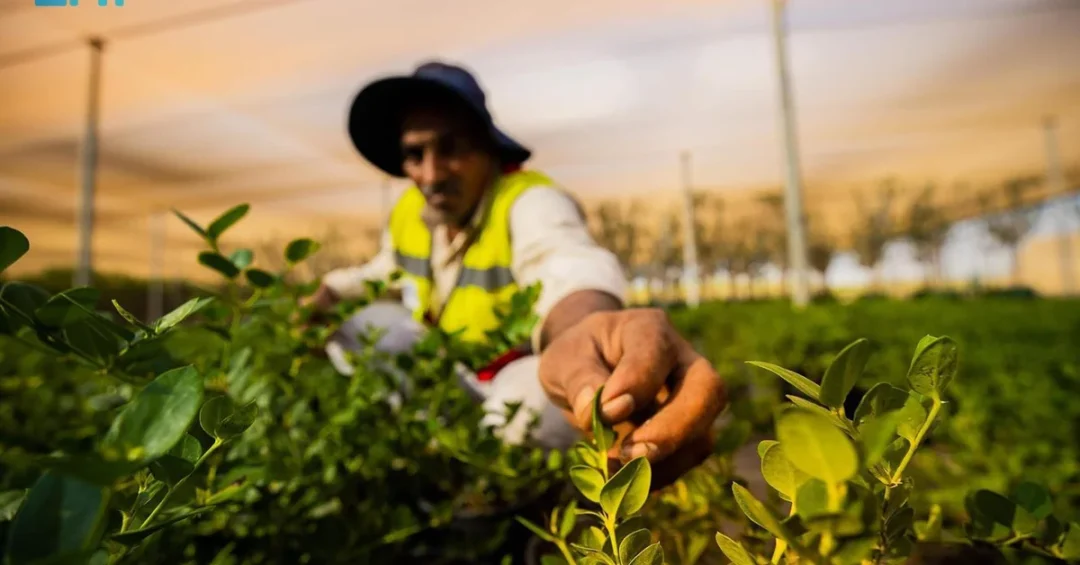
Red Sea Global (RSG), the developer behind one of the world’s most ambitious regenerative tourism projects, has released its fourth annual sustainability report, detailing significant progress toward its environmental, social, and governance (ESG) goals. Issued via the Saudi Press Agency, the report confirms that RSG is steadily advancing toward its primary objective of achieving a 30 percent net positive environmental impact by 2040.
Context and Background
The annual sustainability report, now in its fourth edition, underscores RSG’s dedication to transparency and accountability while setting new benchmarks for responsible development globally. As the developer of flagship destinations such as The Red Sea and AMAALA, RSG is positioning Saudi Arabia as a leader in regenerative tourism—a model that aims not only to minimize harm but to actively restore and enhance the natural environment.
The report highlights RSG’s comprehensive approach to tracking ESG performance across its operations. It reflects the company’s commitment to aligning with international best practices and contributing to the Kingdom’s broader sustainability ambitions under Vision 2030.
Key Details
According to the report, RSG has made substantial strides in several areas. The initial phase of The Red Sea destination is now powered entirely by 100 percent renewable energy, supported by the installation of 150 electric charging stations for a sustainable transportation fleet. These initiatives are integral to RSG’s strategy to reduce carbon emissions and promote clean energy solutions.
Environmental achievements include the planting of over 5 million plants at the Red Sea Landscape Nursery, the sowing of 600,000 mangrove seedlings across four locations, and the launch of a volunteer program that has engaged more than 200 participants in mangrove planting and beach cleaning activities. RSG also prevented 46,350 tons of carbon dioxide emissions through targeted reduction initiatives and has committed to protecting and restoring coral reefs in collaboration with leading marine scientists.
On the social front, RSG launched the “Jewar” application to foster community engagement, share news and opportunities, and gather feedback from local residents. The company recruited over 3,300 new employees, graduated more than 50 outstanding students, and provided nearly 74,000 training hours, demonstrating its investment in human capital and community development.
Operationally, The Red Sea destination welcomed its first guests, with three hotels now open. Red Sea International Airport began regular domestic flights in September 2023 and introduced international flights in April 2024, including a weekly service between The Red Sea and Dubai International Airport. The Thuwal Private Retreat is set to open in the coming weeks, while preparations are underway to welcome the first guests to AMAALA in 2025, coinciding with the completion of the first phase of Triple Bay, which includes eight resorts, Corallium, and the iconic Yacht Club.
Implications and Impact
RSG’s progress carries significant implications for the global tourism industry. By demonstrating that large-scale tourism development can be both economically viable and environmentally regenerative, RSG is setting a new standard for destinations worldwide. The report’s findings are expected to inspire other developers to adopt similar principles, particularly as demand for sustainable travel continues to rise.
For Saudi Arabia, these achievements reinforce the Kingdom’s position as a pioneer in sustainable development and enhance its attractiveness as a destination for environmentally conscious travelers. The successful integration of renewable energy, community engagement, and biodiversity protection at The Red Sea and AMAALA showcases the potential of Vision 2030 to drive innovation and economic diversification.
Vision 2030 Alignment
Red Sea Global’s sustainability report exemplifies the objectives of Saudi Vision 2030, which seeks to diversify the economy, promote environmental sustainability, and improve quality of life. By prioritizing regenerative tourism, RSG is contributing to the Kingdom’s goals of increasing tourism’s share of GDP, creating jobs, and preserving natural heritage for future generations. As RSG continues to develop its destinations, its efforts will play a vital role in establishing Saudi Arabia as a global leader in responsible tourism and environmental stewardship.
20 Questions
Q1. What is the primary goal of Red Sea Global’s sustainability report?
A1. The primary goal is to outline RSG’s commitments and progress toward achieving its environmental, social, and governance (ESG) goals, including a 30 percent net positive environmental impact by 2040.
Q2. How many annual sustainability reports has RSG released?
A2. RSG has released four annual sustainability reports, with the latest covering the year 2023.
Q3. What is RSG’s target for net positive environmental impact?
A3. RSG aims to achieve a 30 percent net positive environmental impact by 2040 in the areas surrounding its tourism destinations.
Q4. Who is the Group Chief Executive of RSG?
A4. John Pagano serves as the Group Chief Executive of Red Sea Global.
Q5. What renewable energy milestone was achieved at The Red Sea destination?
A5. The initial phase of The Red Sea destination is powered entirely by 100 percent renewable energy.
Q6. How many electric charging stations has RSG established?
A6. RSG has established 150 electric charging stations to support its sustainable transportation fleet.
Q7. How many plants have been planted at the Red Sea Landscape Nursery?
A7. Over 5 million plants have been planted at the Red Sea Landscape Nursery.
Q8. How many mangrove seedlings has RSG sown?
A8. RSG has sown 600,000 mangrove seedlings across four different locations.
Q9. How many volunteers participated in RSG’s environmental programs?
A9. More than 200 volunteers have participated in mangrove planting and beach cleaning activities.
Q10. How much CO2 emissions did RSG prevent?
A10. RSG prevented 46,350 tons of carbon dioxide emissions through its carbon reduction initiatives.
Q11. What is the “Jewar” application used for?
A11. The “Jewar” application engages with the local community, shares news and opportunities, and gathers feedback.
Q12. How many new employees did RSG recruit?
A12. RSG recruited over 3,300 new employees in 2023.
Q13. How many students graduated from RSG’s programs?
A13. More than 50 outstanding students graduated from RSG’s educational initiatives.
Q14. How many training hours were provided by RSG?
A14. RSG provided nearly 74,000 training hours to its employees and community members.
Q15. When did The Red Sea destination welcome its first guests?
A15. The Red Sea destination welcomed its first guests in 2023, with three hotels opening.
Q16. When did Red Sea International Airport begin domestic flights?
A16. Red Sea International Airport commenced regular domestic flights in September 2023.
Q17. What international flight route was introduced in April 2024?
A17. A weekly service between The Red Sea and Dubai International Airport was introduced in April 2024.
Q18. What is the Thuwal Private Retreat?
A18. The Thuwal Private Retreat is a new luxury destination located to the south, set to open in the coming weeks.
Q19. When is AMAALA expected to welcome its first guests?
A19. AMAALA is expected to welcome its first guests in 2025, coinciding with the completion of the first phase of Triple Bay.
Q20. What does Triple Bay include?
A20. Triple Bay includes eight resorts, Corallium, and the iconic Yacht Club, forming the first phase of the AMAALA destination.
Reader Feedback
We value your thoughts. Please share your feedback on this article.
Your feedback helps us improve our coverage.
Related articles
 Hail Parks Attract Over 550,000 Visitors with Summer Festivals
 Wadi Najran Overflows with Rainwater After Torrential Rains
 Breathtaking Images Reveal the Beauty and Diversity of Nature in Tabuk
 Fayfa Mountains: A Rainy Season Haven for Hikers
 Al-Baha Region Turns Lush Green After Heavy Rains
 AlUla: A Global Tourist Destination Due to Rich Cultural Heritage